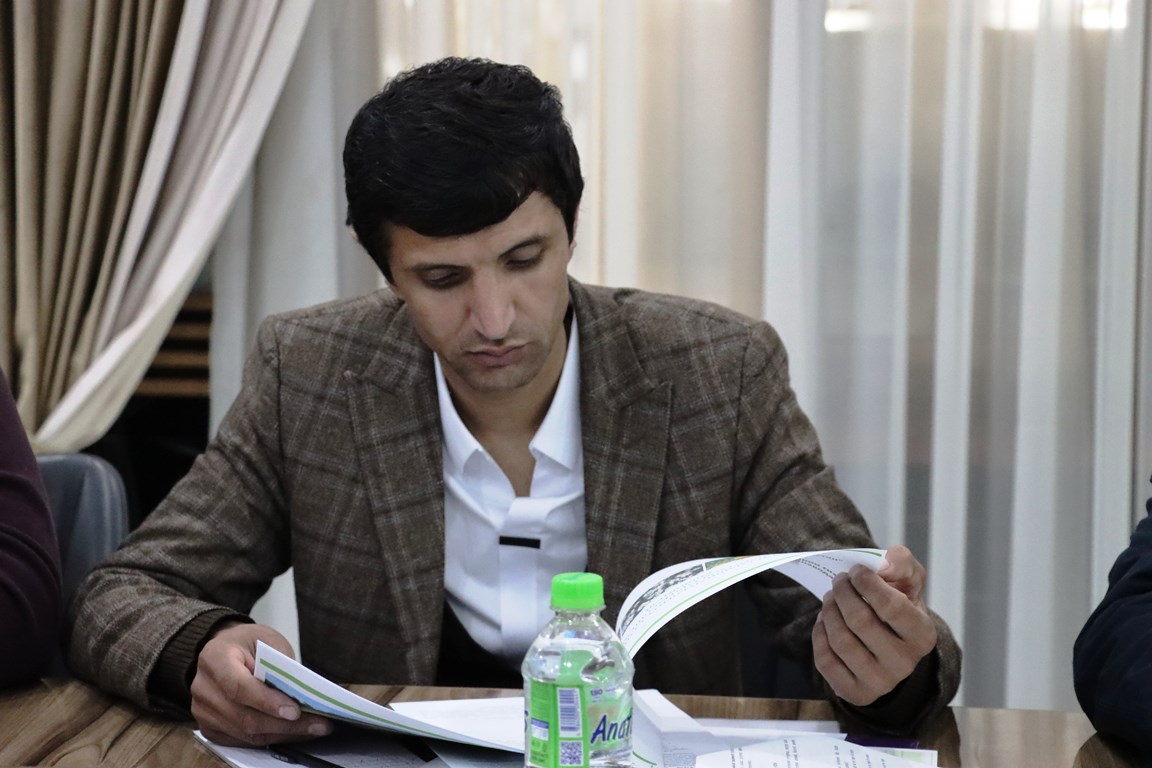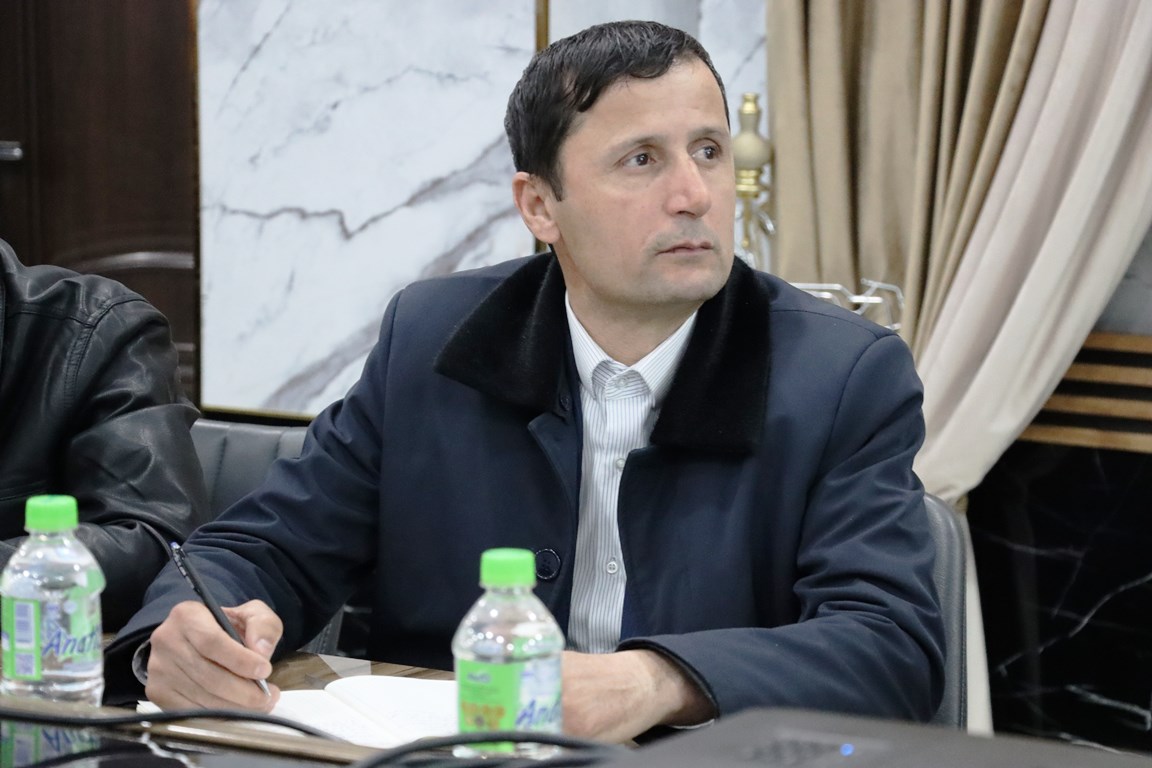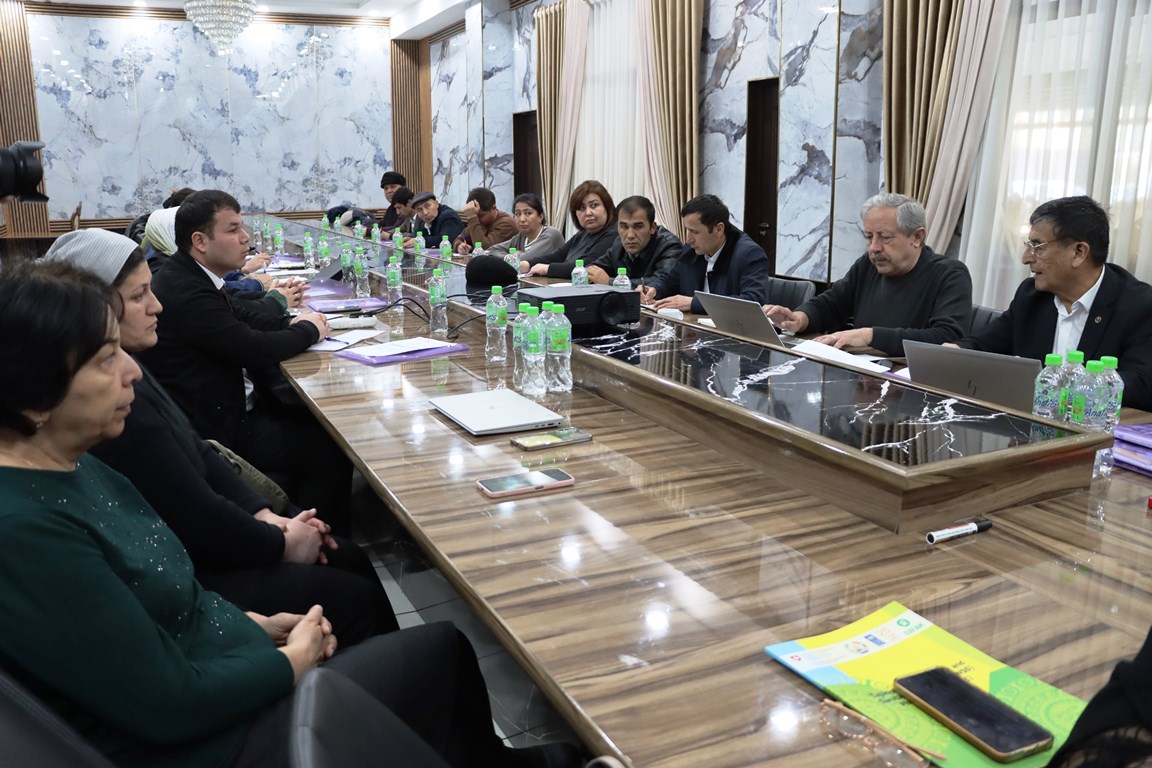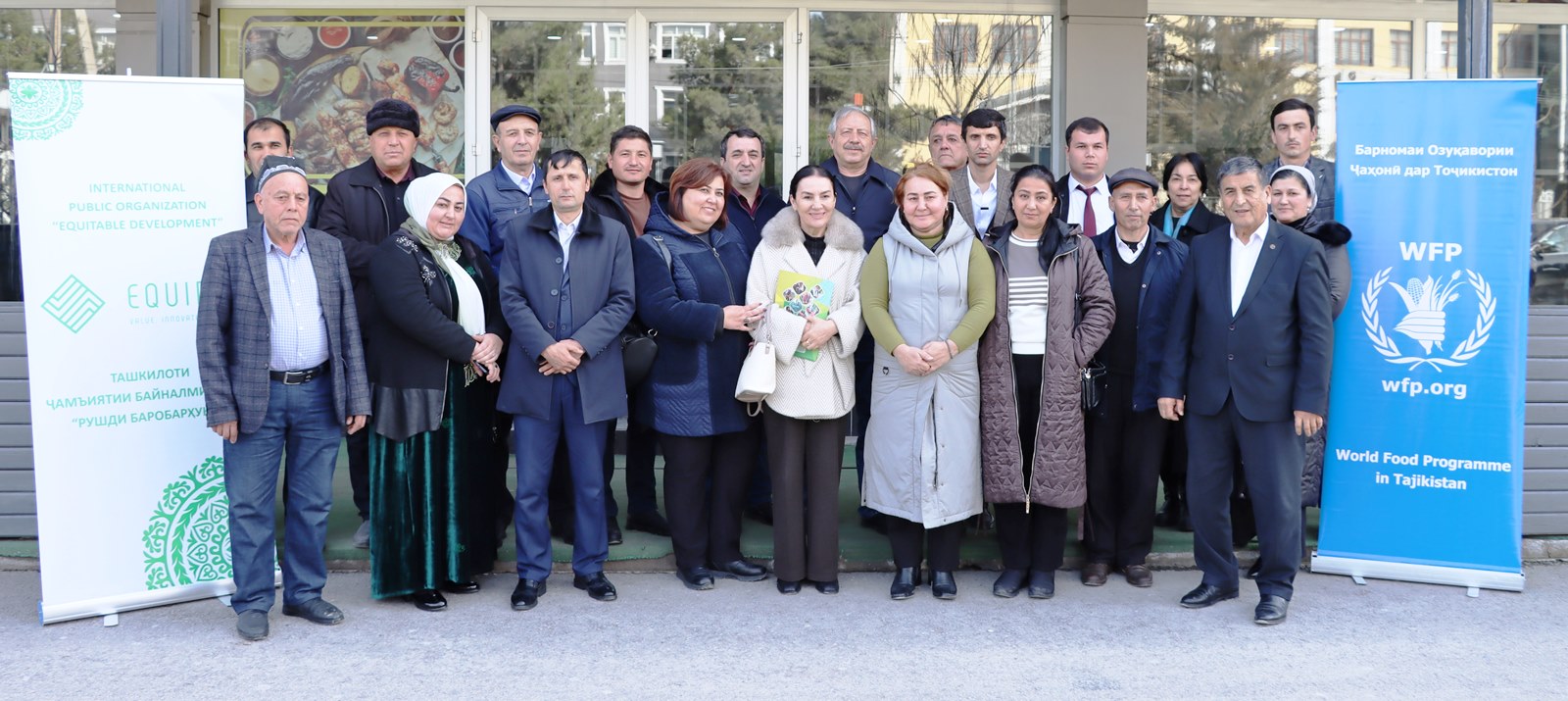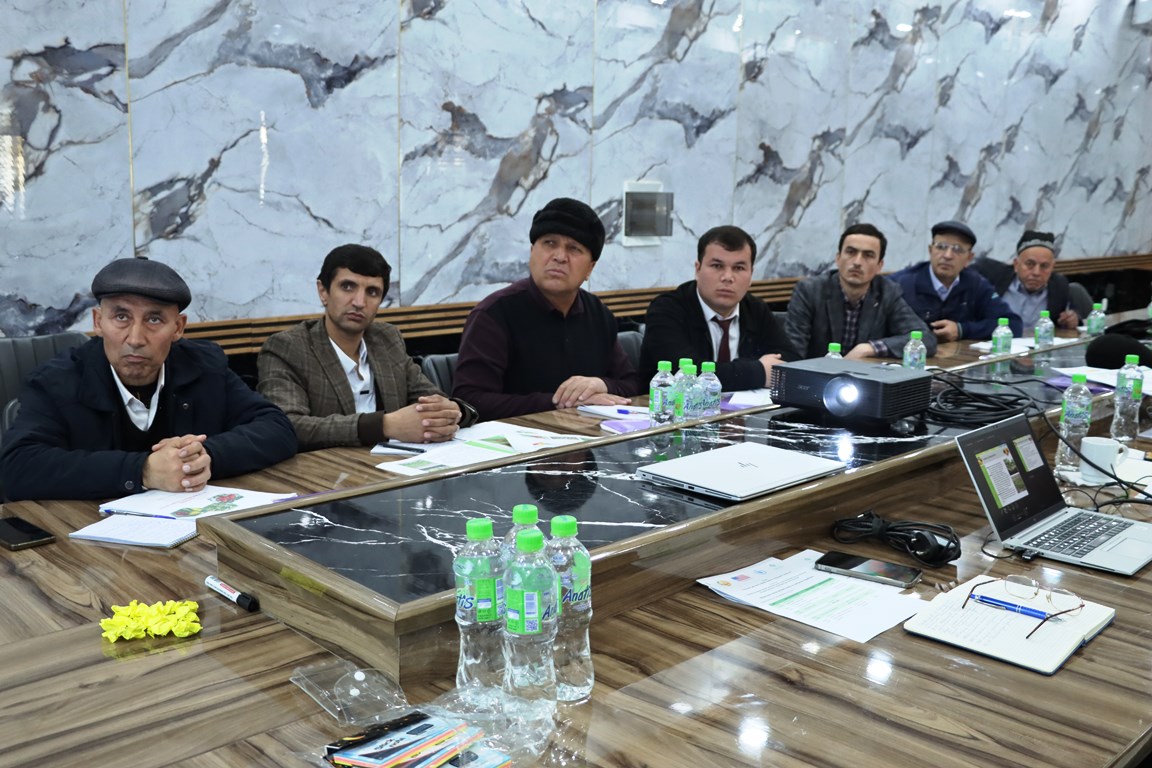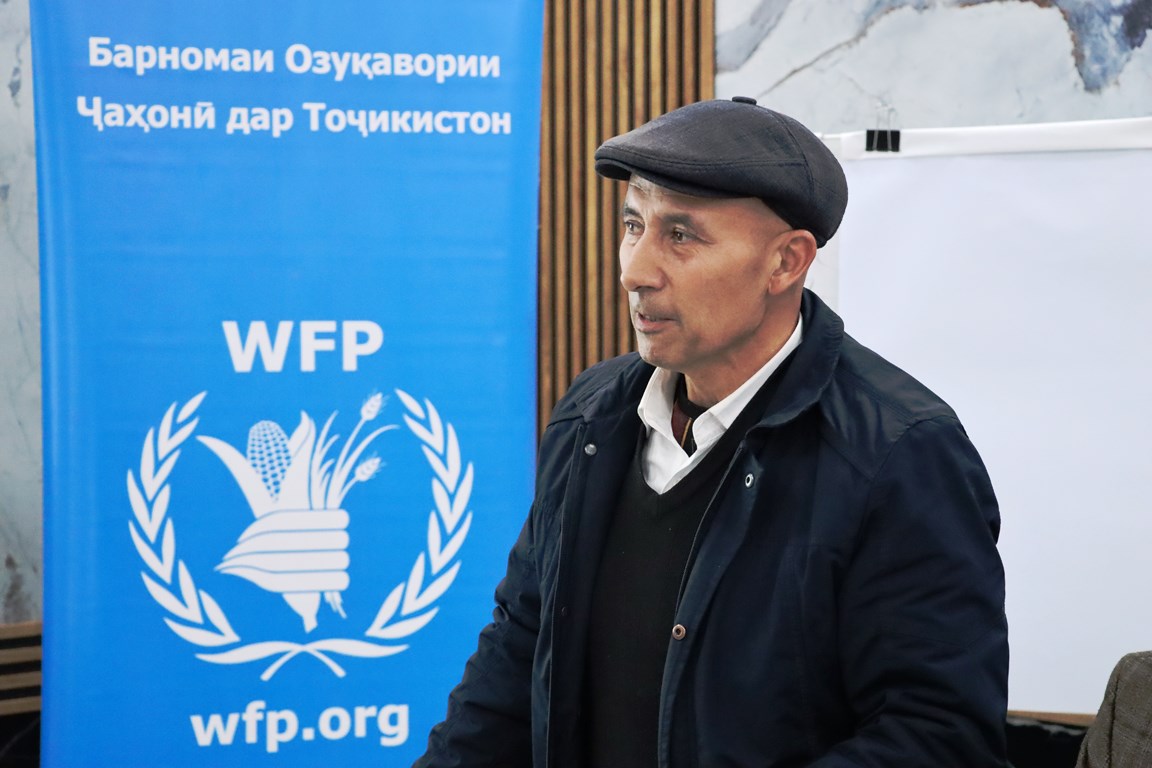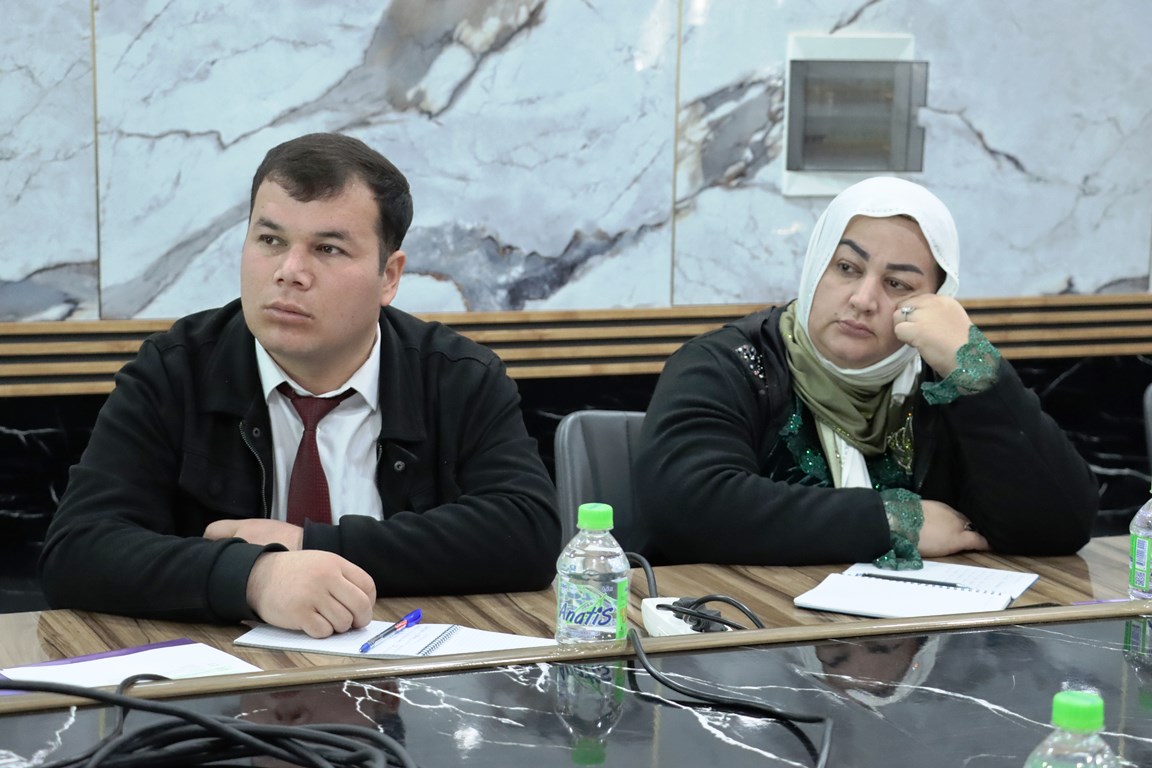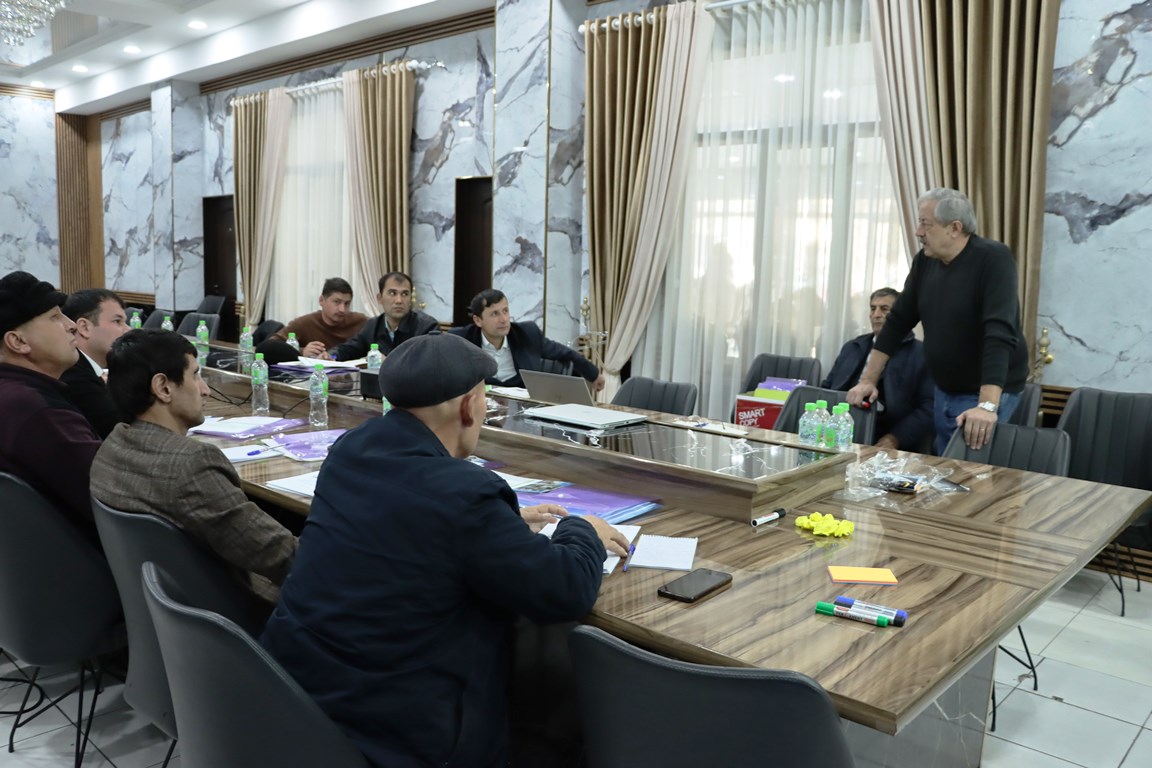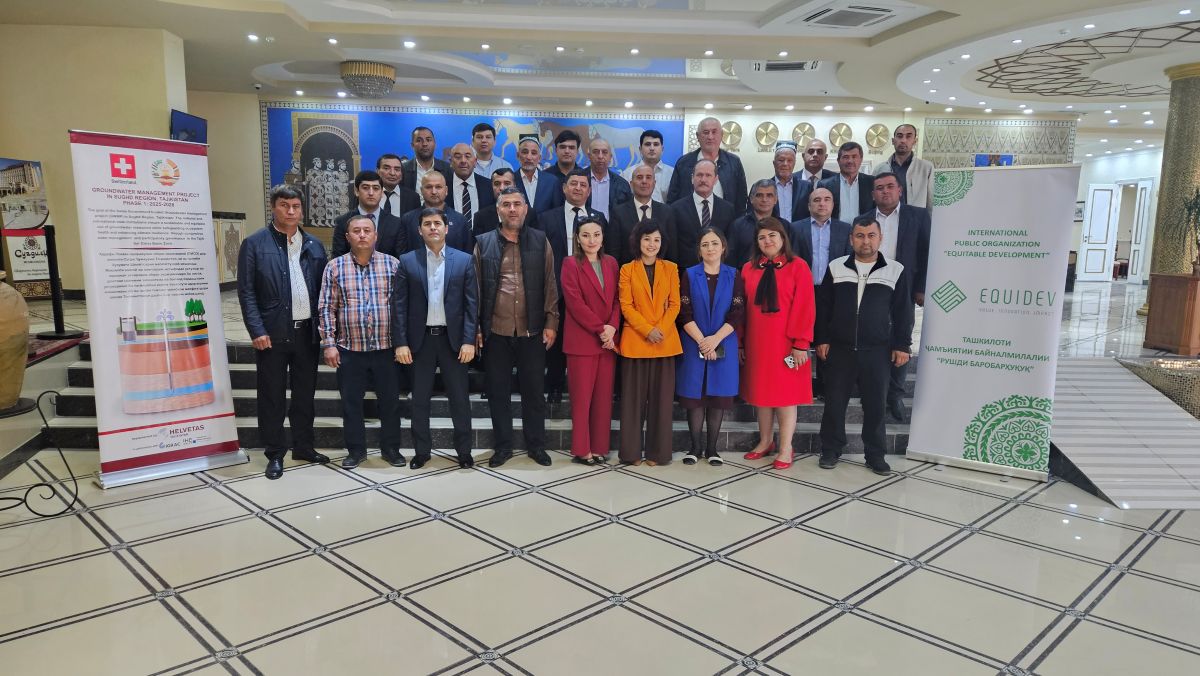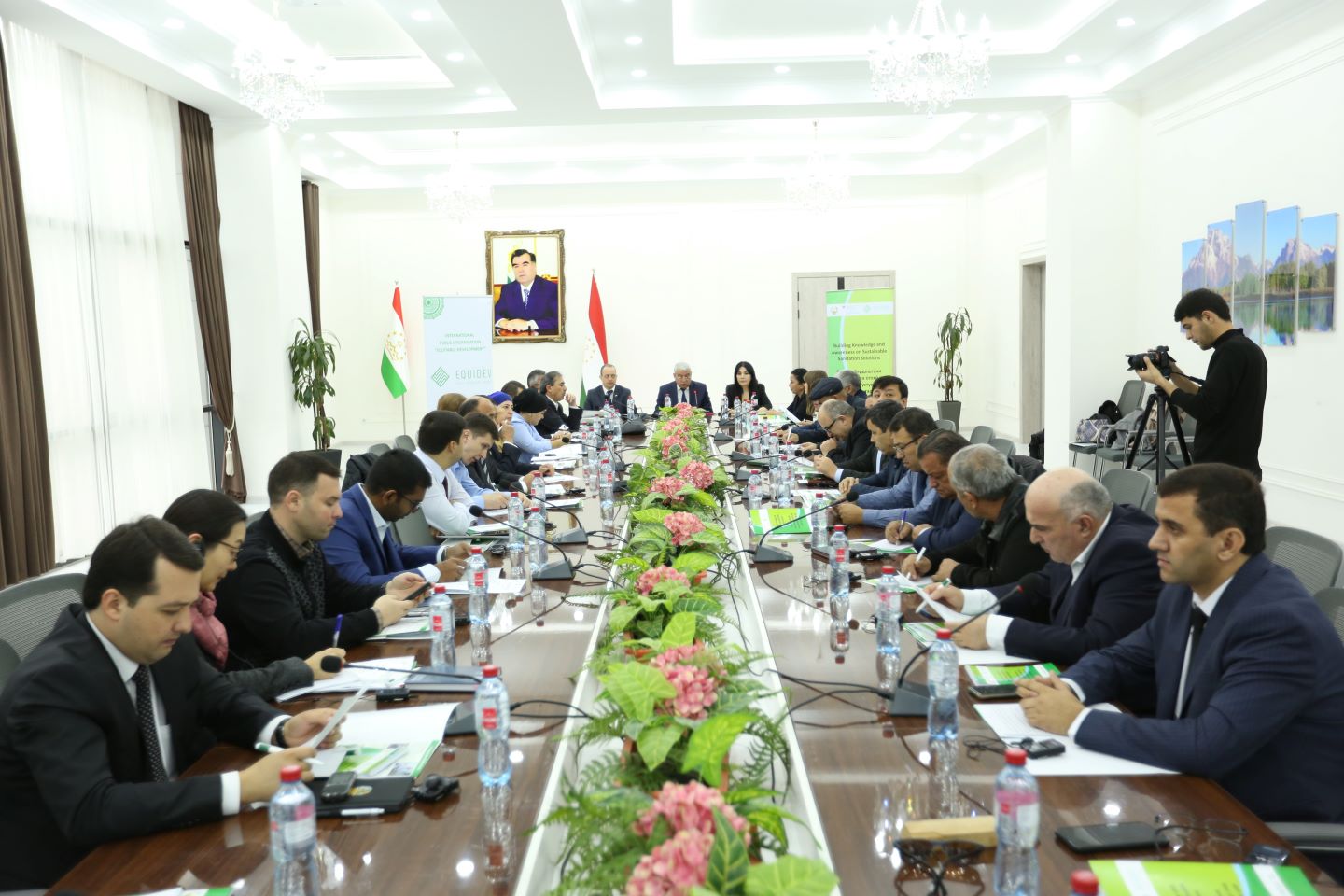
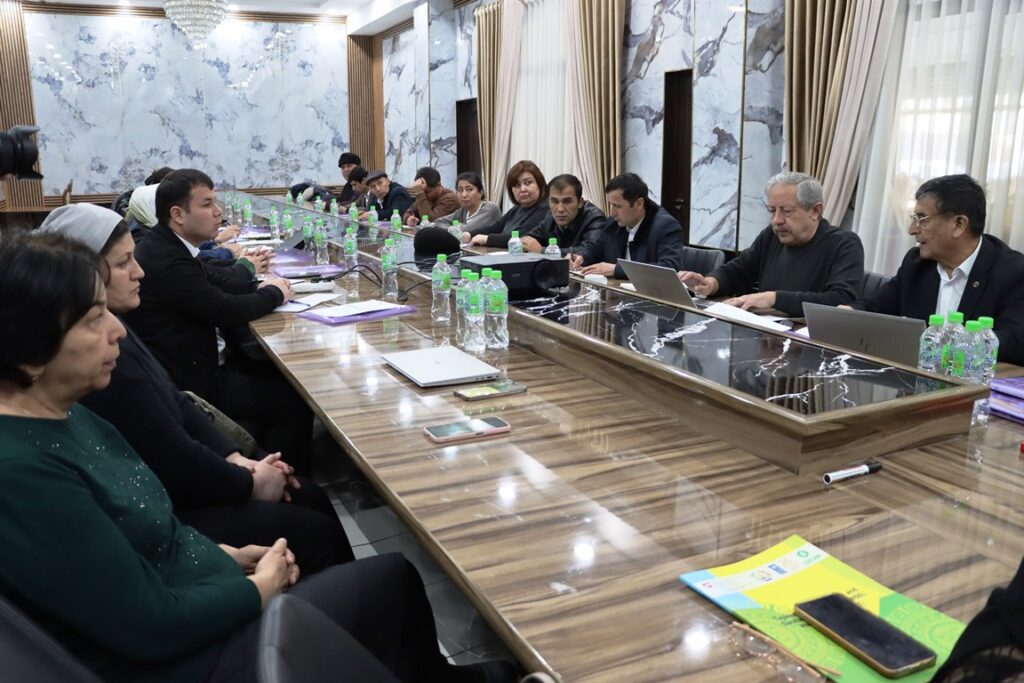
Local agricultural leaders, technical specialists, and community trainers gathered in Bokhtar on 4 February 2026 to launch a new initiative aimed at strengthening food security, improving nutrition, and expanding income opportunities for vulnerable rural women in Khatlon province.
This initiative is part of the World Food Programme’s Tajikistan Food Security Safety Net Activity, which is funded by the U.S. Government and aims to address immediate food needs while enhancing resilience in at-risk communities. The programme integrates unconditional food assistance, cash-for-assets projects, and ongoing food security and market monitoring to support households in establishing a more secure future. Within this framework, Equidev is leading the sub-project “Community-Based Capacity Strengthening for Women on Food Safety and Sustainable Household Production,” which focuses on equipping women farmers with practical skills, tools, and support to improve safe food production, preservation, and climate-smart household agriculture.
The kick-off event brought together agricultural officials from the four target districts — Khuroson, Vakhsh, Vose, and Panj — alongside certified local trainers and agronomists, who will lead implementation at the community level.
Participants were introduced to the project’s objectives that will support at least 600 women farmers through hands-on learning, peer groups, and household demonstrations. Over the coming months, selected women will receive seed kits, small agricultural toolkits, food-safe processing materials, and technical support to establish kitchen gardens and simple greenhouses, enabling year-round production and safer food preservation.
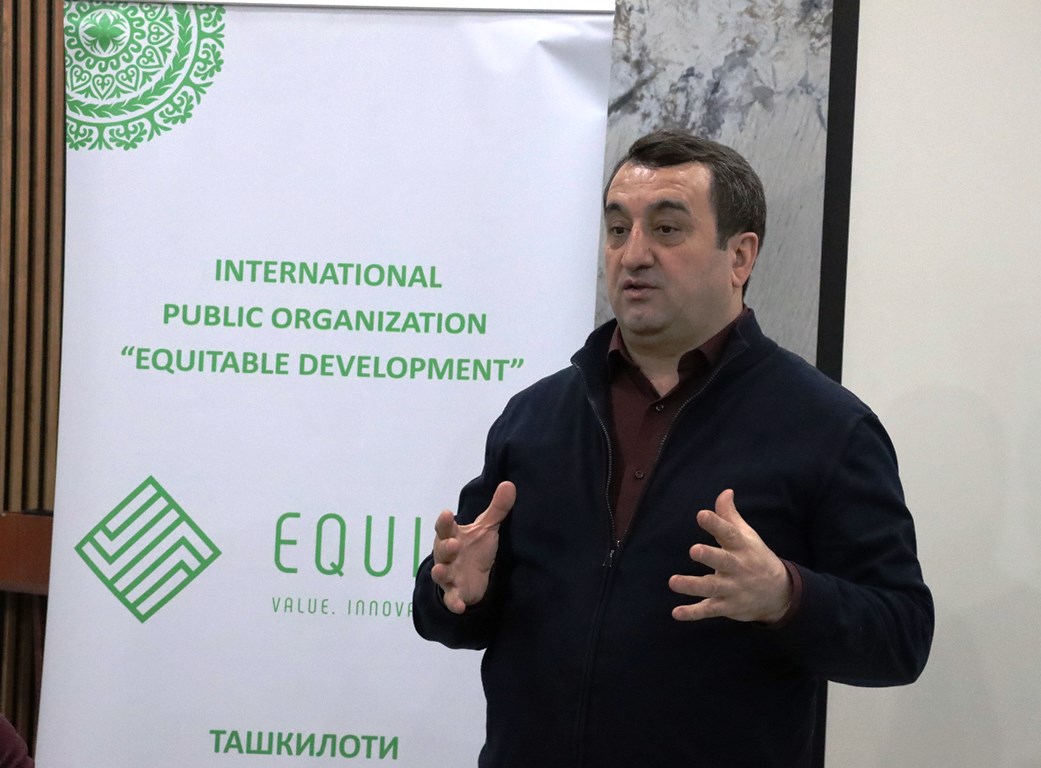
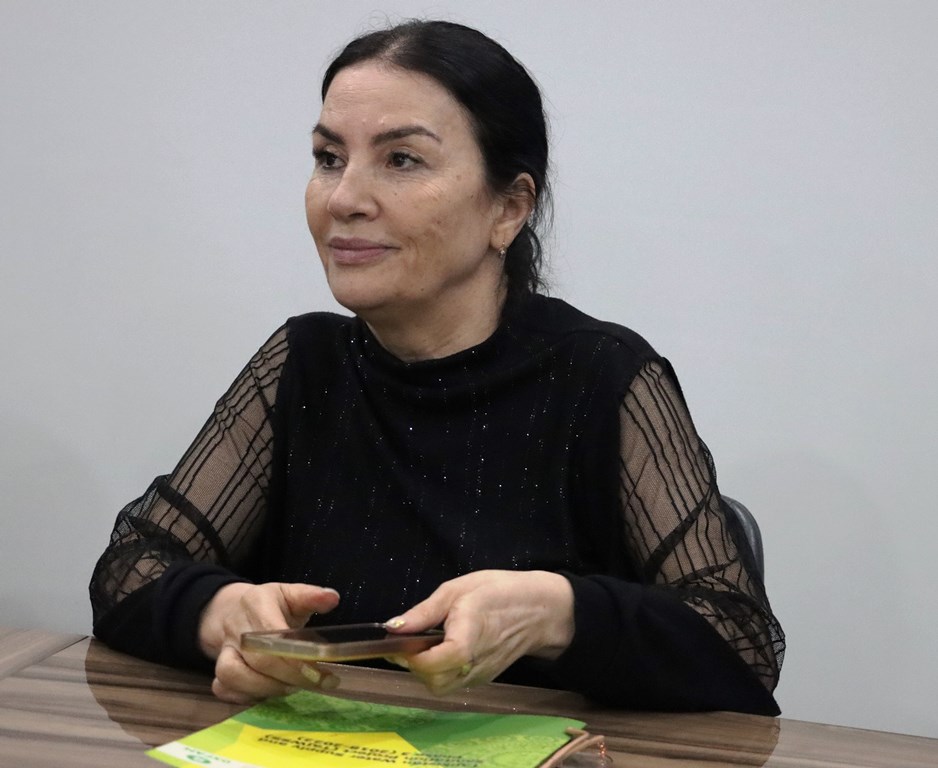
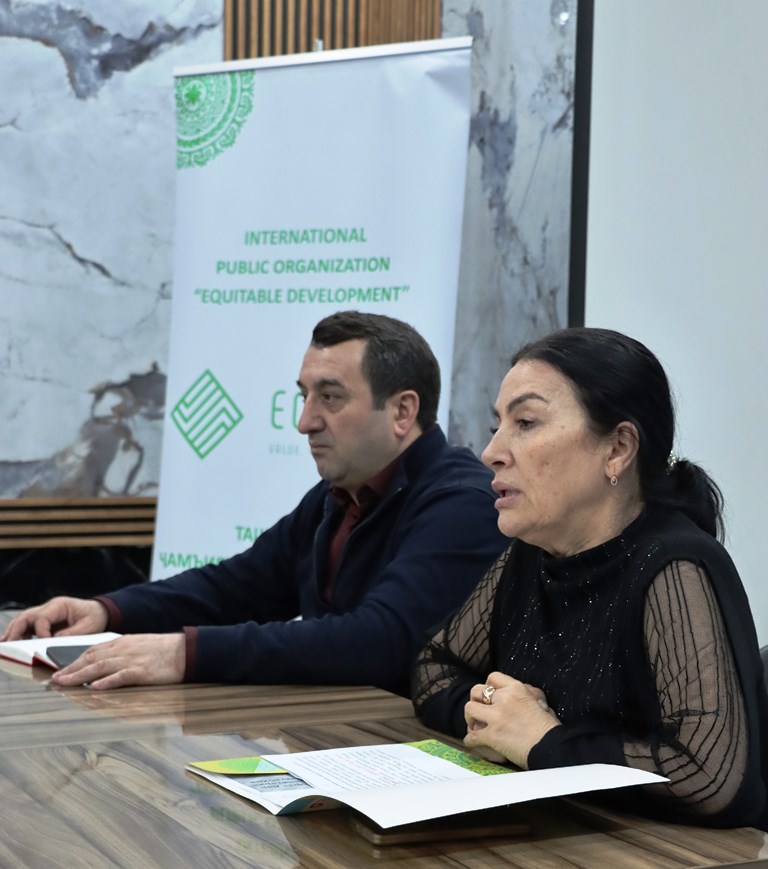
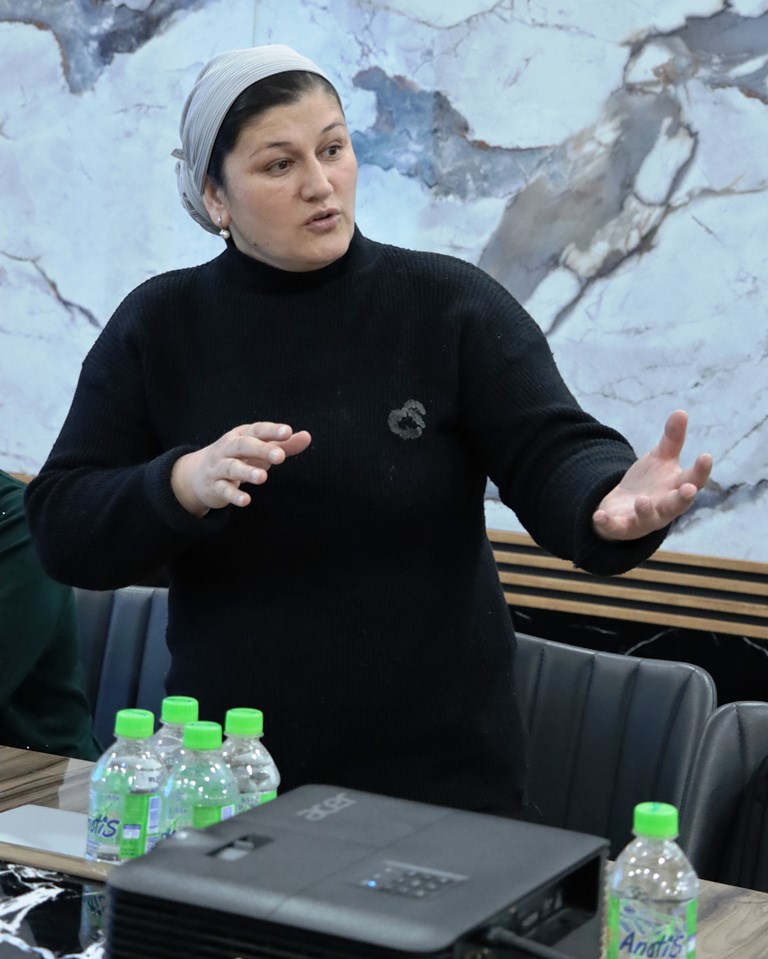
Opening the event, the Chief Executive Officer of Equidev Gulchehra Boboeva emphasized the importance of practical results that families can feel in their daily lives.
We want women to leave each training and go straight home and try something new the next day — plant earlier, preserve food more safely, earn a little more at the market,” Ms. Boboeva said. “If a mother can look at her garden and know it will feed her family through the winter with safe and nutritious food, improving her family’s nutritional status, that’s the kind of change that really matters.”
In Khatlon, Tajikistan’s most productive agricultural region, women already shoulder much of the responsibility for household food systems, particularly as high levels of male migration leave them managing gardens, small livestock, and food processing.
The project aims to build on these existing practices, introducing safer and more efficient methods that reduce food loss and increase earnings.
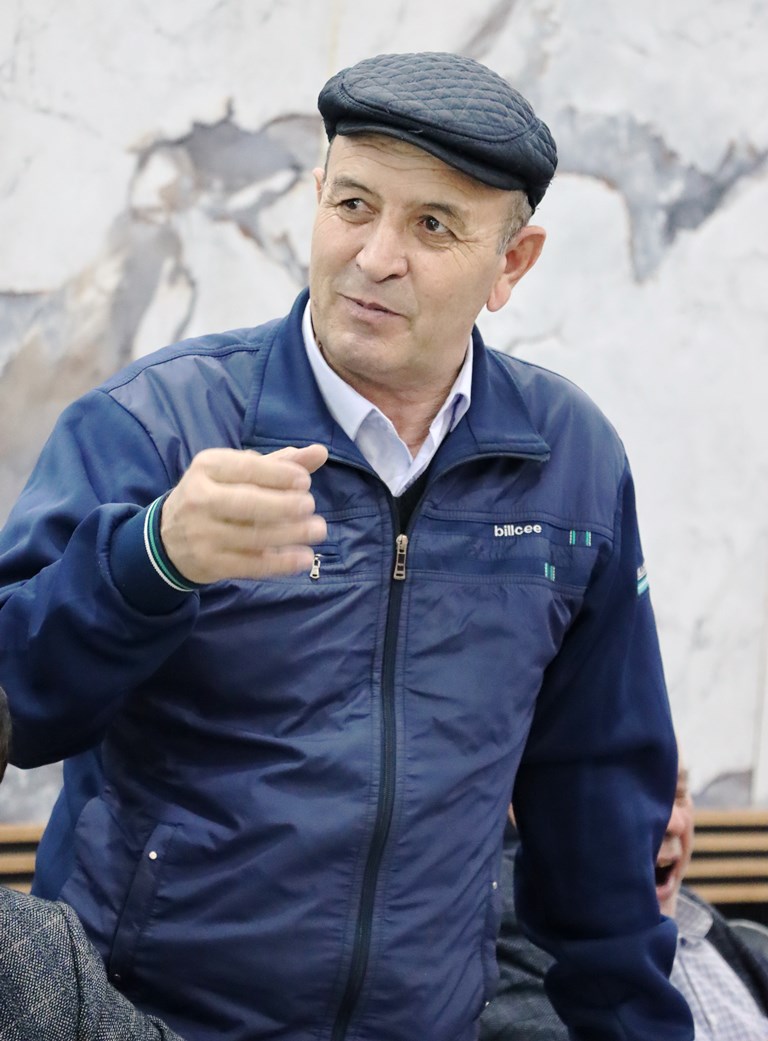
Nurali Rajabov, Head of the Vakhsh District Agricultural Department, welcomed the initiative, emphasizing its practical value for rural families.
“Our women are already working hard in the fields and at home,” he said. “What they need is knowledge, tools, and consistent support. This project gives them exact skills they can use immediately to improve both their nutrition and their income.”
The project will promote climate-smart cultivation, safe canning and drying techniques, improved hygiene practices, and basic business skills such as record-keeping and small-scale enterprise planning.
By combining technical training with accessible tools and follow-up support from agronomists, organizers expect to see higher yields in kitchen gardens, reduced post-harvest losses, more diverse diets, and stronger household resilience to seasonal and economic shocks.