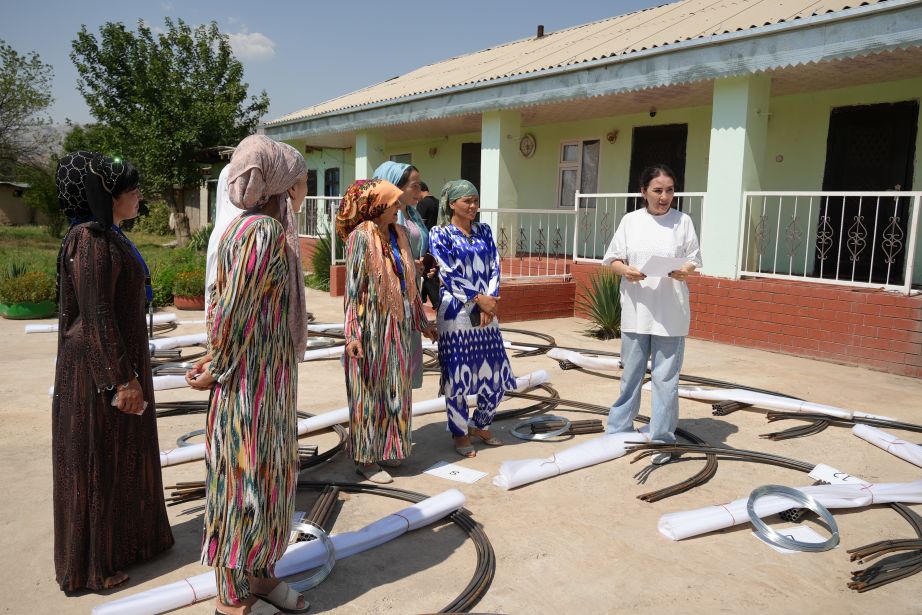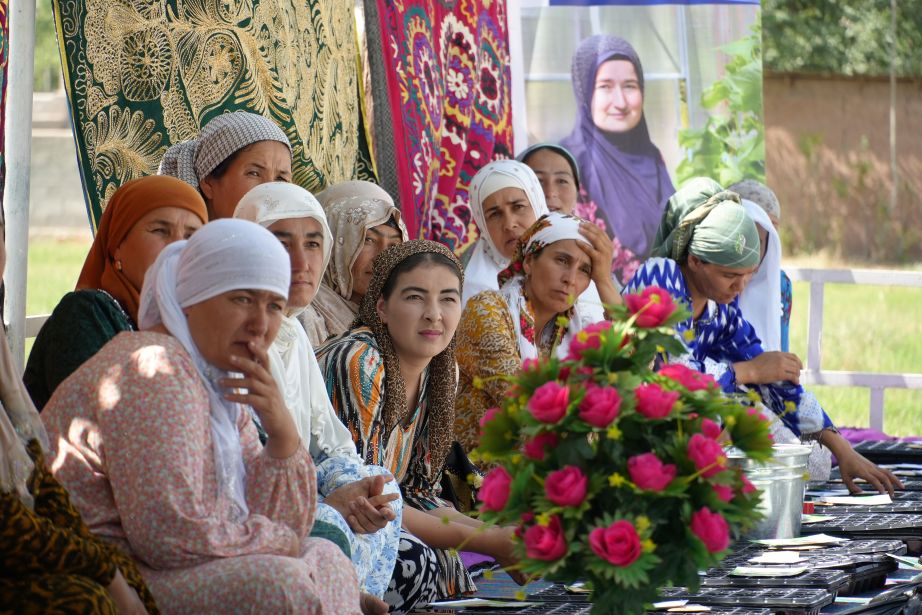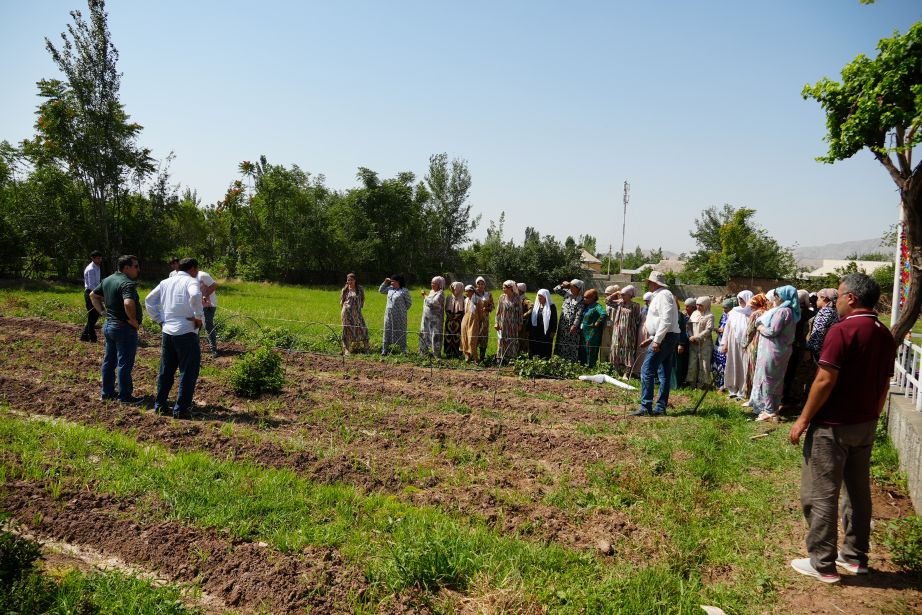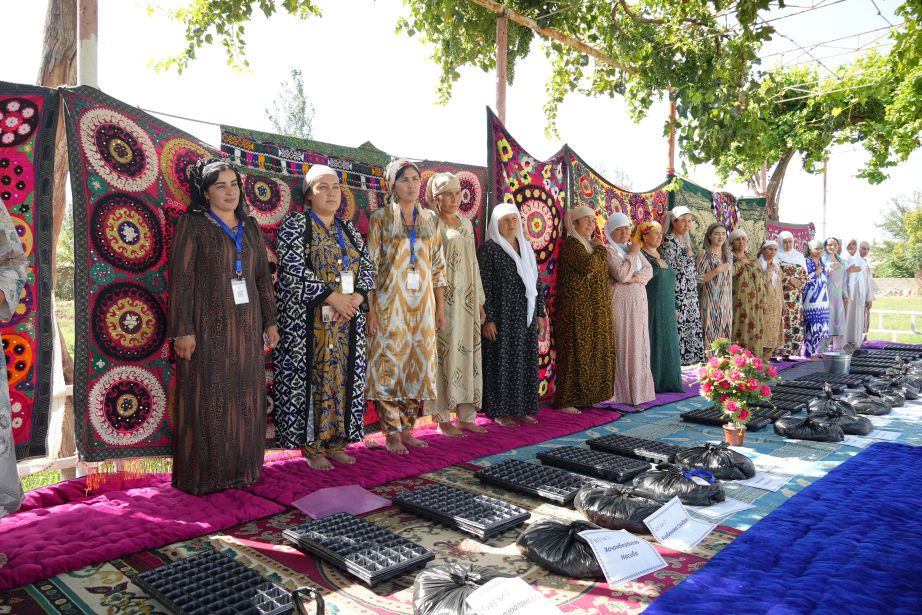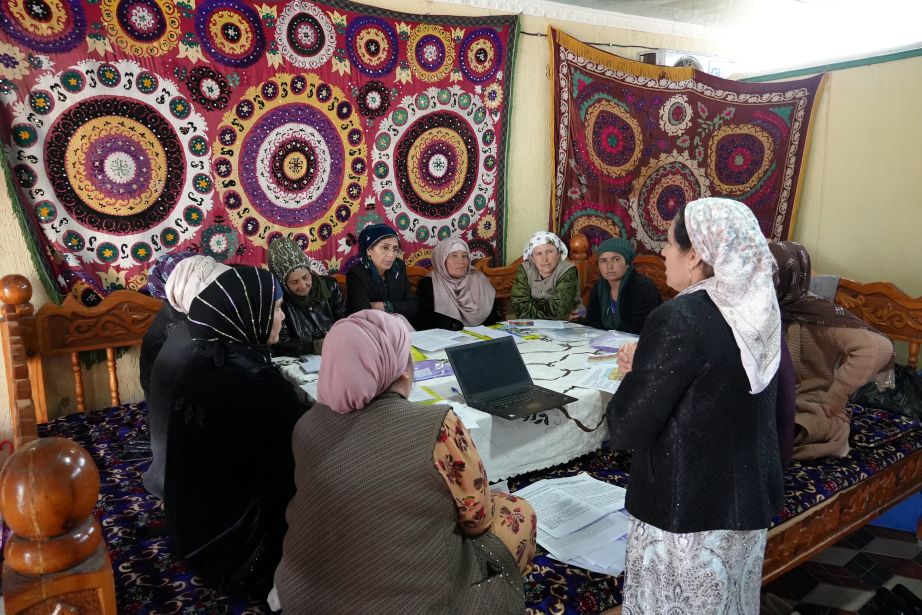
Long before the first packages were opened, women had already formed circles and lines in the yard, comparing planting plans and discussing where the new greenhouse frames would stand once they returned home.
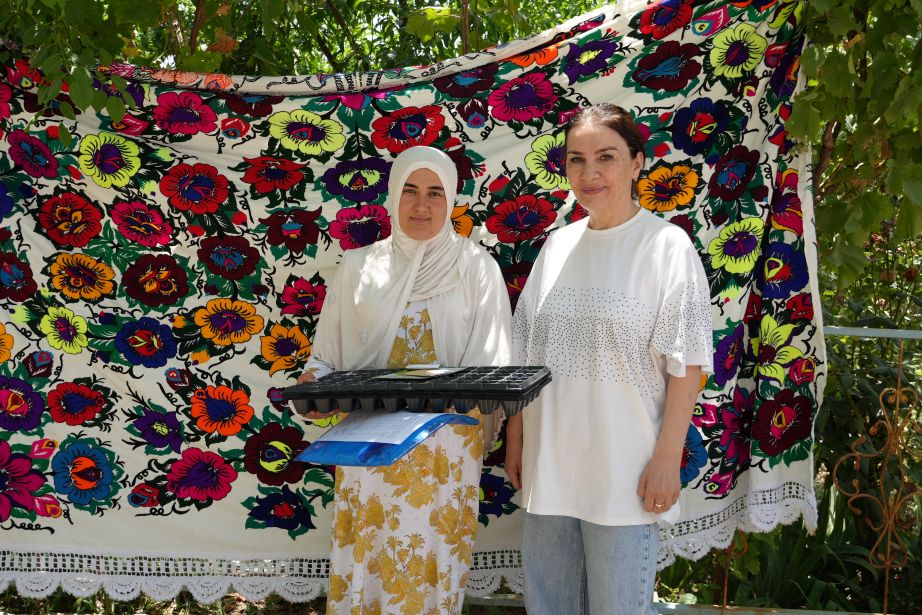
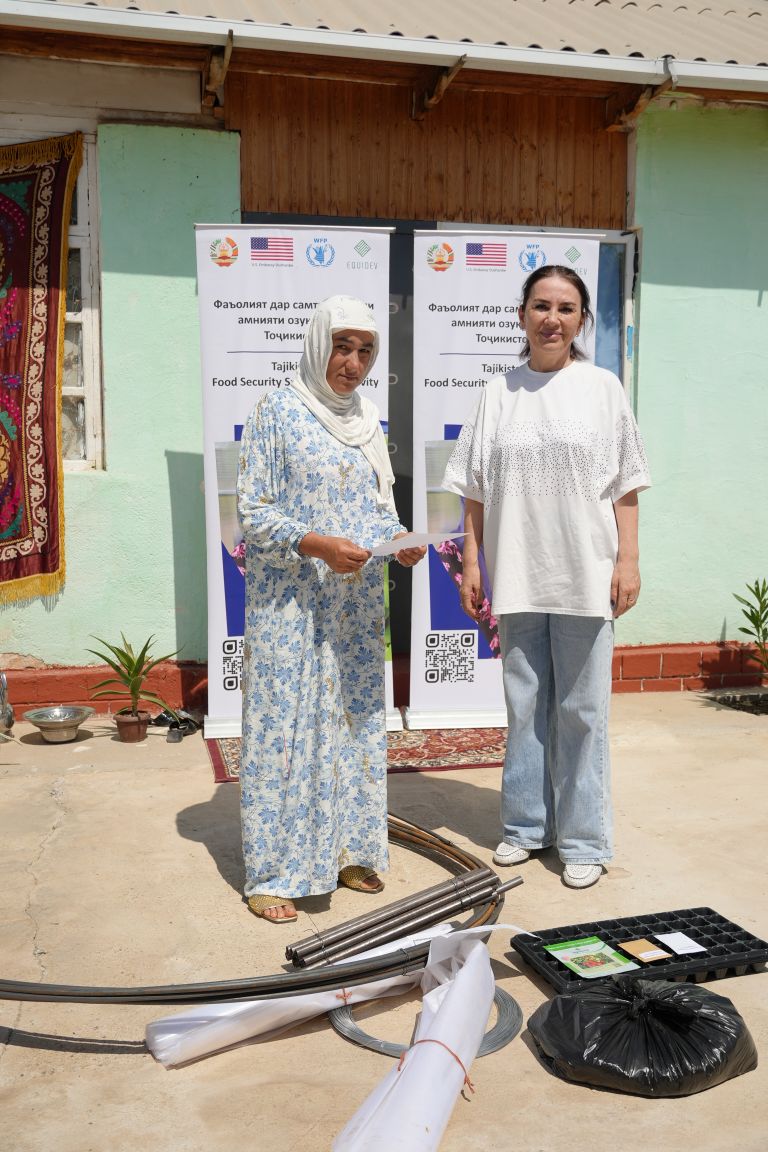
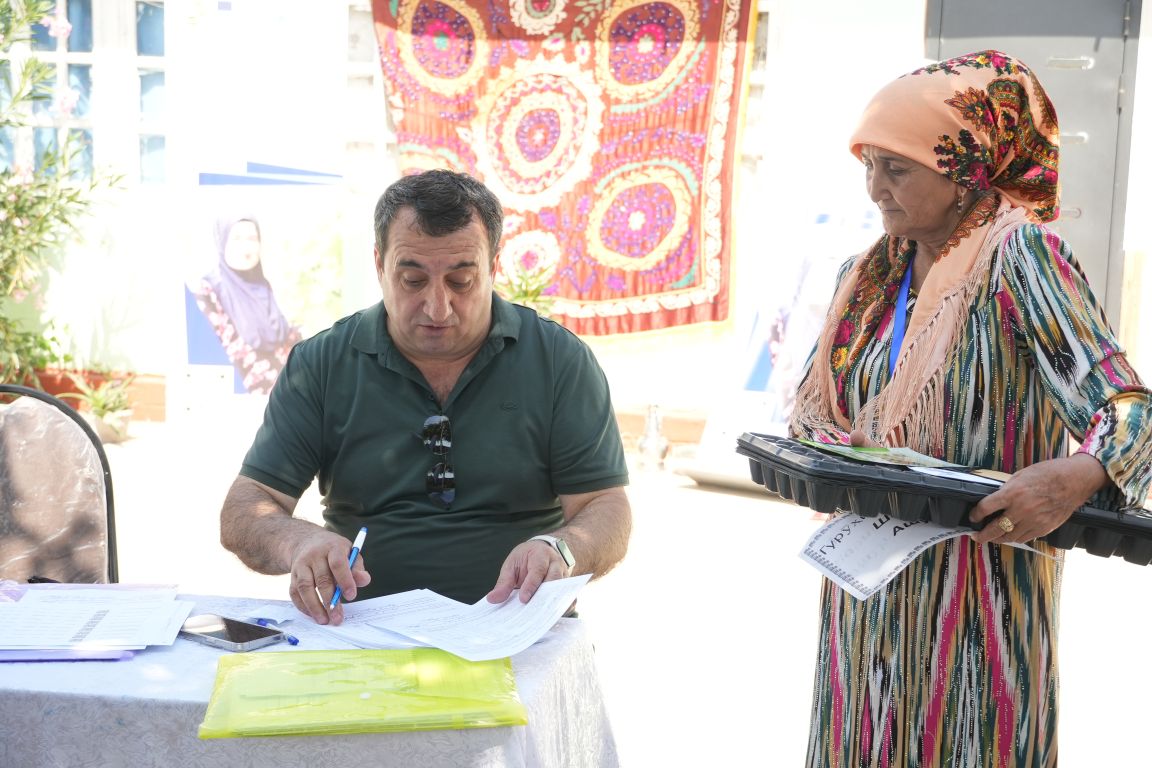
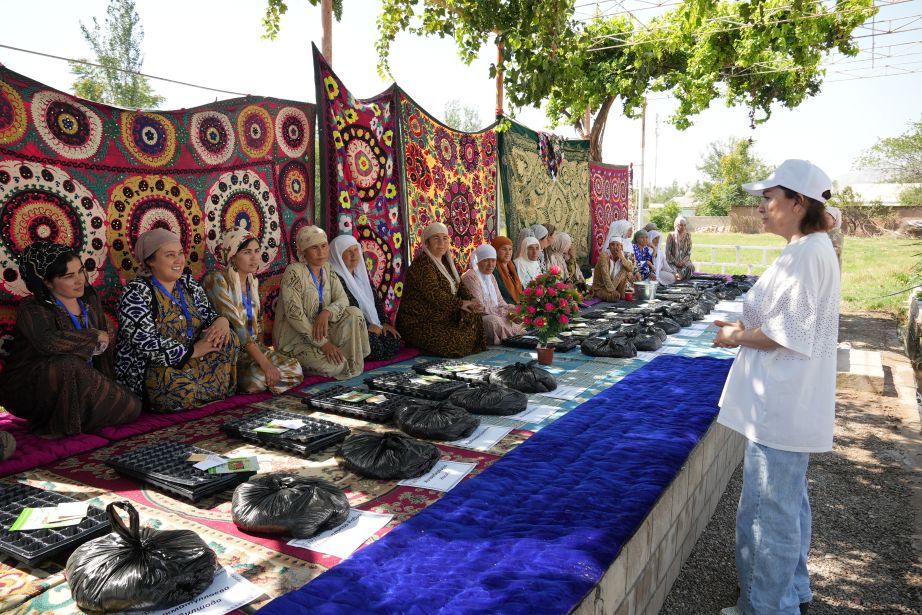
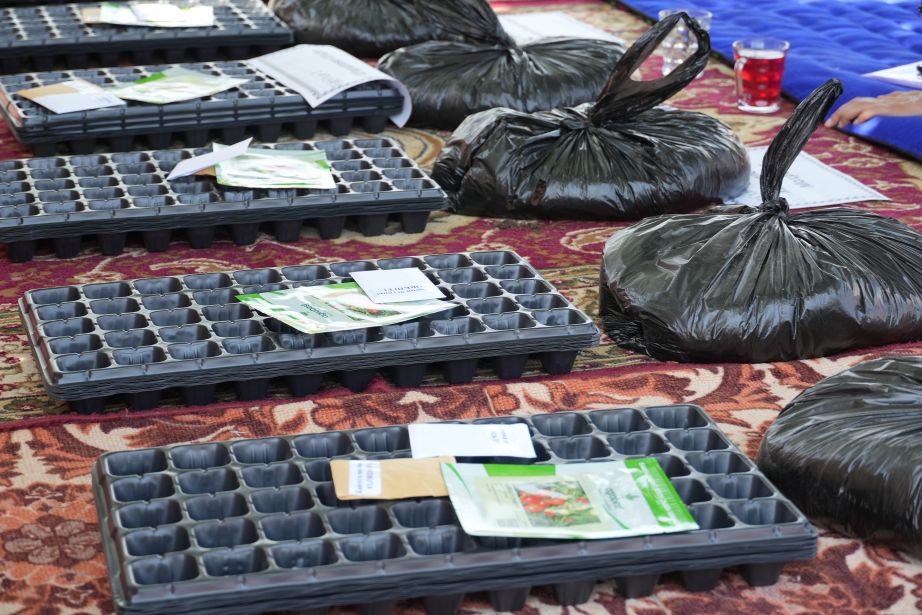
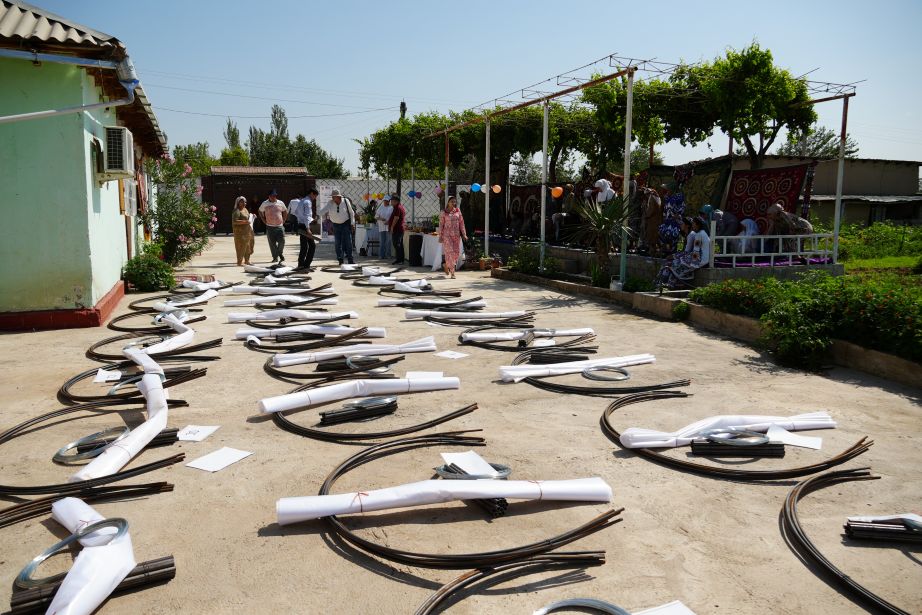
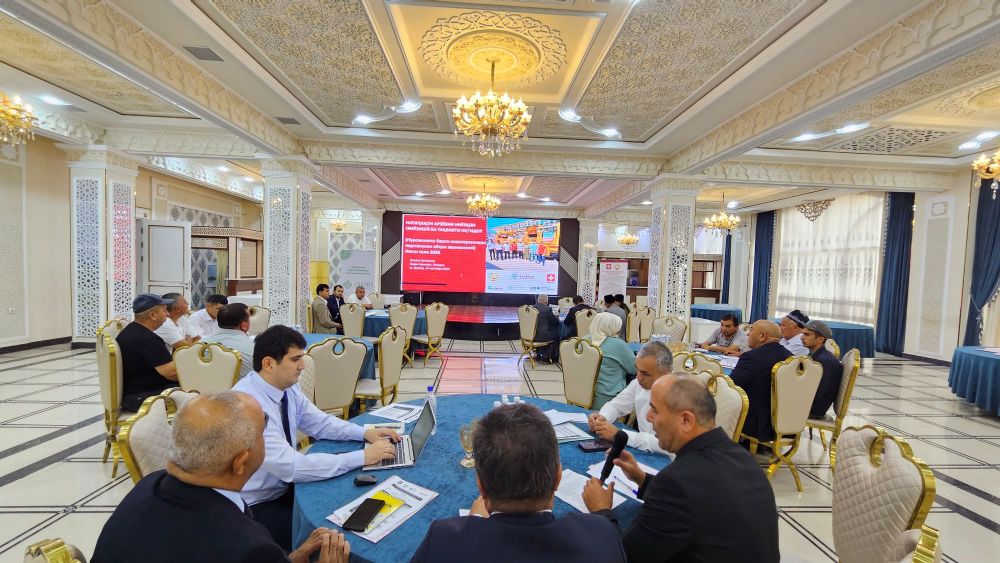
In the end of June 2026, 600 rural women farmers across Panj, Vose, Vakhsh, and Khuroson districts received agricultural support packages through the World Food Programme project implemented by the Equidev with support from the U.S. Government. Inside were tomato and cucumber seeds of American production, cauliflower seeds, seedling cassettes, biohumus, and yard greenhouse tools for household farming, practical materials many women described as difficult or expensive to access on their own.
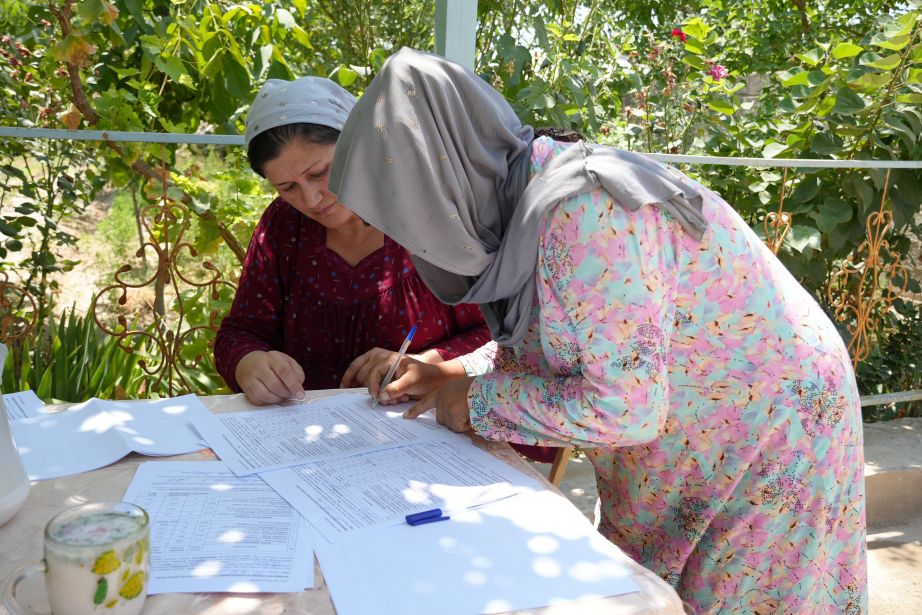
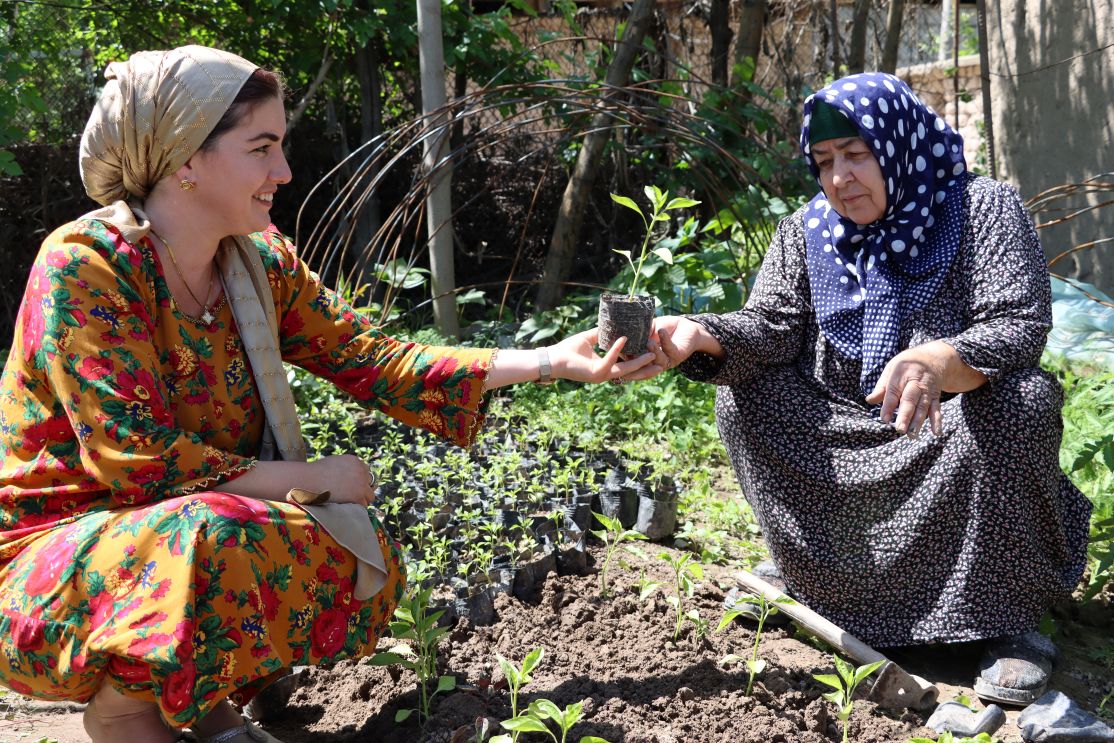
Some participants carefully opened the seed packets on the spot, comparing varieties and discussing which crops would be planted first. Others examined the seedling trays and greenhouse materials with visible curiosity, already imagining how they might transform small household plots into more productive spaces.
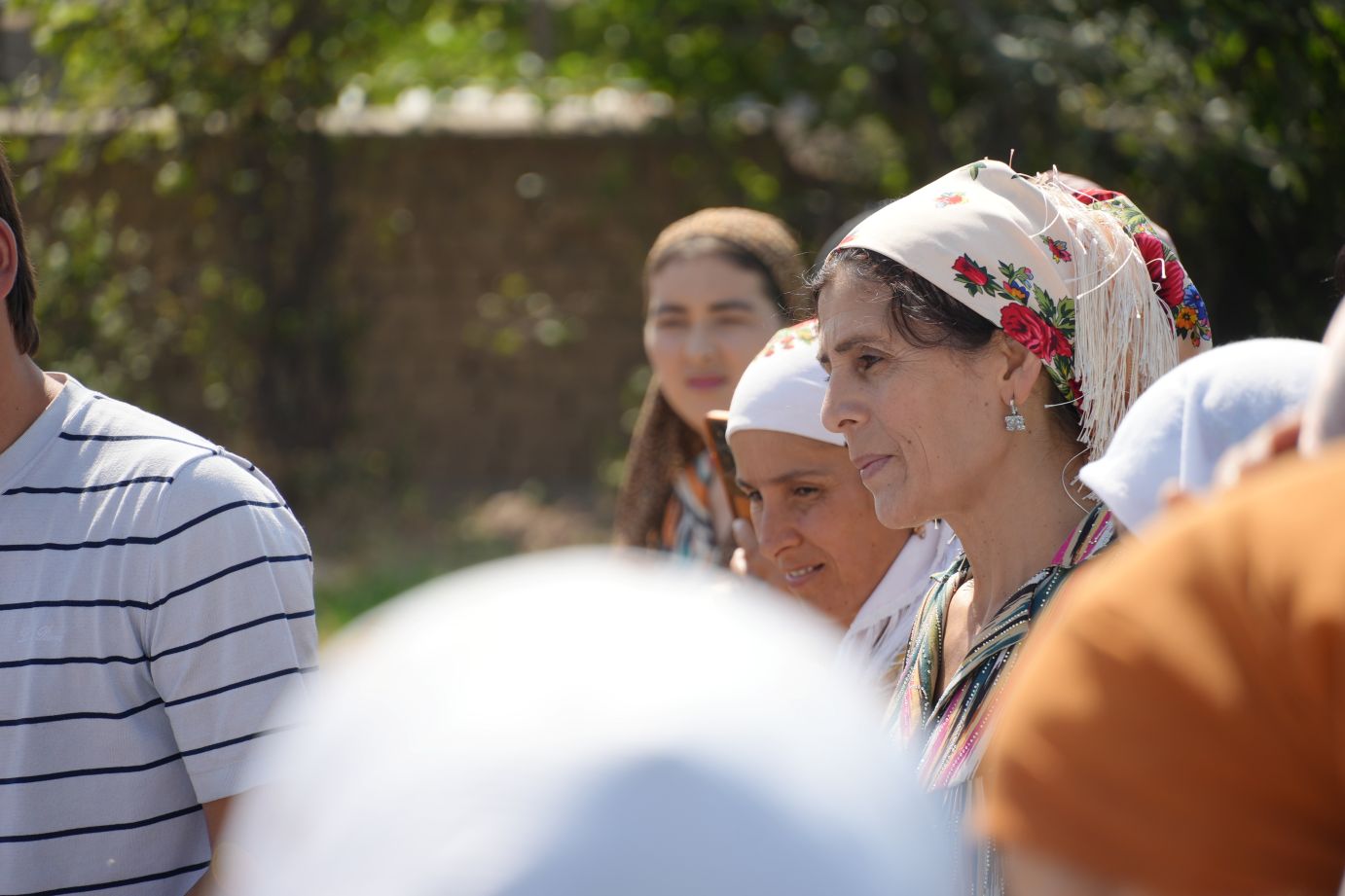
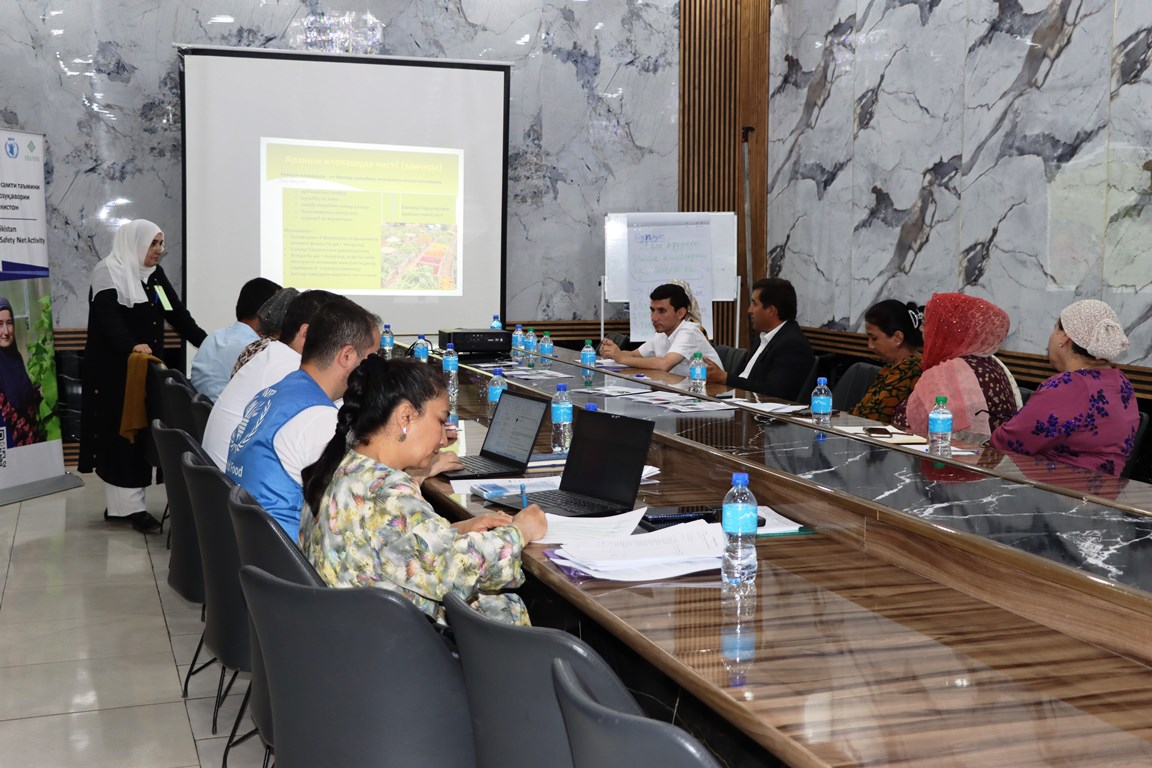
The atmosphere at the distribution points felt less like a formal event and more like a village gathering before planting season. Women exchanged ideas, discussed weather conditions, and spoke about hopes for stronger harvests after months of earlier trainings on safer farming methods, compost preparation, seedling production, food safety, and agri-finance management.
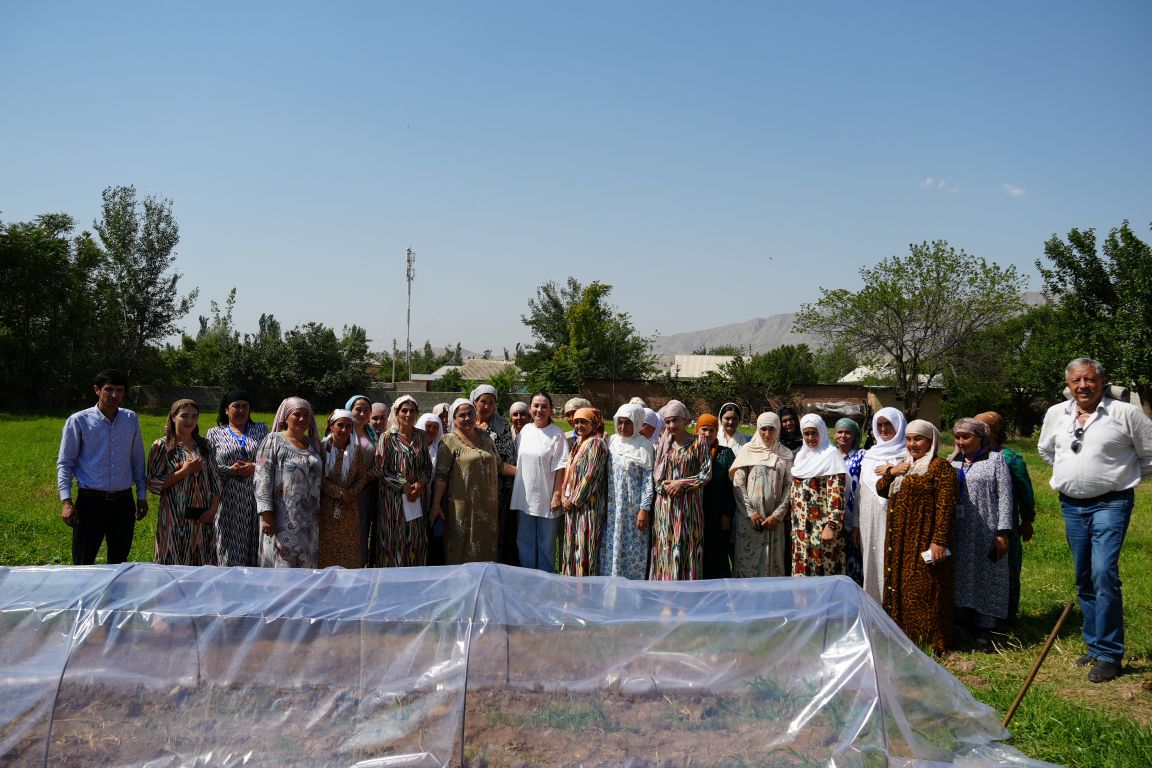
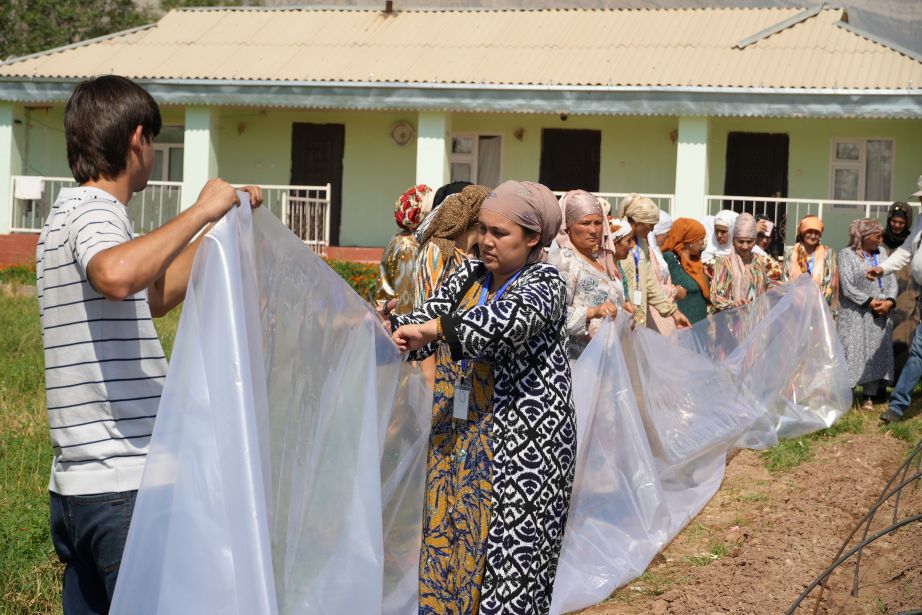
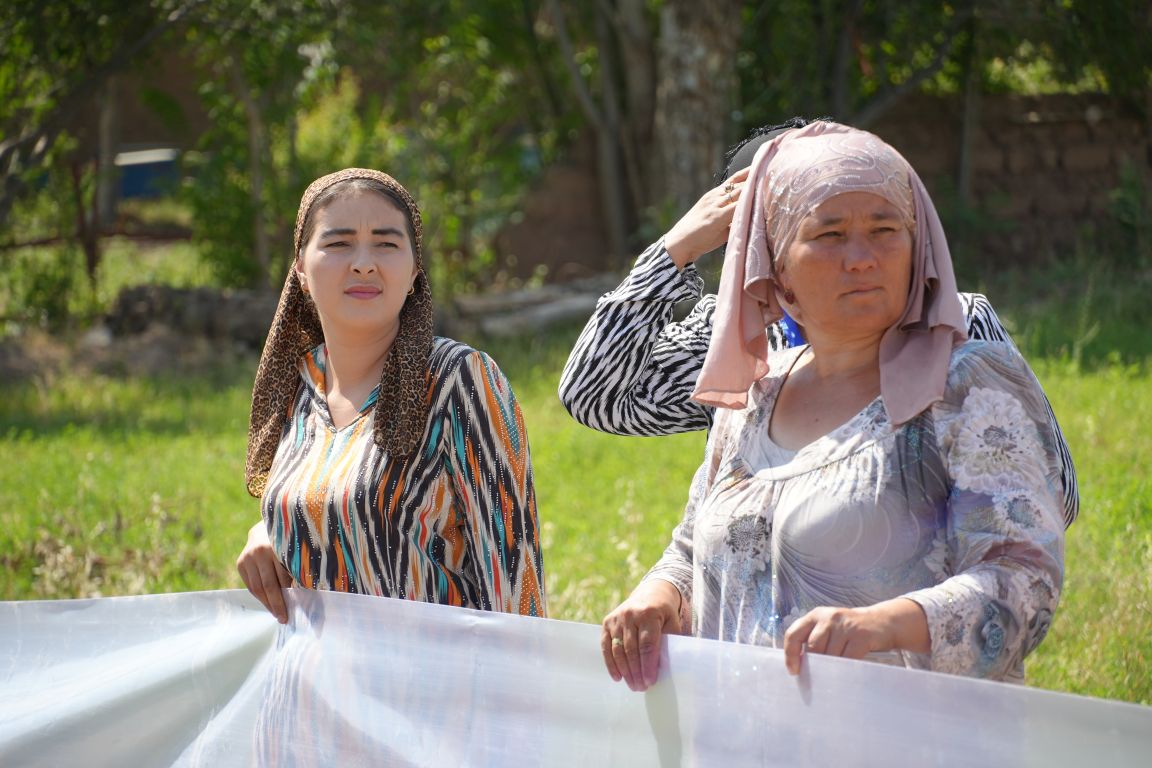
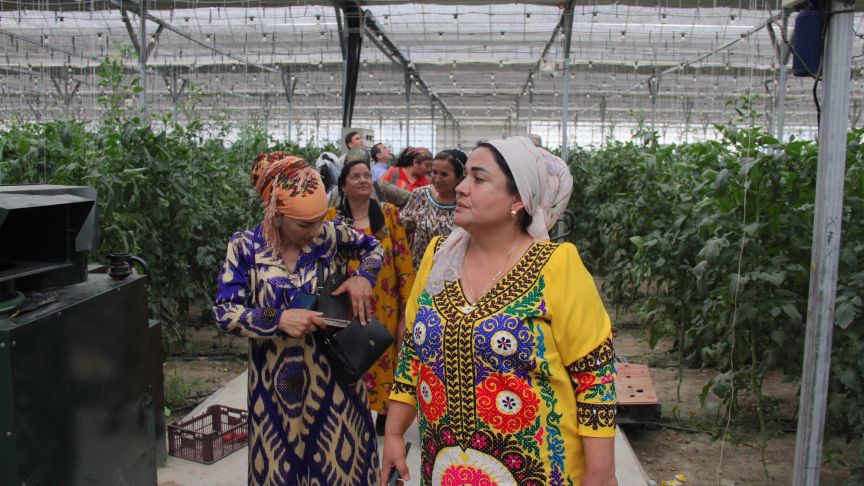
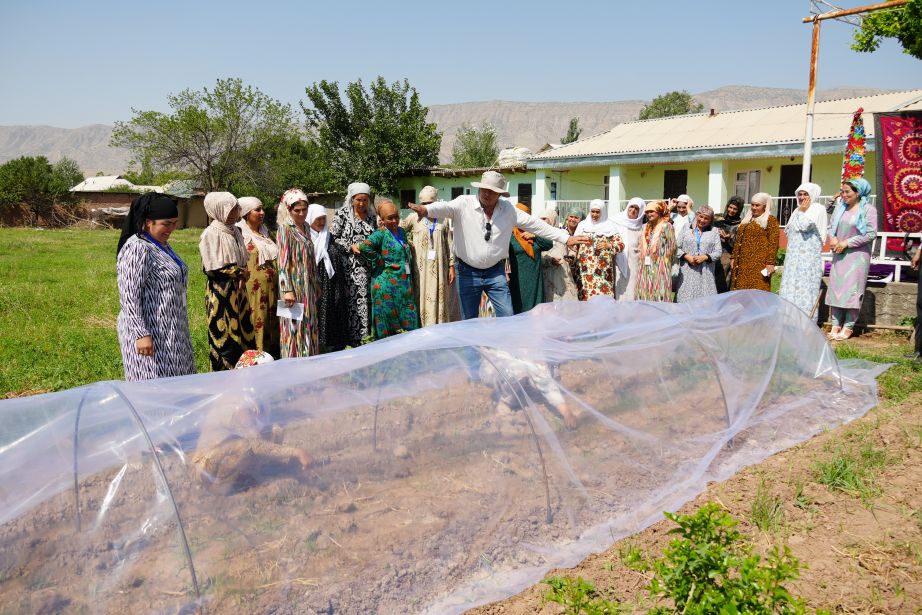
At each location, specialists demonstrated how the yard greenhouses are assembled and used in practice. Women gathered closely around the structures, asking questions about protecting crops from strong sun, wind, and sudden weather changes.
Organizers say the supplies were selected not simply as assistance packages, but as tools intended to help women apply the practical knowledge they had already gained during the project.
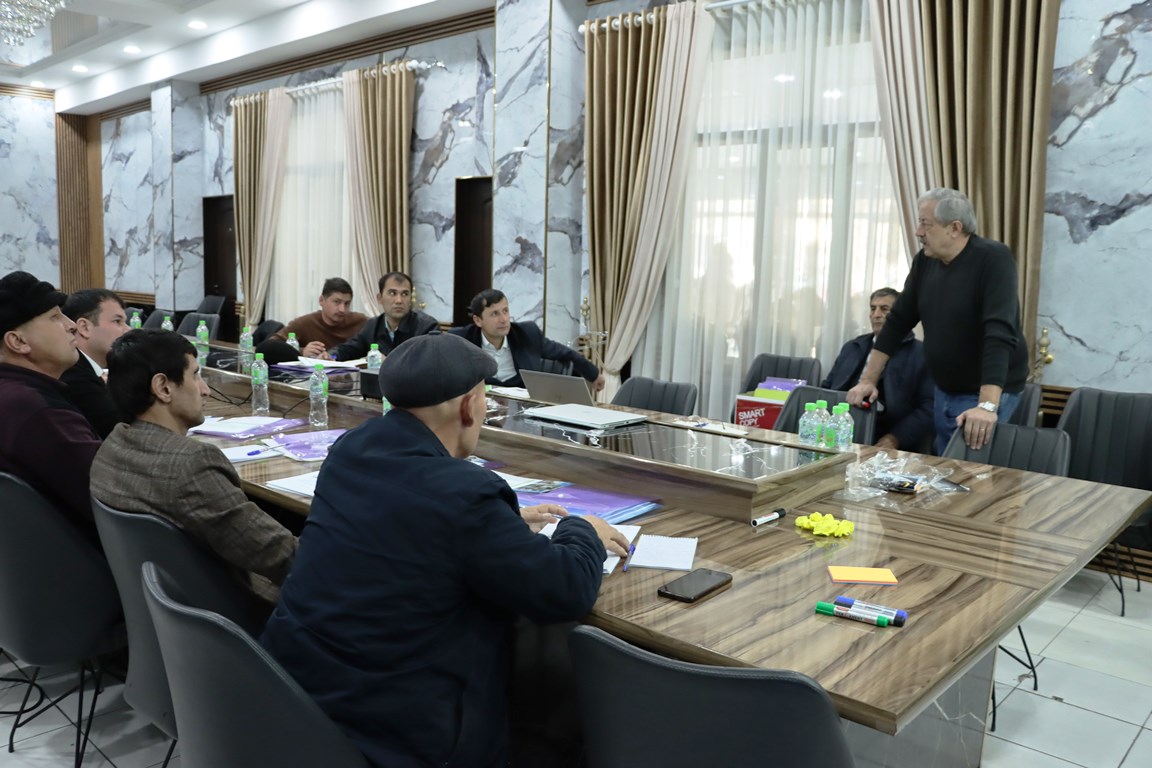
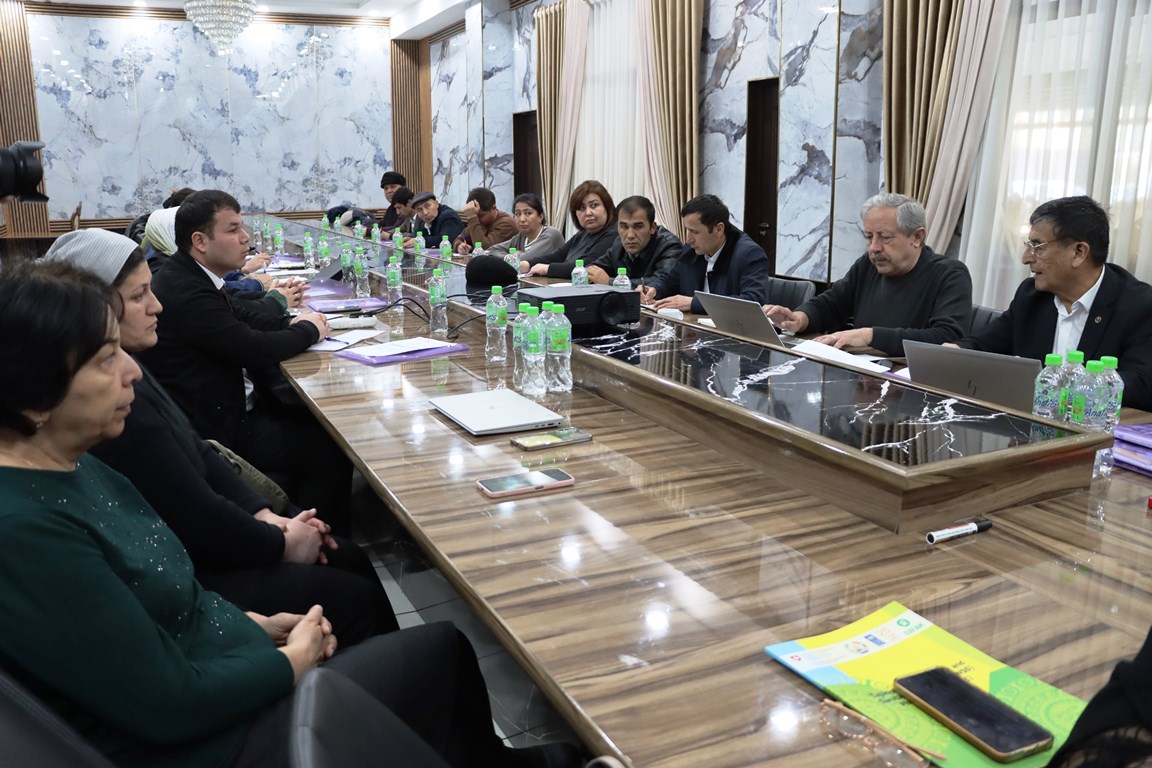
The initiative also prepared local agronomists from the target districts, who are now available to continue supporting women farmers with advice and consultations directly inside their communities.
For many women, the quality of the materials itself became part of the conversation.
Saodat Qurbonova: “These seeds look very high quality. Now we want to use everything we learned during the trainings to grow healthier and better harvests for our families.”
Kholbi Hayitova: “We are already discussing at home how to use the greenhouse to protect our crops and increase production. These are things we could not easily buy ourselves.”
Savrigul Islomova: “The seedling cassettes and biohumus are very important for us. If we prepare strong seedlings from the beginning, the whole season becomes easier and more productive.”
Mohira Zabirova: “Now these supplies are even more valuable for us because we already learned how to use them properly. Before, many things were done only from habit. Now we understand the reasons behind them.”
Muhabbat Zinatova: “We sincerely thank the US Government, WFP, and EquiDev for this support and attention to rural women farmers. These are not simply seeds and farming materials for us. They are new opportunities for our families.”
The initiative is part of a WFP project implemented by EquiDev with the support of the US Government, aimed at strengthening food security, improving nutrition, and helping rural women farmers make better use of their land, harvests, and opportunities.