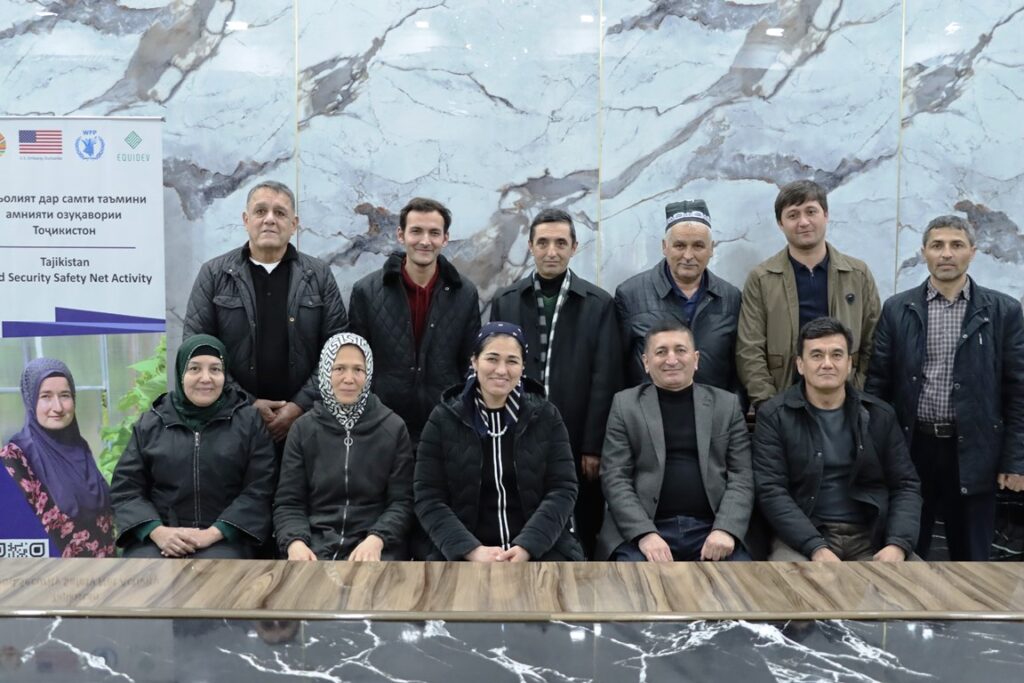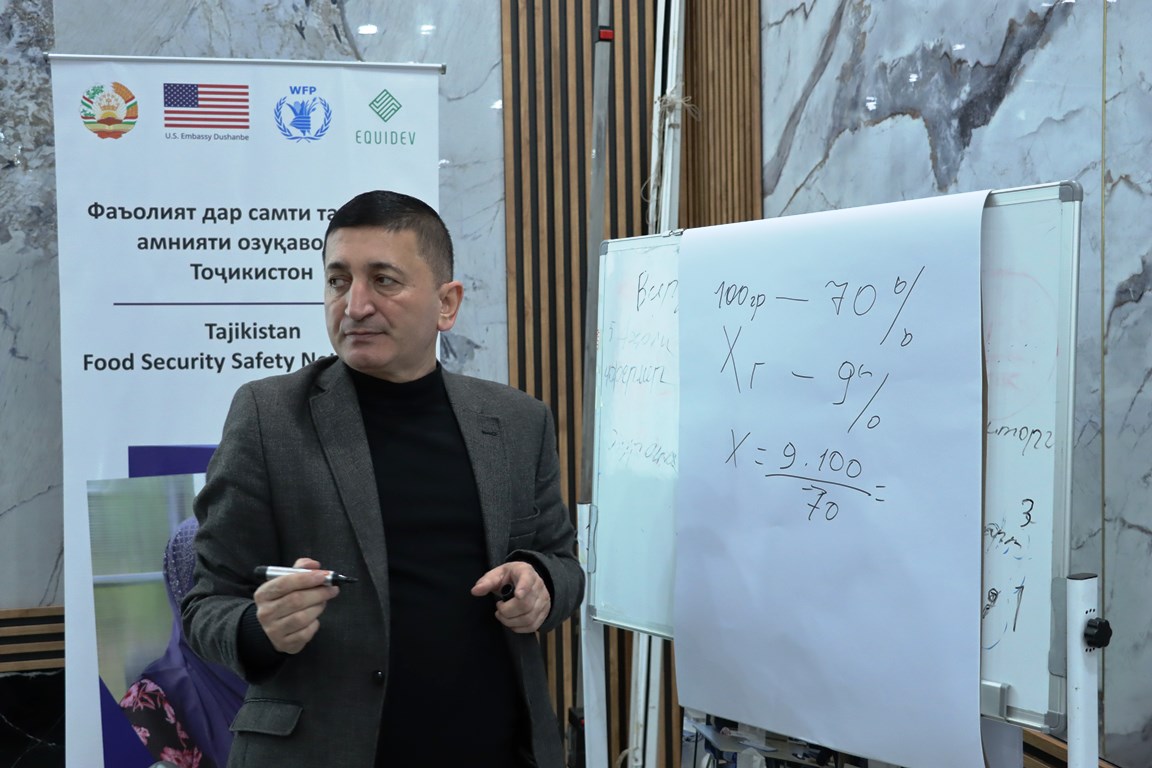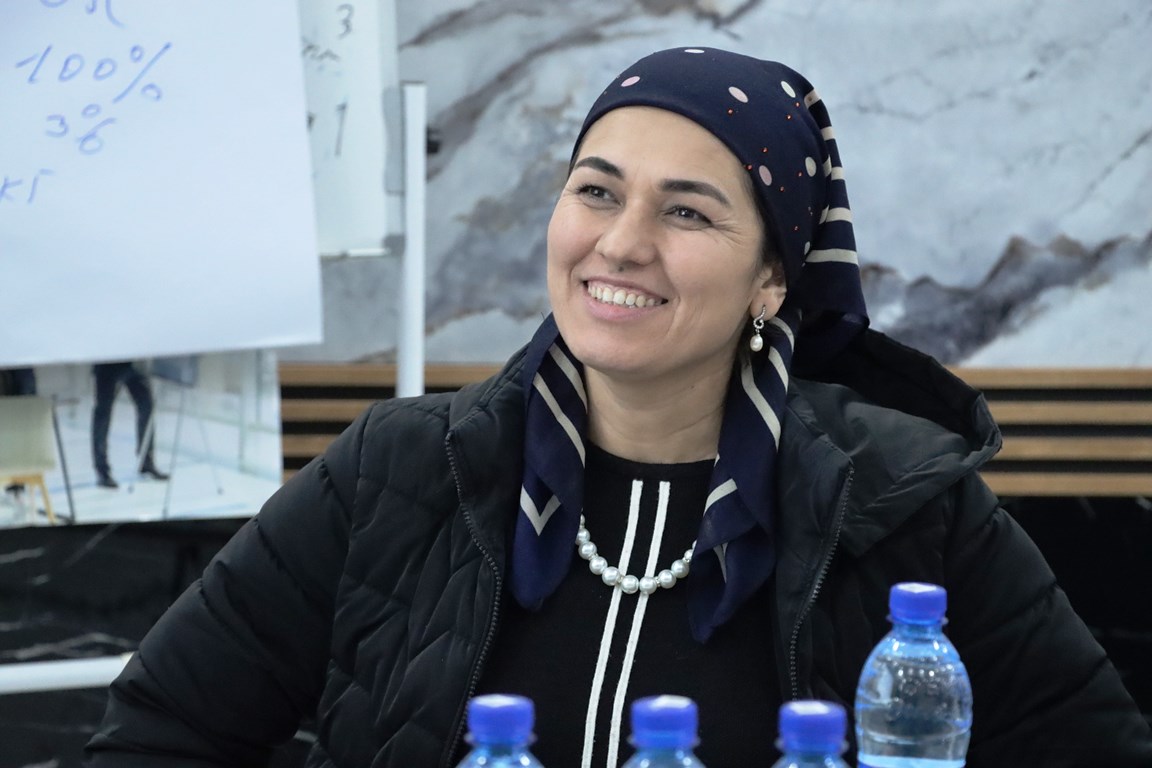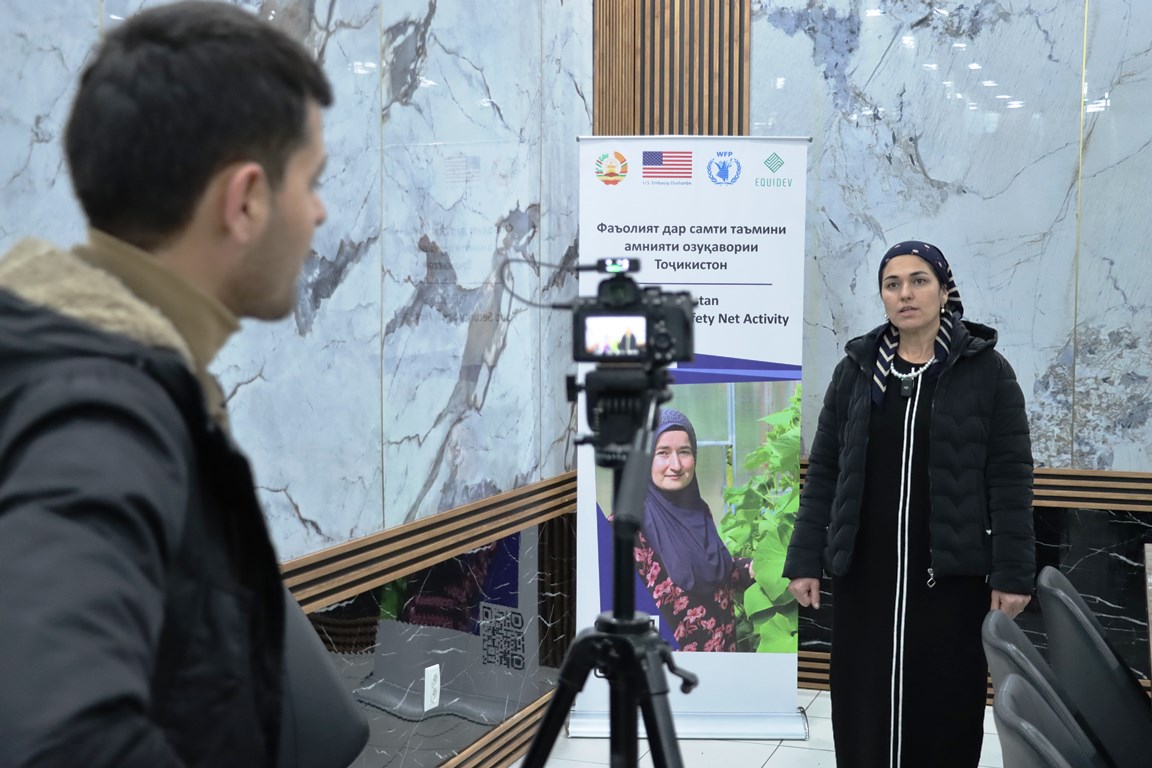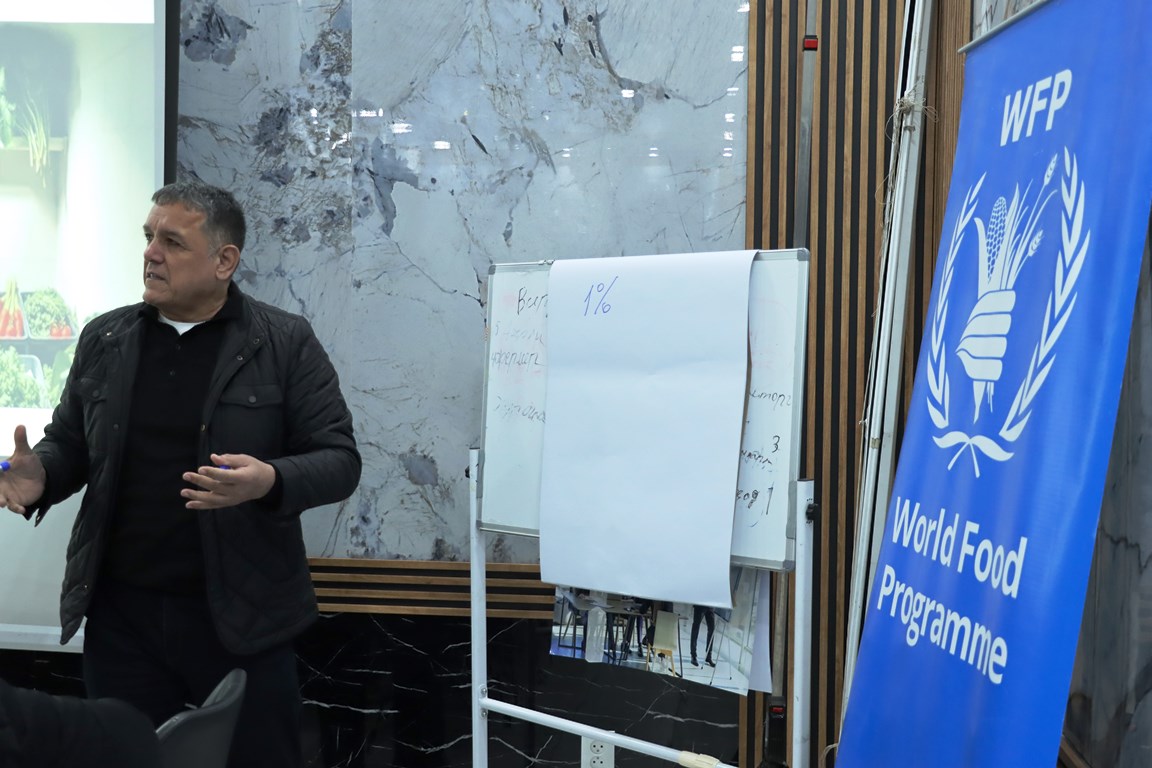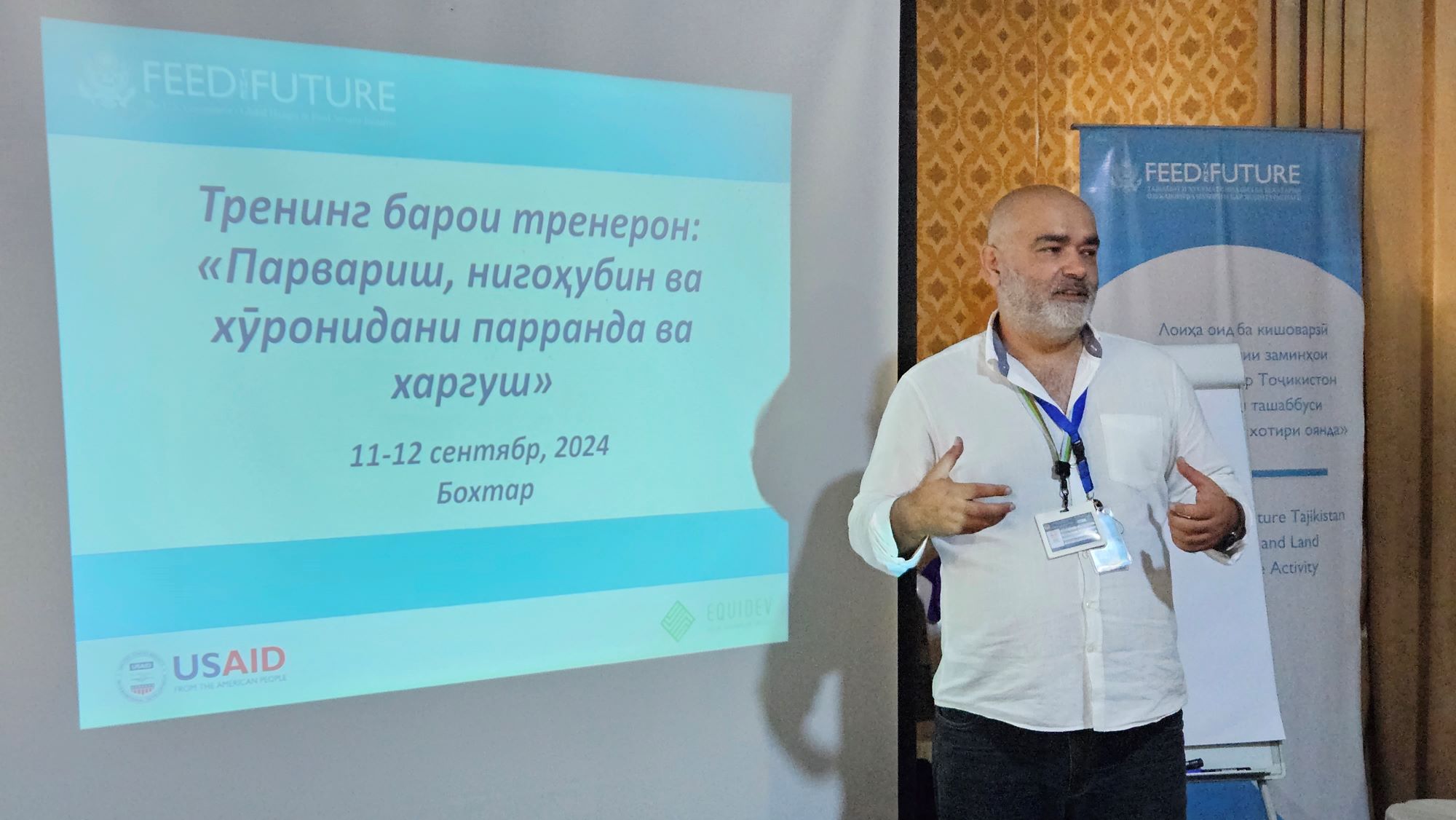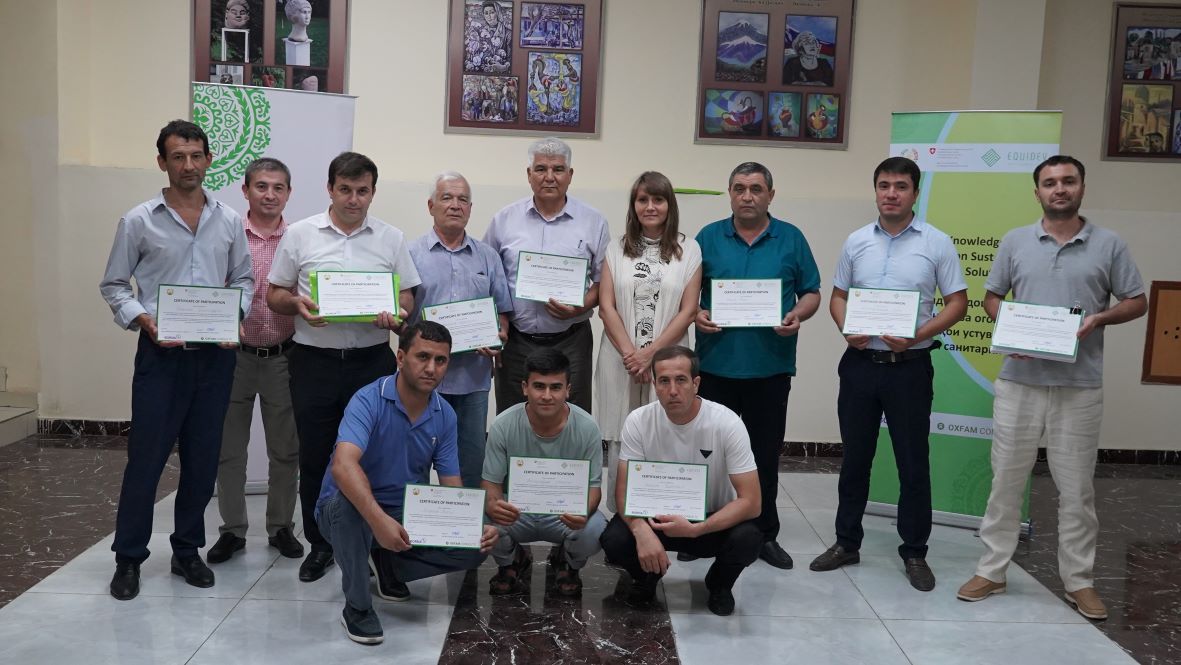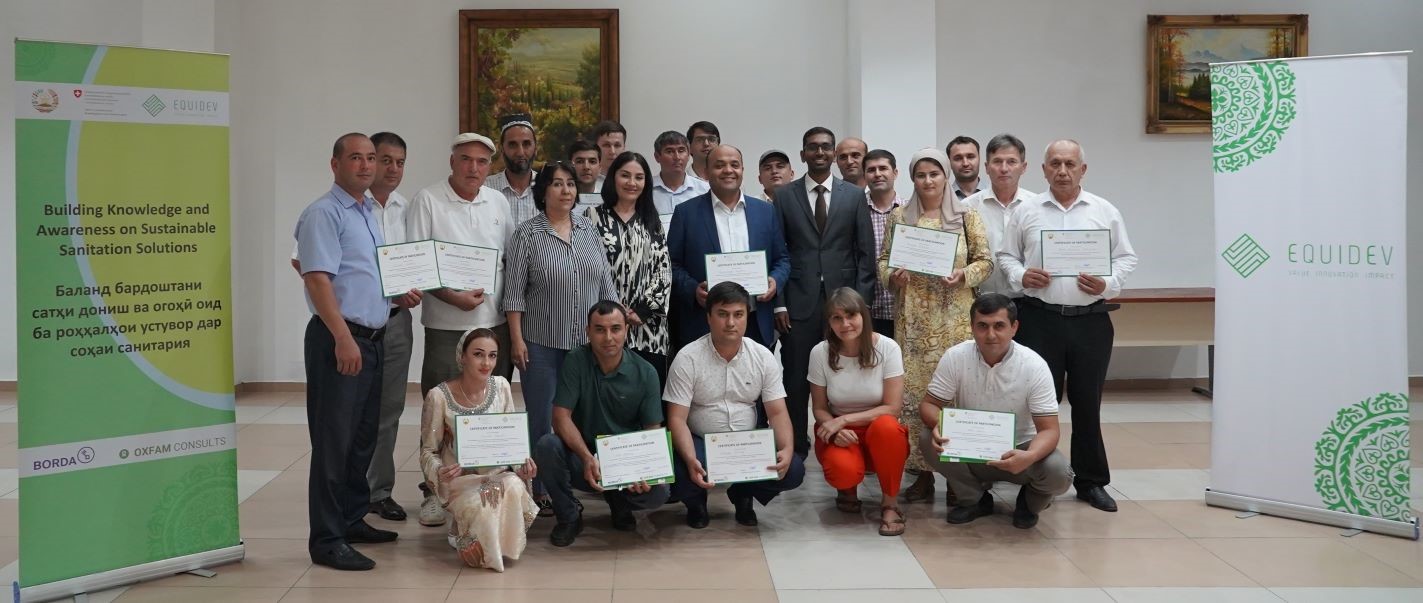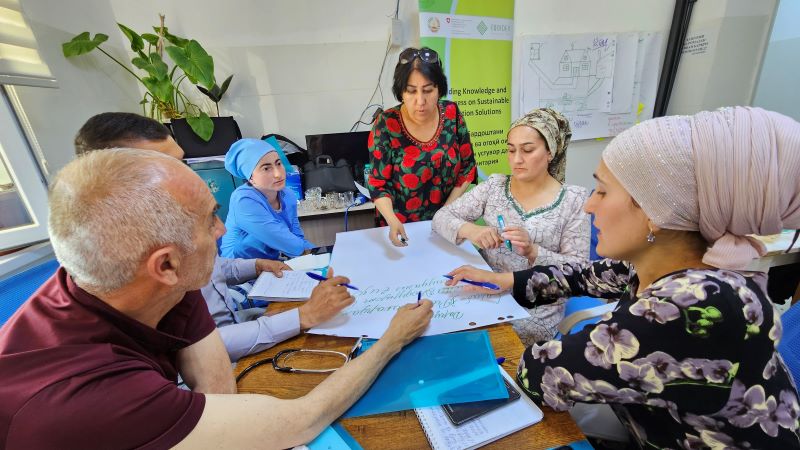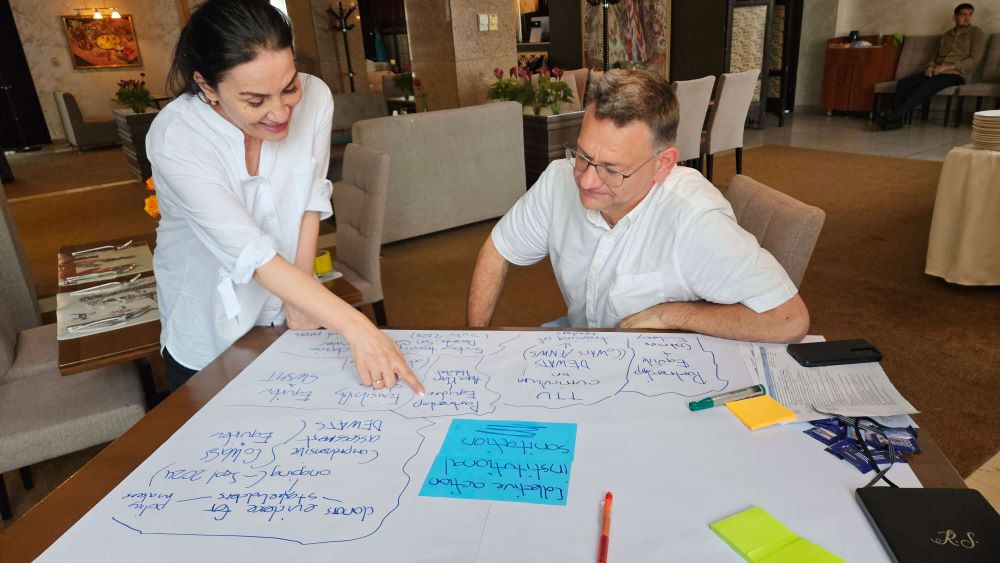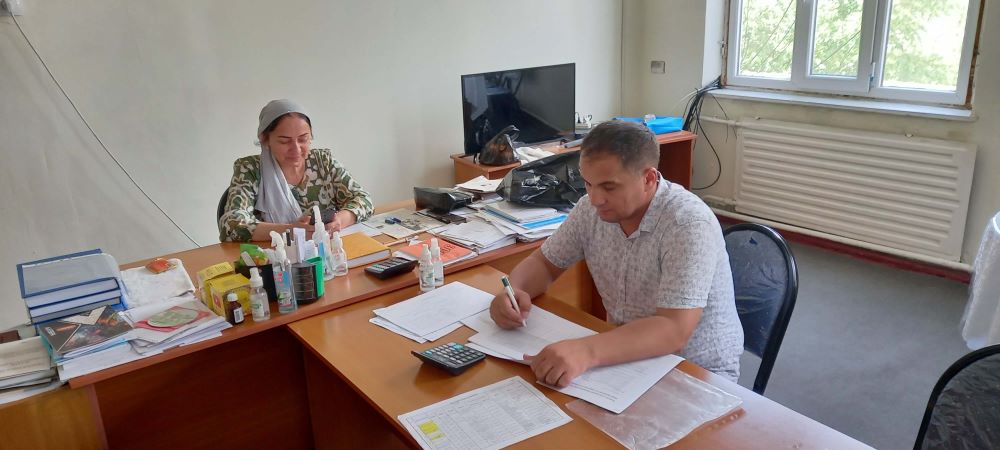
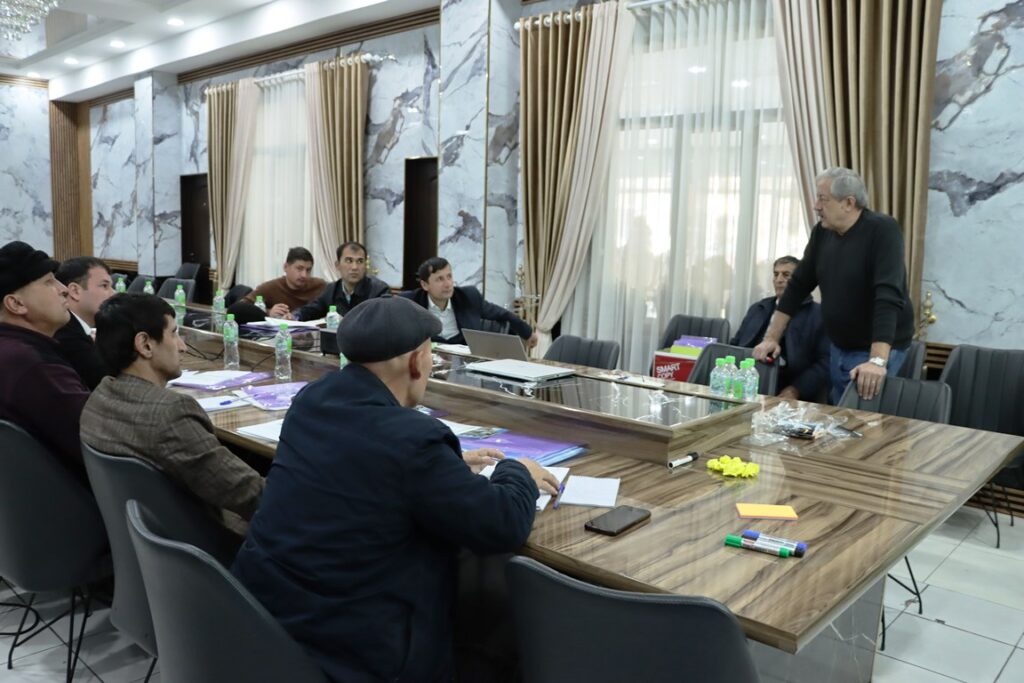
A new network of local trainers is now ready to support rural women across Khatlon after completing a series of intensive Training of Trainers (ToT) programmes held in Bokhtar in February.
The trainings brought together local agronomists and food technologists from selected districts, equipping them with practical knowledge that will soon reach 600 women farmers through community-based learning sessions across the region.
The first training focused on climate-smart agriculture and improved household food production. Eleven agronomists strengthened their skills in soil management, greenhouse use, environmentally friendly pest control, and safe food production practices. Through practical demonstrations and peer learning, trainers explored low-cost solutions that women farmers can immediately apply in kitchen gardens and small household plots.
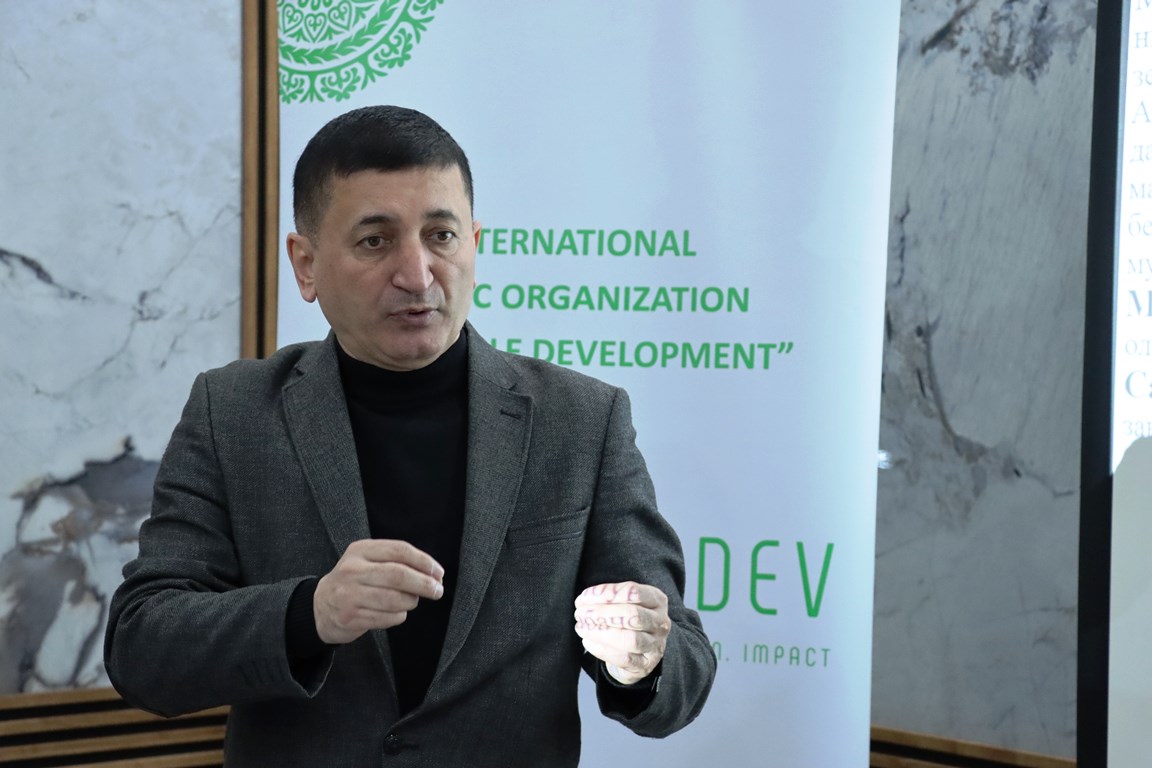
“We are excited to share these practical skills with women farmers so they can grow healthier crops, preserve food safely, and support their families all year long,” said local trainer Nurali Rajabov from Vakhsh.
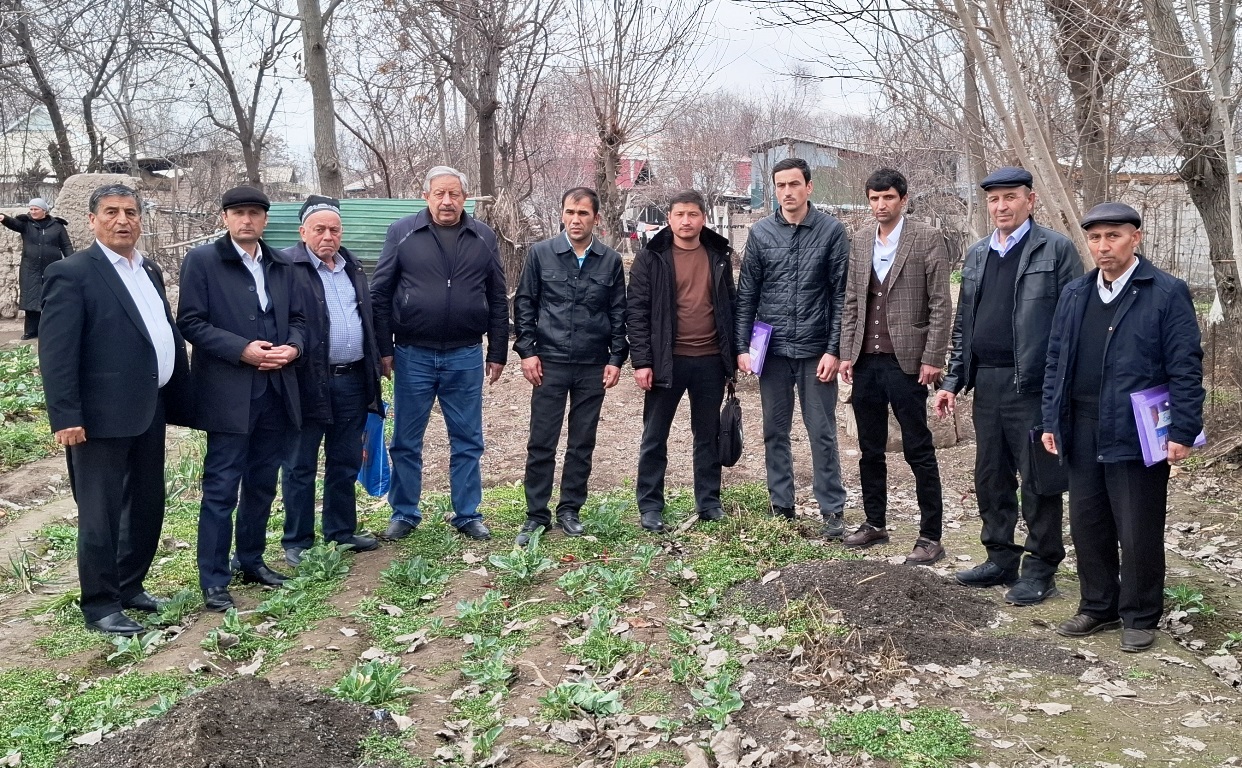
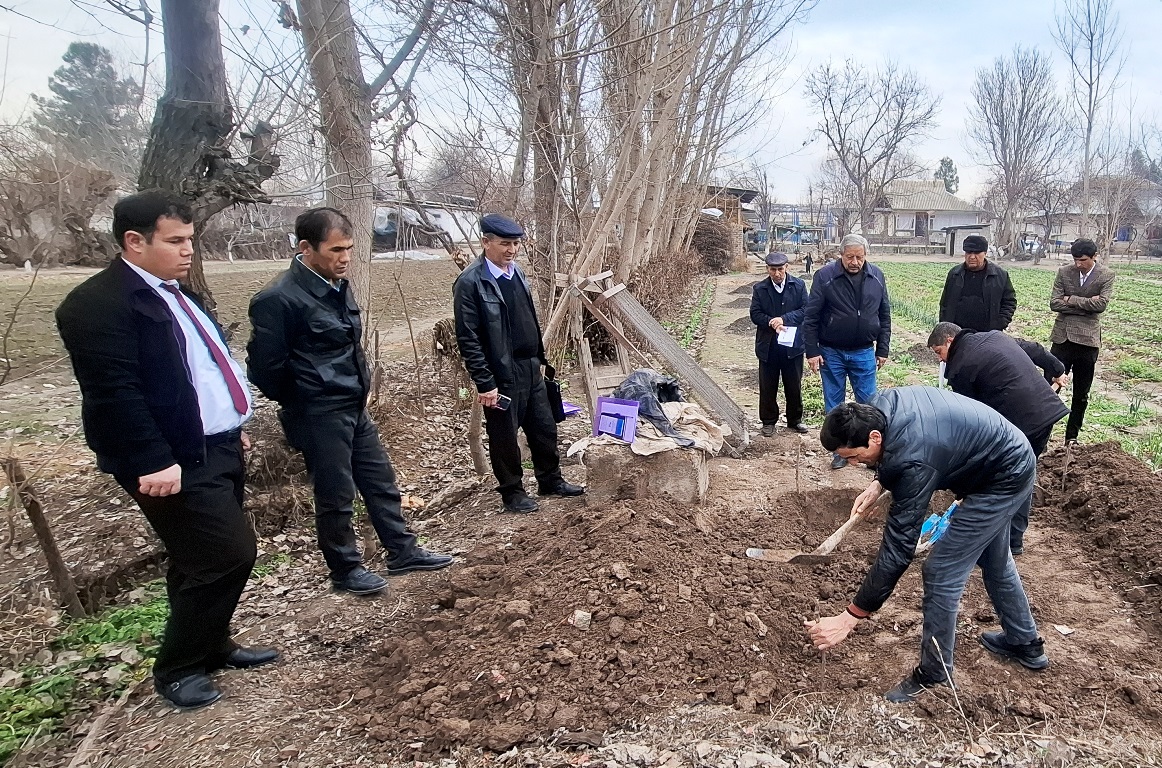

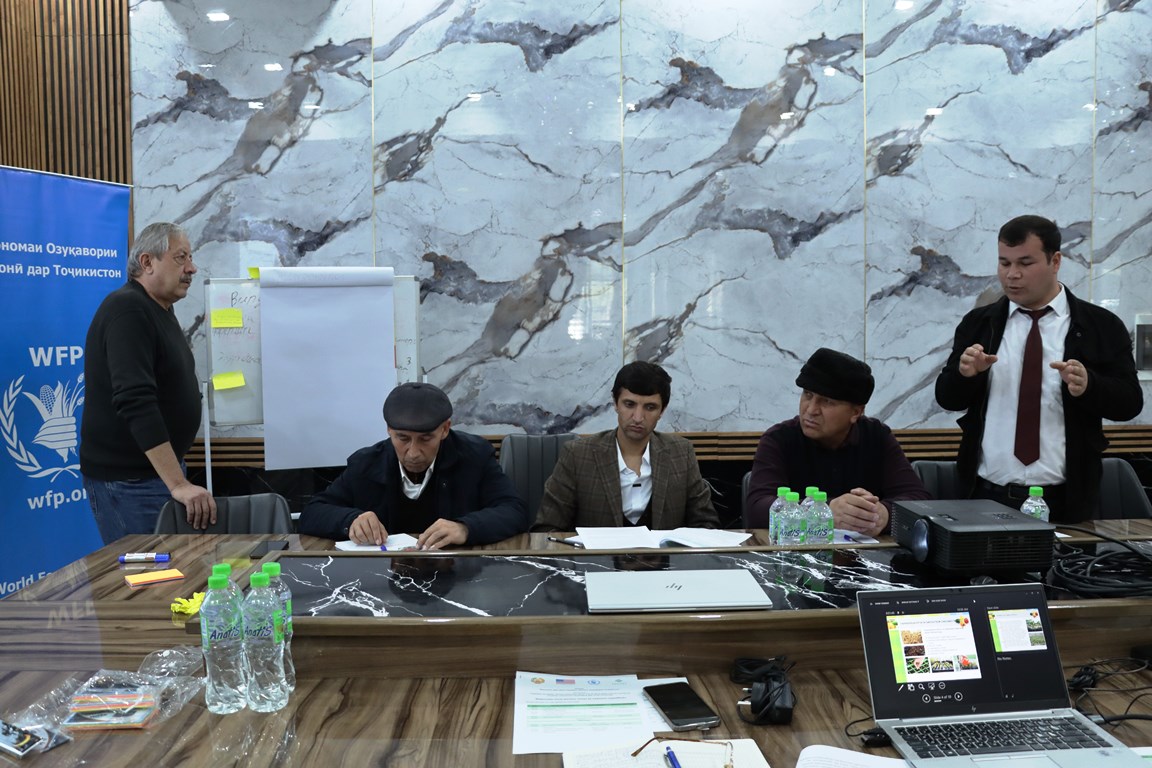
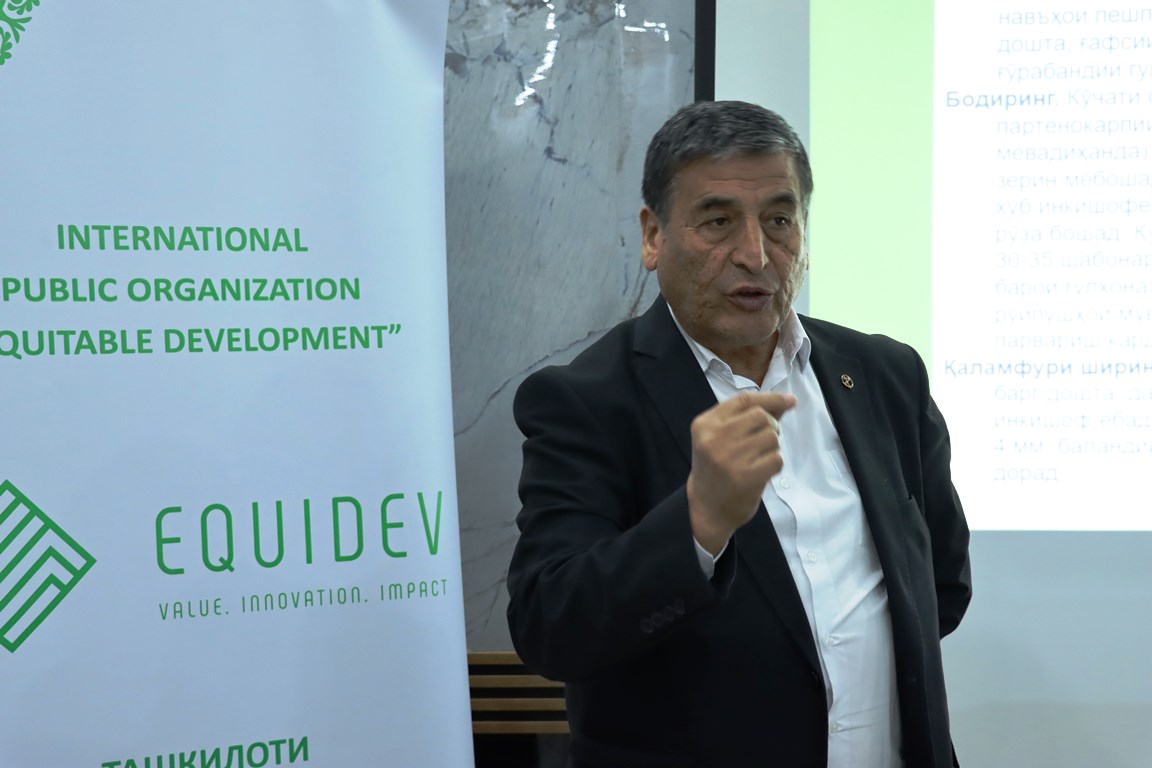
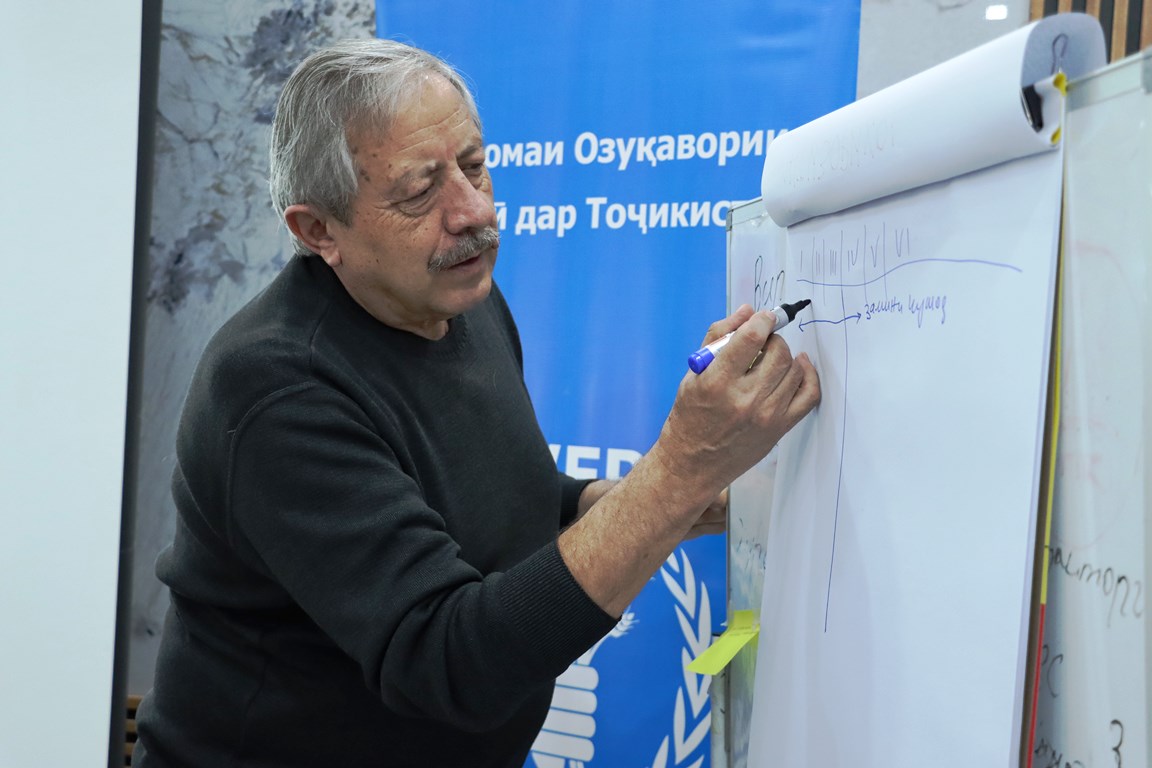
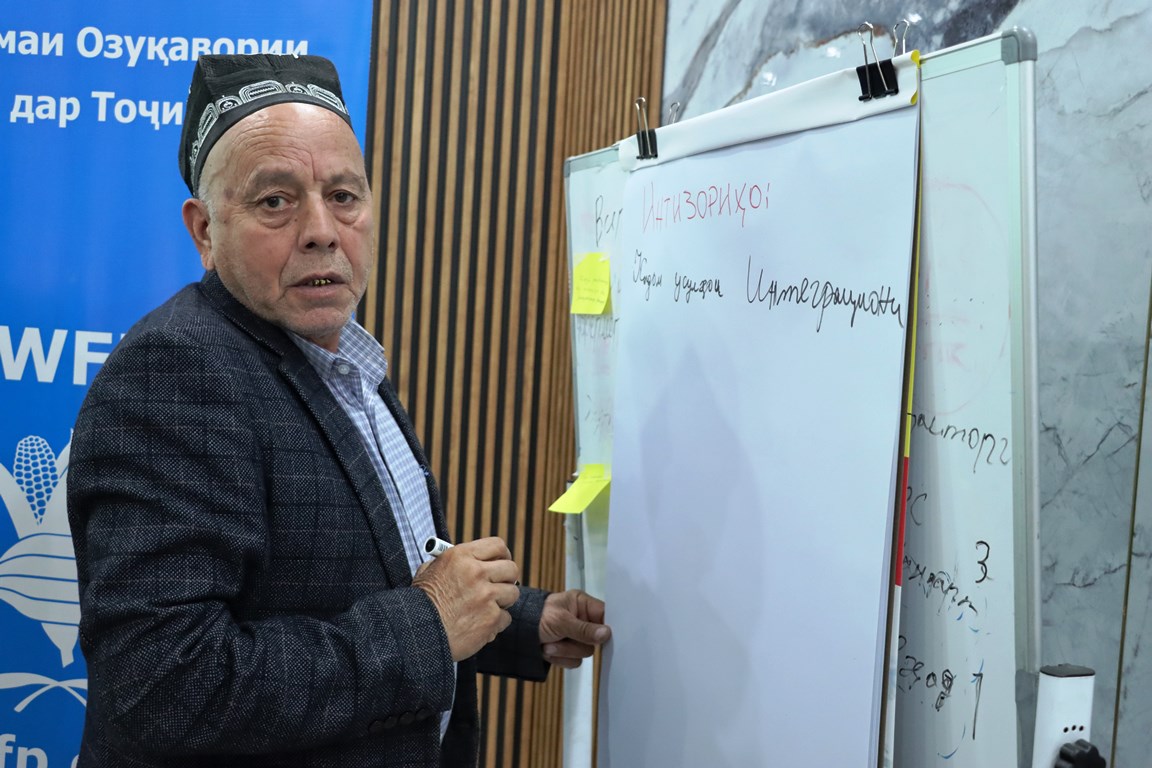

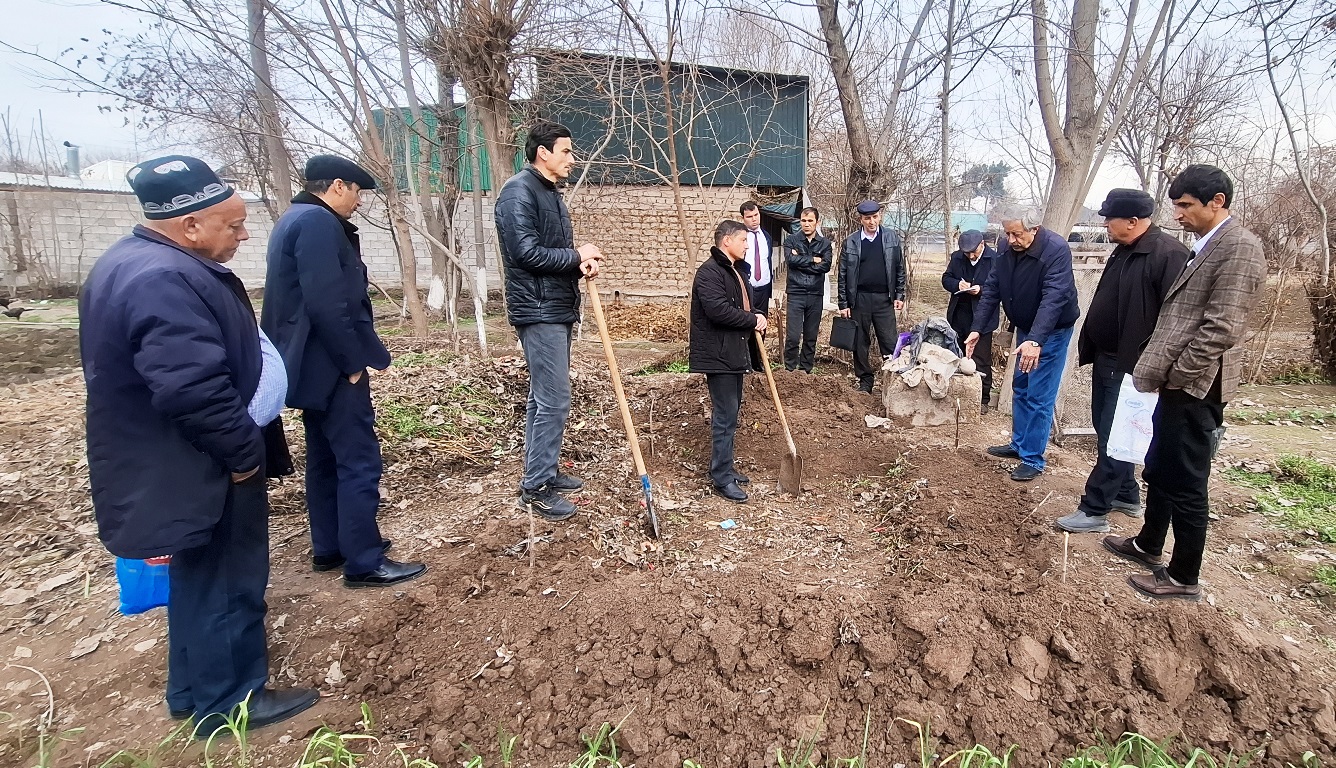
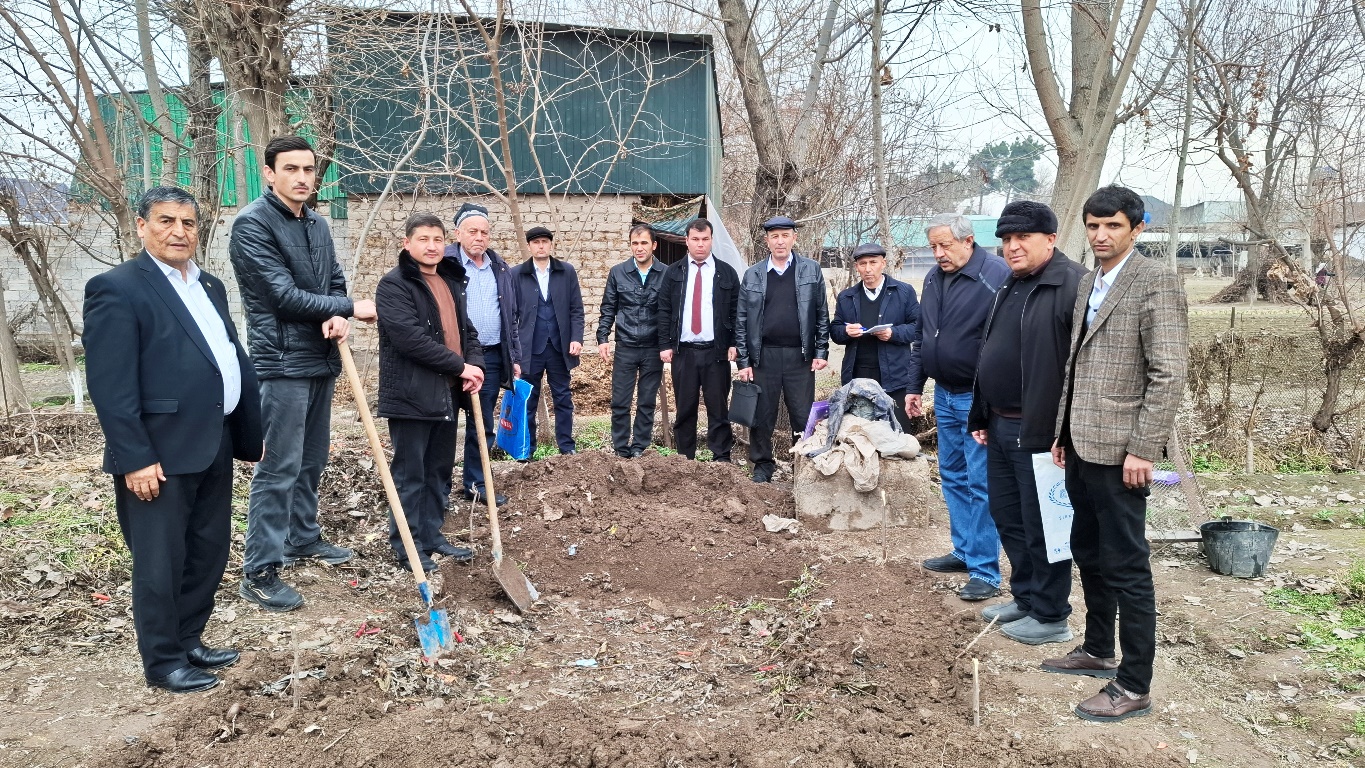
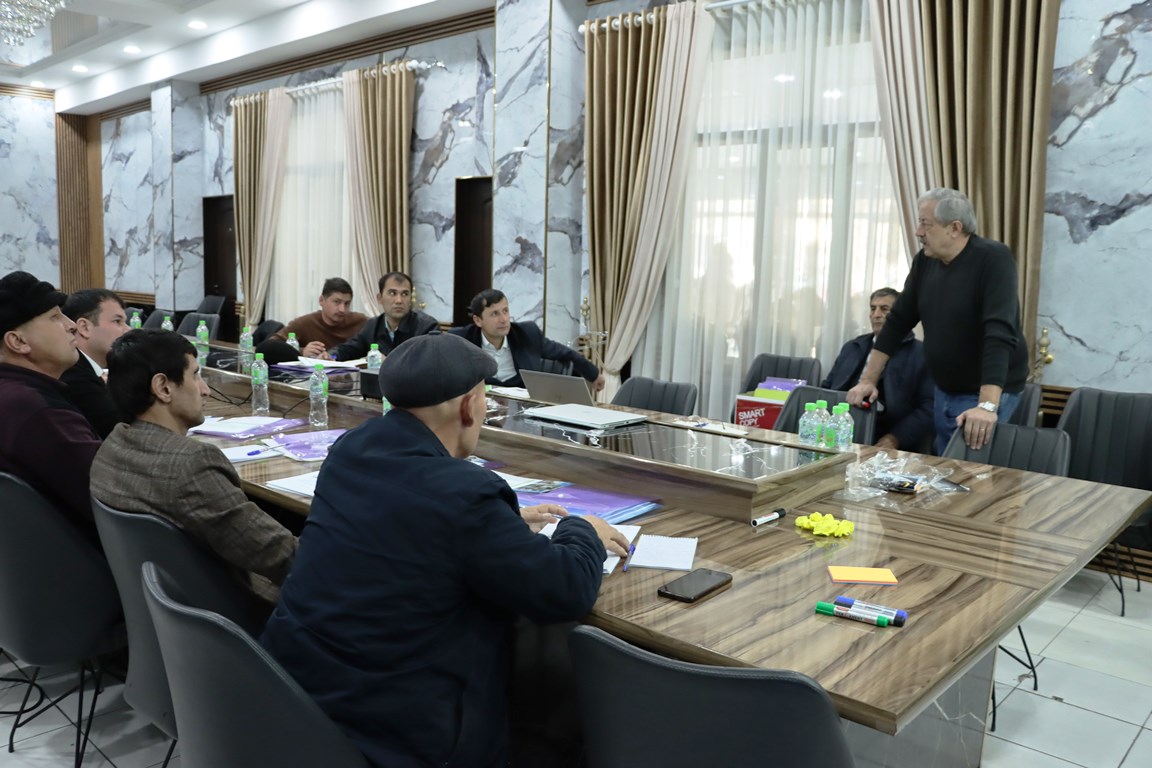


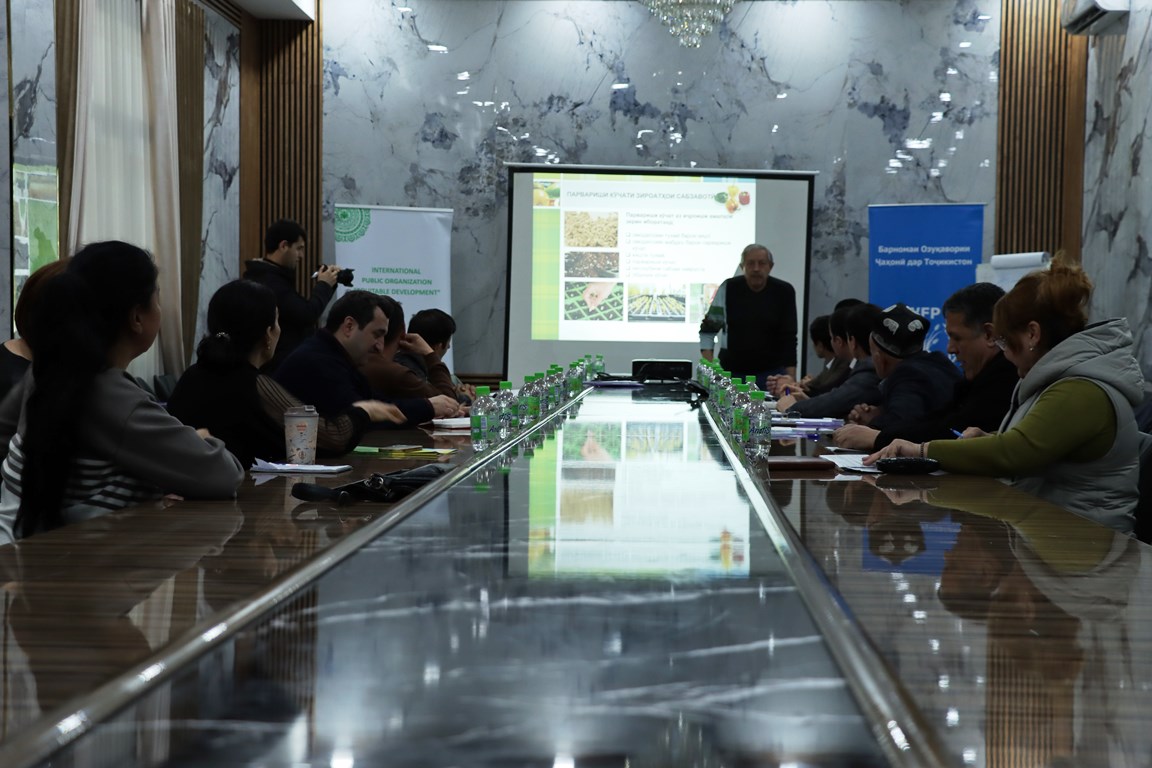


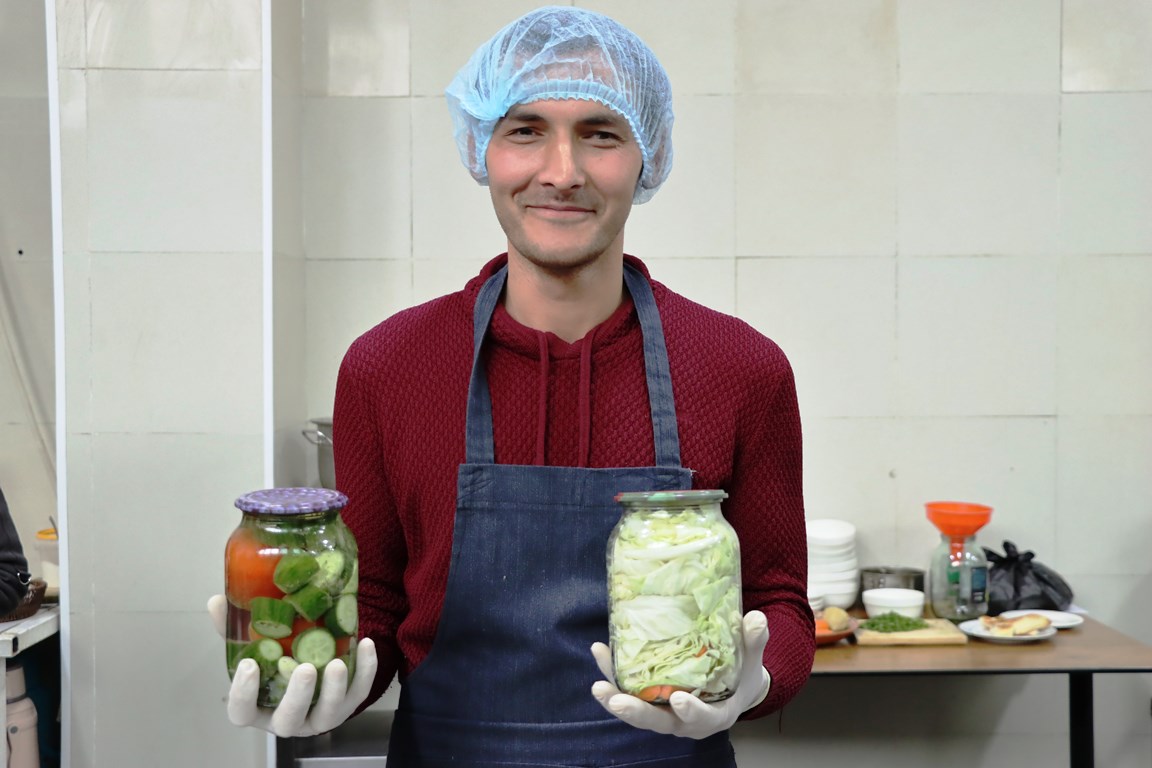
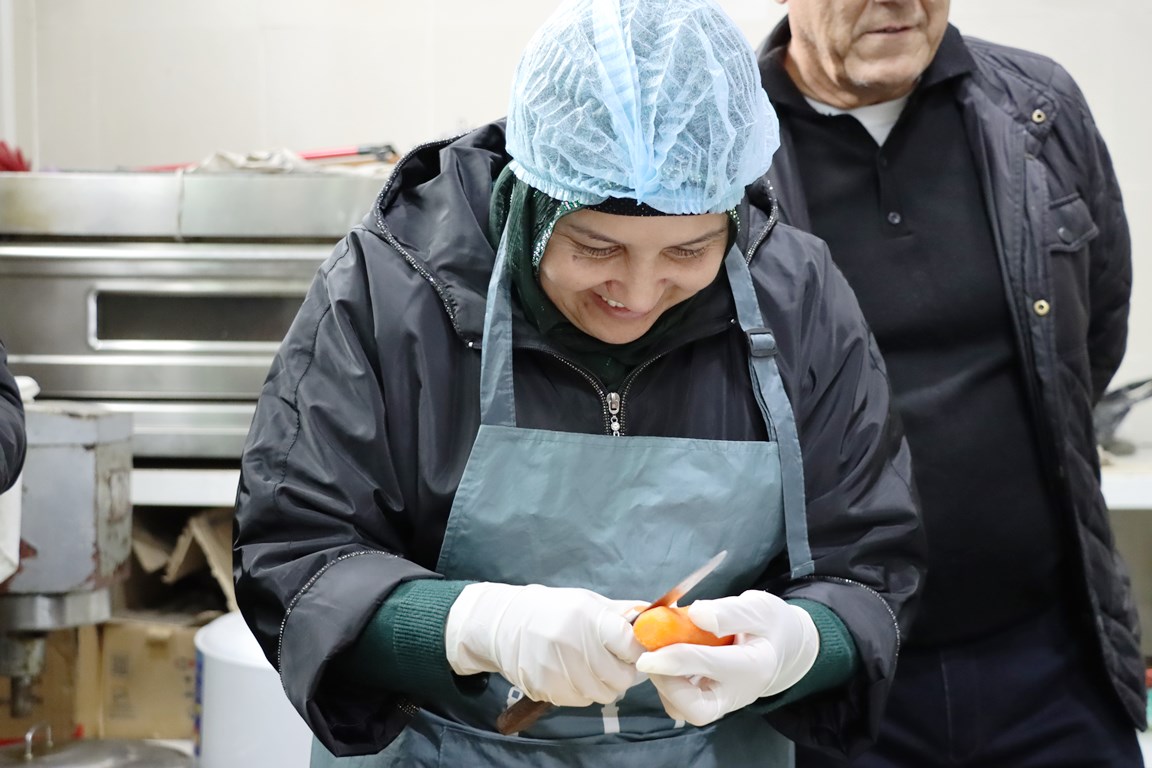
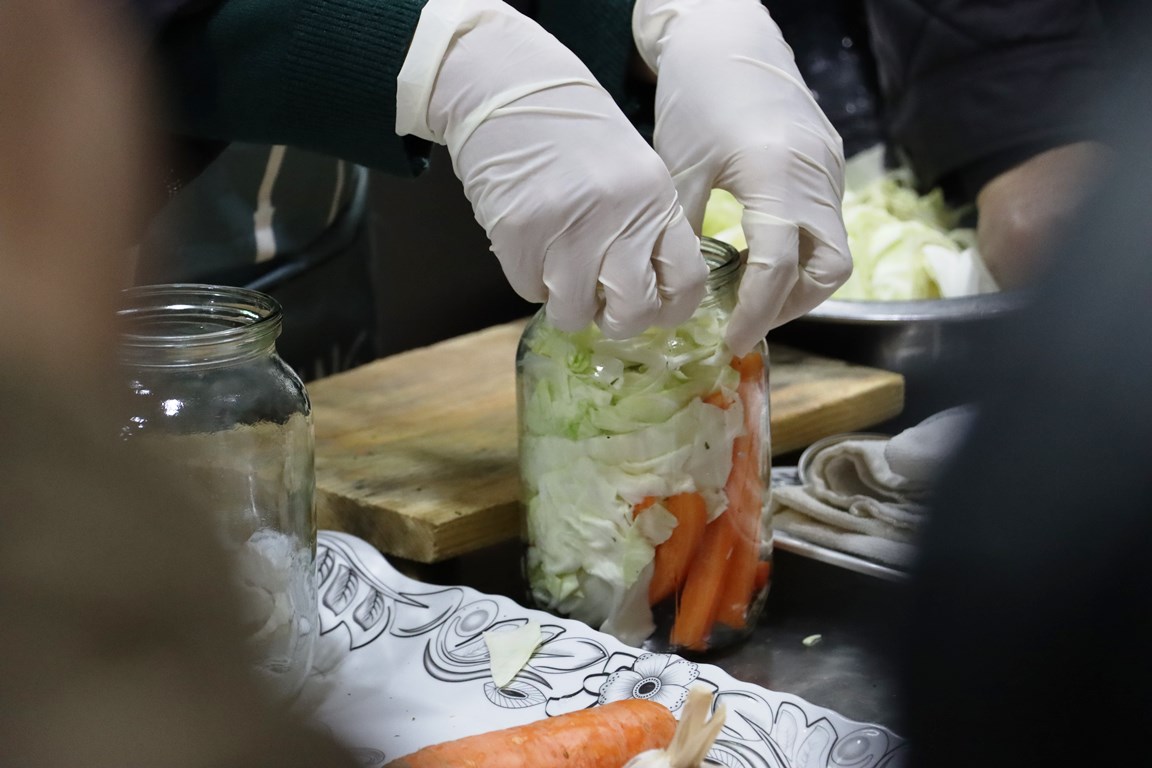
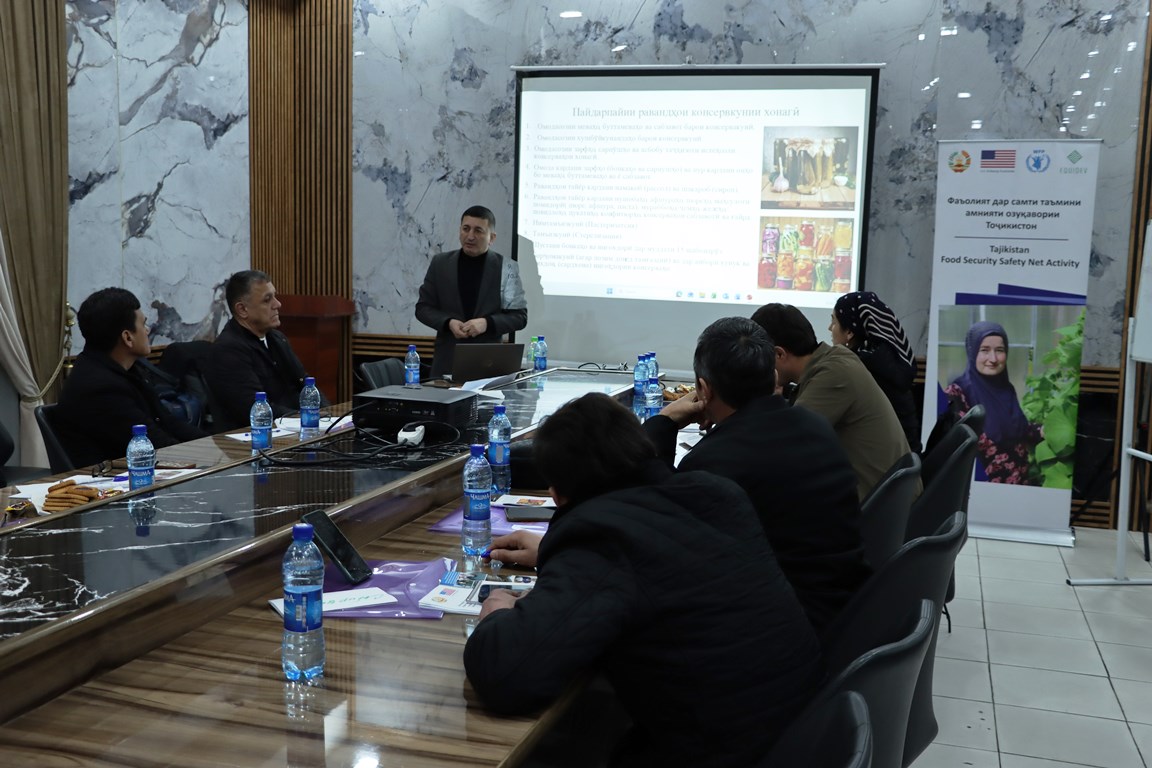
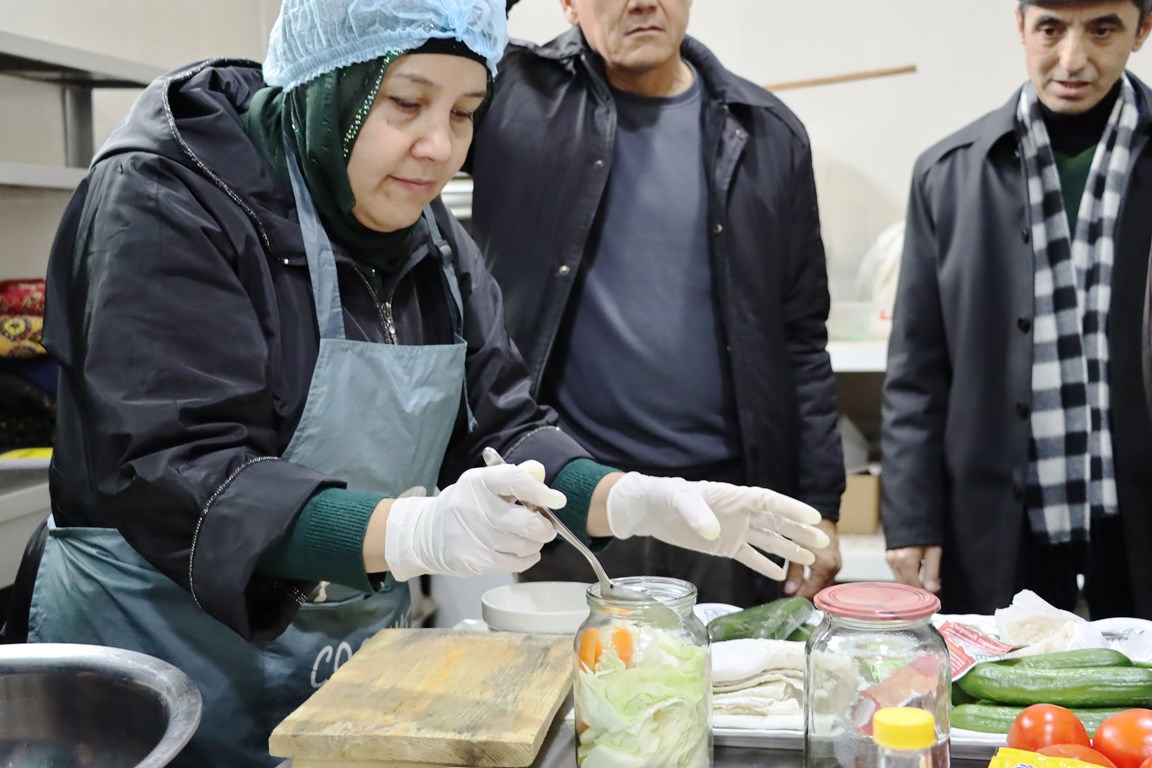
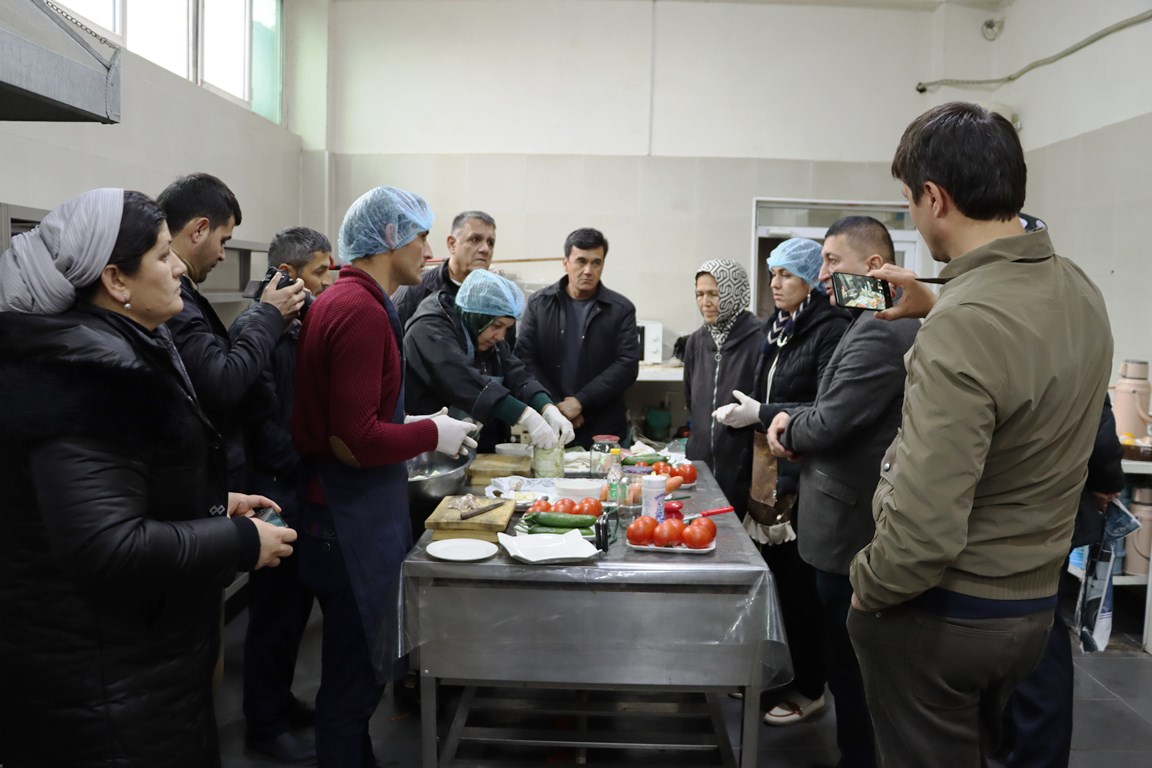
A second Training of Trainers concentrated on food preservation and safe canning technologies, preparing nine food technologists to help households reduce food loss and safely store nutritious products throughout the year. Participants covered safe food handling, nutrition-sensitive production, hygienic processing methods, standardized canning techniques, and proper storage practices for fruits and vegetables.
Designed as highly interactive sessions, the trainings encouraged discussion and exchange of local experience rather than traditional classroom instruction. Participants worked through real-life challenges faced in rural communities, turning theory into practical solutions ready for immediate use.
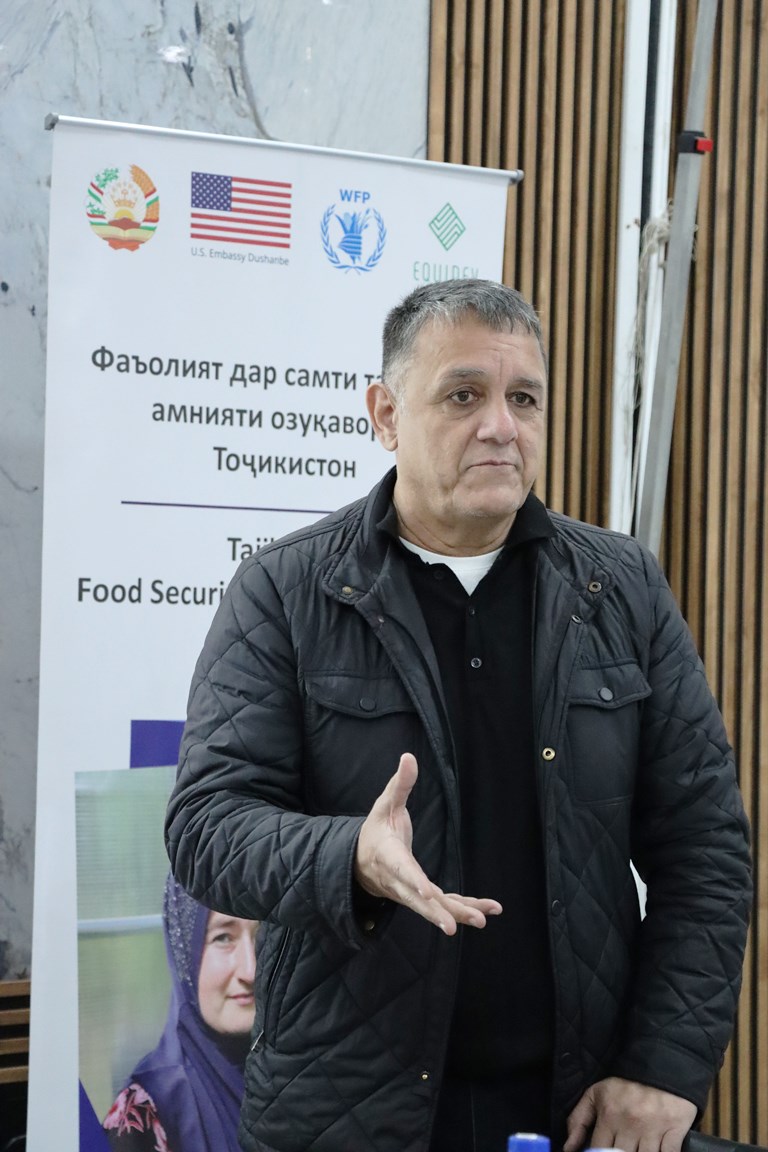
For many participants, the practical focus of the training was especially important. “This training gave me practical skills I can immediately use,” said participant Umeda Rahimova from Khuroson. “I feel confident to teach other women how to safely preserve food and start small home-based businesses. These skills are truly needed in our villages.”
“By investing in local trainers, we are investing in long-term change,” noted trainer Matlub Rahmonov. “Each trained facilitator will pass this knowledge forward, reaching dozens of households and helping families improve food safety, nutrition, and overall health.”
With trained specialists now available locally, communities in Khatlon will benefit from ongoing support through on-the-job training, household demonstrations, and group practice sessions. From kitchen gardens and mini-greenhouses to safe food preservation at home, the initiative aims to help rural families improve year-round access to nutritious food while creating new income opportunities.
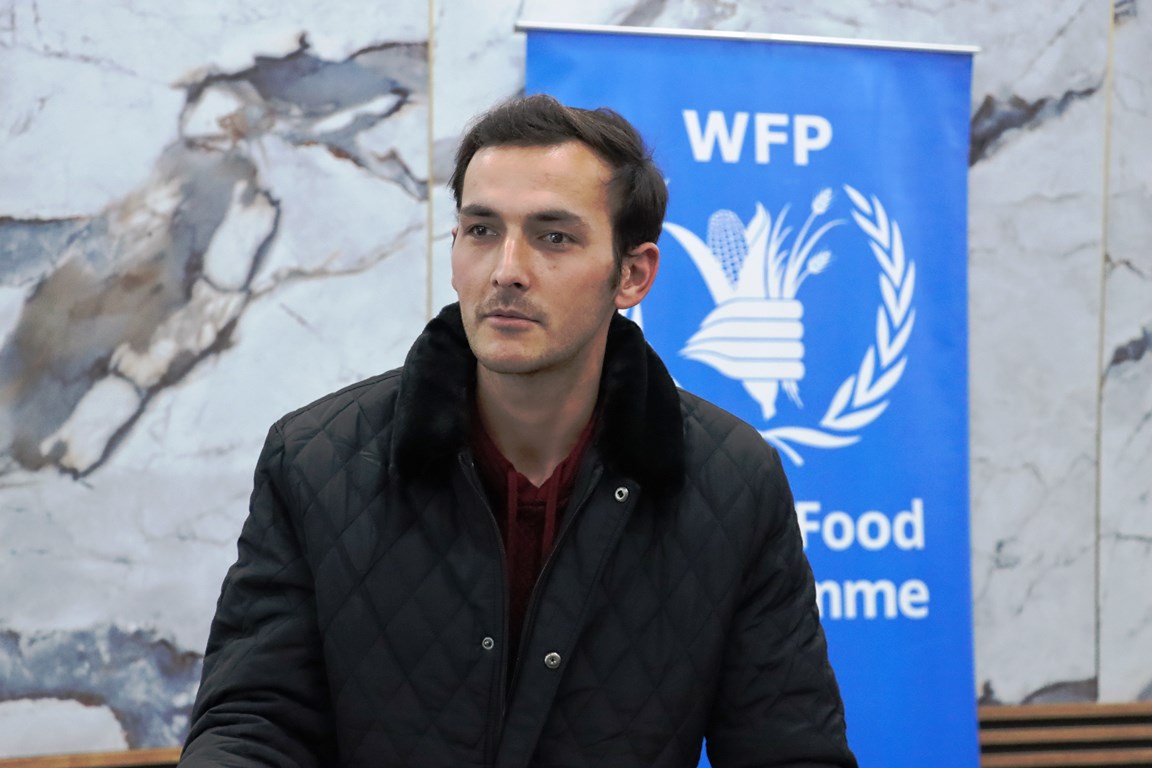
The Training of Trainers programmes were conducted under the Tajikistan Food Security Safety Net Activity implemented by the World Food Programme with funding from the United States Government. The initiative addresses immediate food needs while enhancing resilience in at-risk communities, and integrates unconditional food assistance, cash-for-assets projects, and ongoing food security and market monitoring to support households in establishing a more secure future.