
Updated as of 20 February 2026
Tajikistan Food Security Safety Net Activity
Community-Based Capacity Strengthening for Women on Food Safety and Sustainable Household Production Subproject
Funded by the Government of the United States through World Food Programme
Implemented by Equidev Tajikistan
Duration: January-April 2026
Geographical coverage: Khuroson, Vakhsh, Vose, Panj
Focus areas: Сlimate-smart agriculture, home-based food production
Beneficiaries: 23 trainers, 40 women leaders, 600 women farmers
Overall
Vulnerability in Tajikistan stems from a combination of food security, nutrition, economic, and environmental factors. The “Tajikistan Food Security Safety Net Activity”, funded by the Government of the United States, and implemented by the World Food Programme, aims to strengthen food security for the most vulnerable populations facing worsening food insecurity. The Activity aims to enhance the social safety net for preparedness and resilience to address the socioeconomic consequences of rising food prices in Tajikistan.
Under this Activity, Equidev Tajikistan implements a subproject to enhance food security, nutrition, and household resilience of vulnerable female farmers in Khatlon. This goal is achieved by improving their knowledge, skills, and practices in safe food production, processing, and climate-smart home gardening.
The four target districts—Khuroson, Vakhsh, Vose, and Panj—are located in Khatlon, Tajikistan’s most productive agricultural region.
Objectives
1: Improve women’s knowledge and skills in climate-smart agriculture and home-based food production.
2: Strengthen women’s capacity to apply safe food processing, preservation, and hygiene practices to reduce food loss and improve dietary diversity.
3: Support households with essential tools, materials, and greenhouse inputs to enable immediate adoption of improved production and preservation practices.
4: Enhance localized support systems through agronomist deployment, peer leadership, and structured follow-up.
5: Strengthen behaviour change toward safe, nutritious, and climate-resilient household practices.
Women will learn:
Safe canning of vegetables, pickle preparation, and fruit drying
Simple packaging techniques for dried products (apricots, herbs, tomatoes)
Climate-smart vegetable production and greenhouse basics
Food safety and preservation methods
Basic household accounting, record-keeping, and enterprise planning
Outcomes
Improved yields in kitchen gardens and year-round vegetable availability
Adoption of safer, standardized food processing and preservation methods
Reduced post-harvest losses and improved dietary diversity
Increased household income through small-scale sales of processed foods
Enhanced skills in business planning, accounting, and record-keeping among women
Greater resilience of female-headed households to food insecurity and seasonal shocks
Strengthened community networks and women’s participation in local agricultural systems
Results
6 practical, low-cost, and locally relevant training modules has been developed to equip communities with applicable, real-life skills.
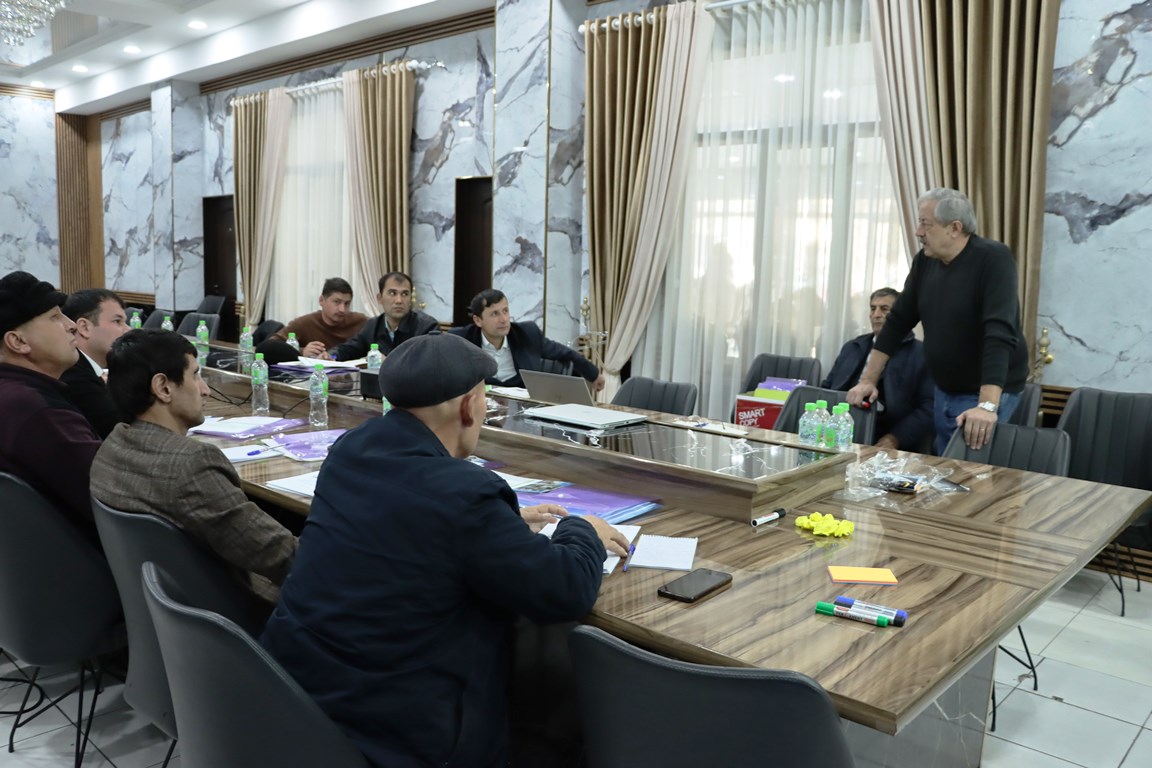
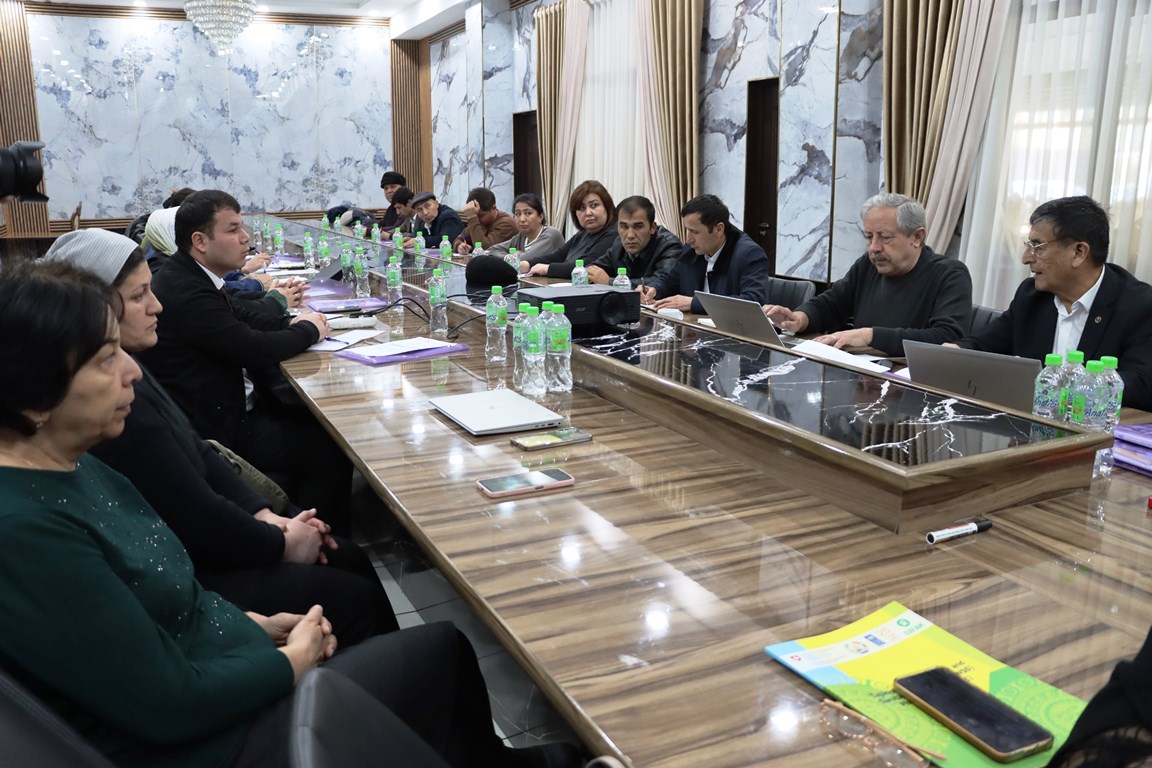
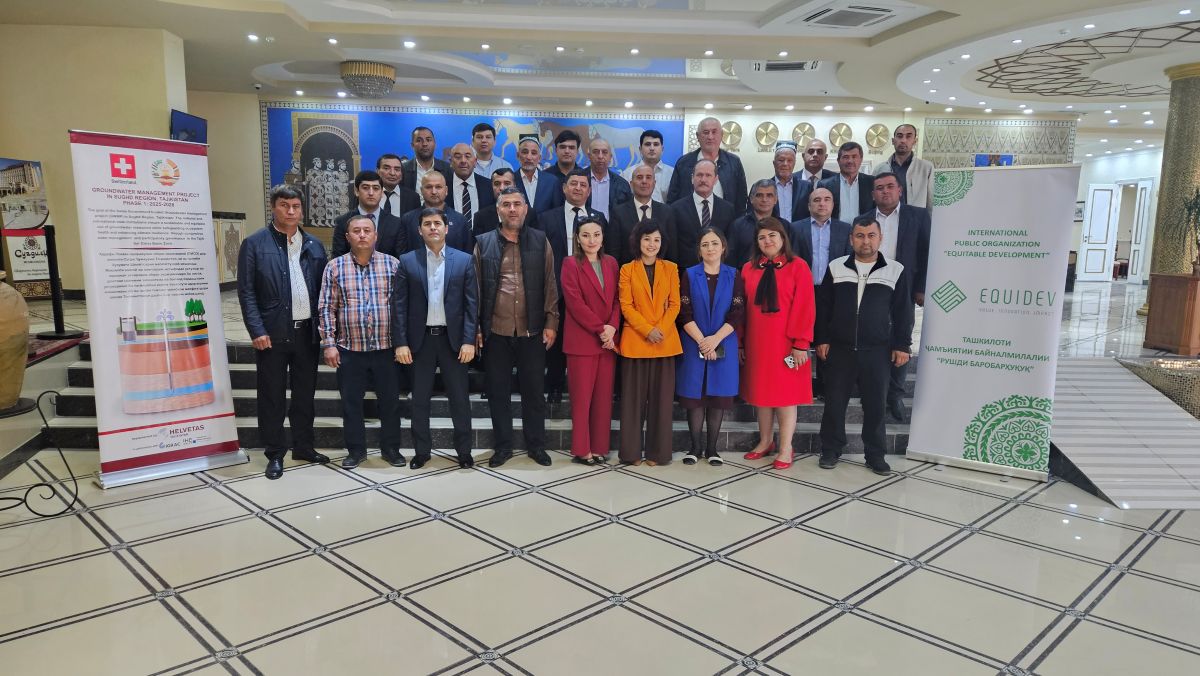
2 Trainings of Trainers were conducted, strengthening local capacity and ensuring knowledge stays within the region.
The ToTs focused on safe cultivation and greenhouse management, as well as food preservation and safe canning technologies.
19 local trainers are now prepared to cascade this knowledge further — multiplying impact across communities.
All training content aligns with the nutrition-sensitive programming approach of the World Food Programme, ensuring quality, relevance, and long-term sustainability.
About Equidev
Equidev is an international public organization providing expert development solutions and technical support to advance sustainable development and equitable growth in Central Asia. Equidev is uniquely positioned to implement this project rapidly and effectively due to its long-standing presence, strong partnerships, and extensive programming experience.