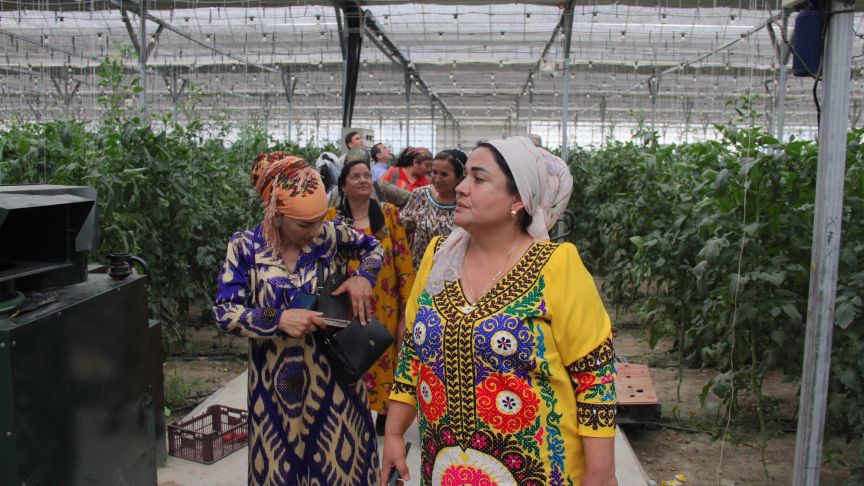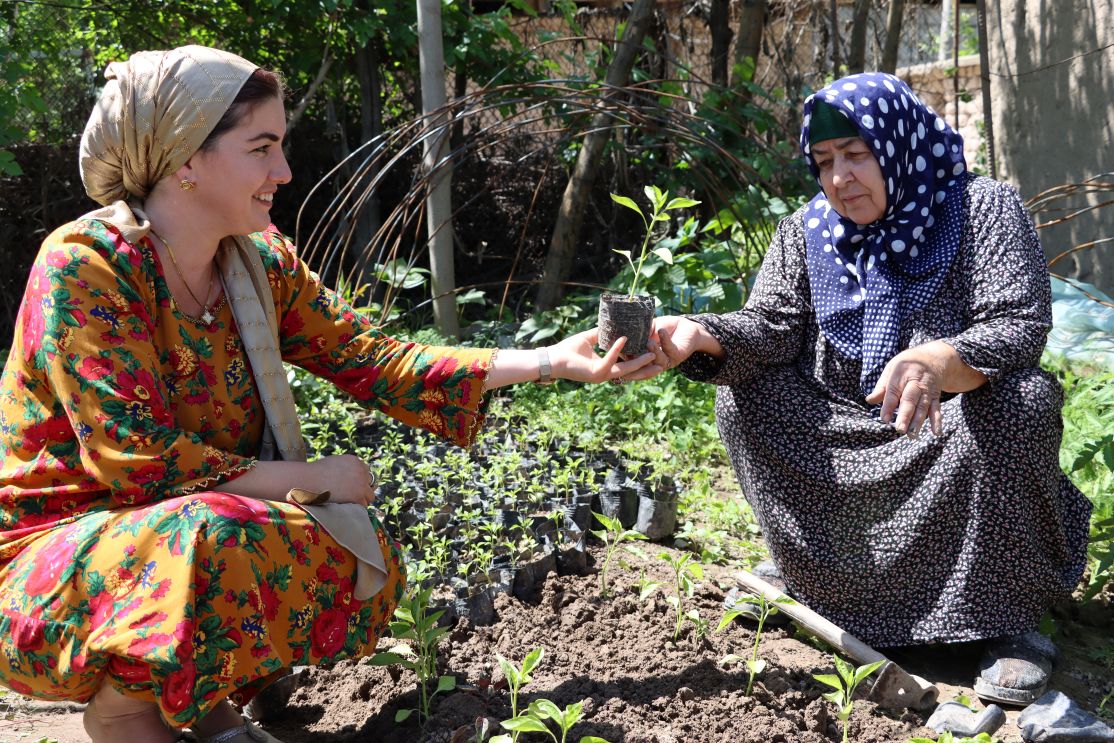
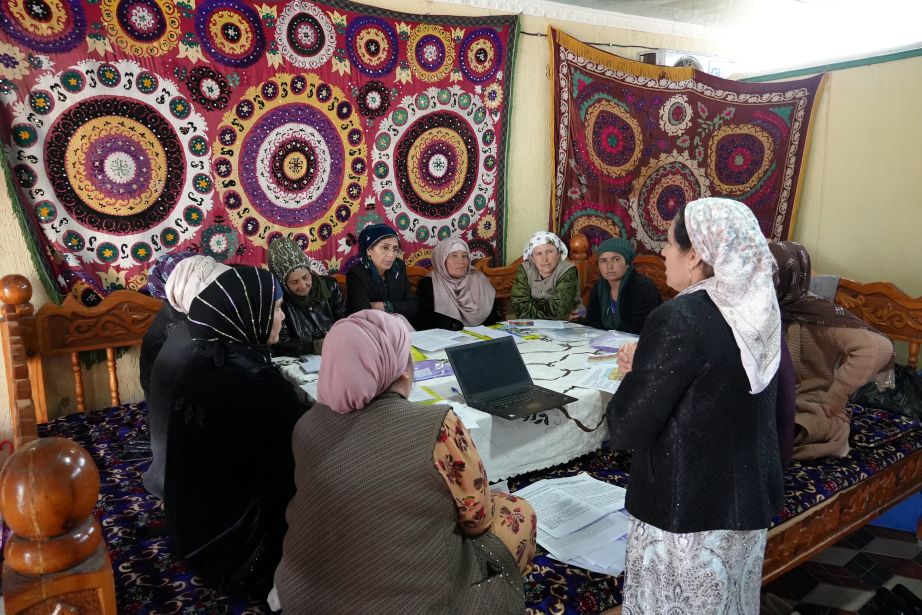
In the fertile fields of Khatlon province, where rural families rely on small gardens and seasonal harvests, something steady and consequential is beginning to take shape in everyday life. It moves through conversations between women, through shared techniques, and through knowledge passed from one household to another.
Much of this work is being carried forward by women who are trained not only to learn, but to teach others how to grow, preserve, and safely use their food.
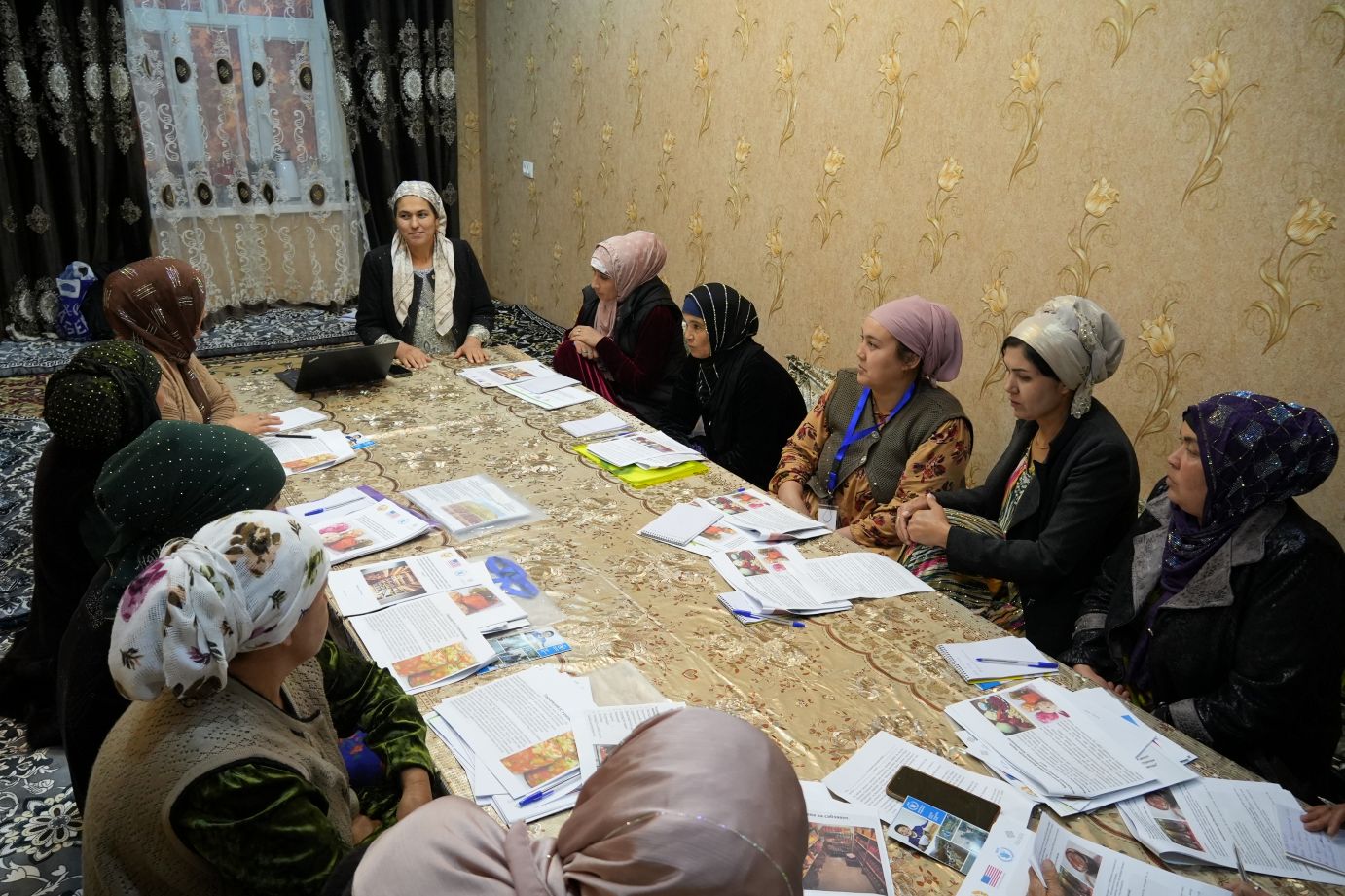
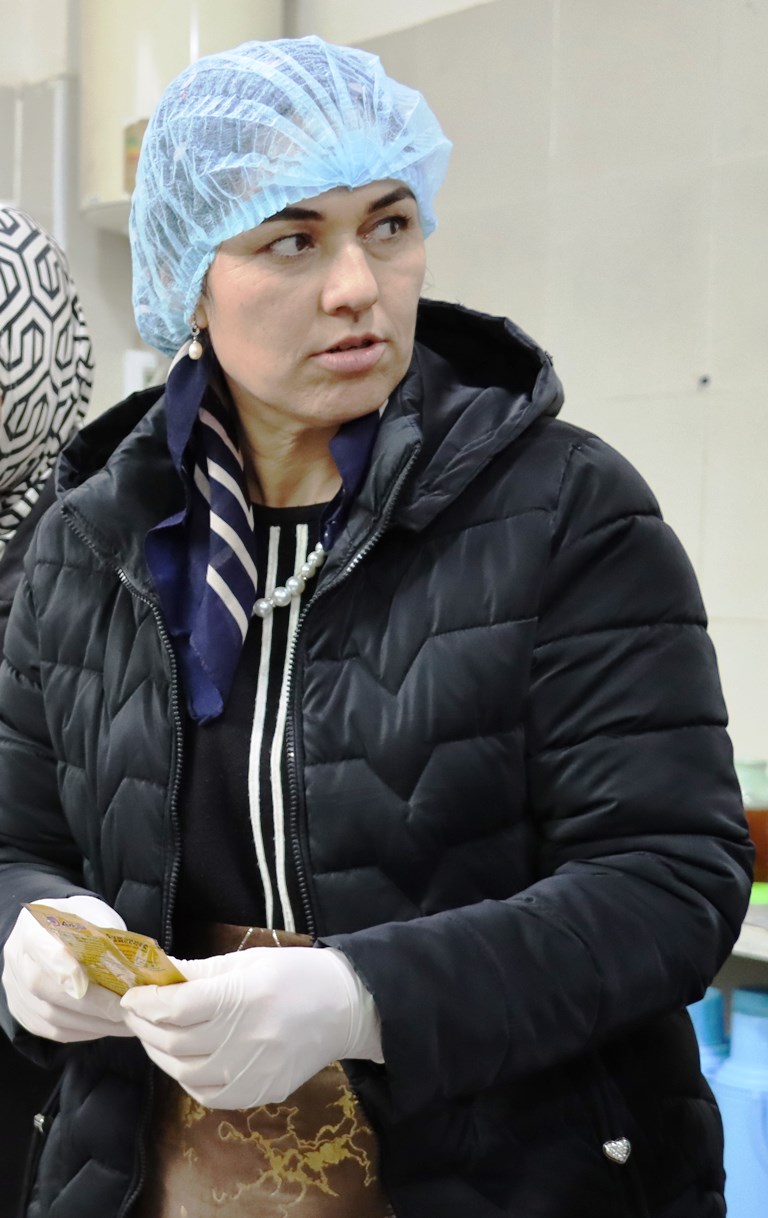
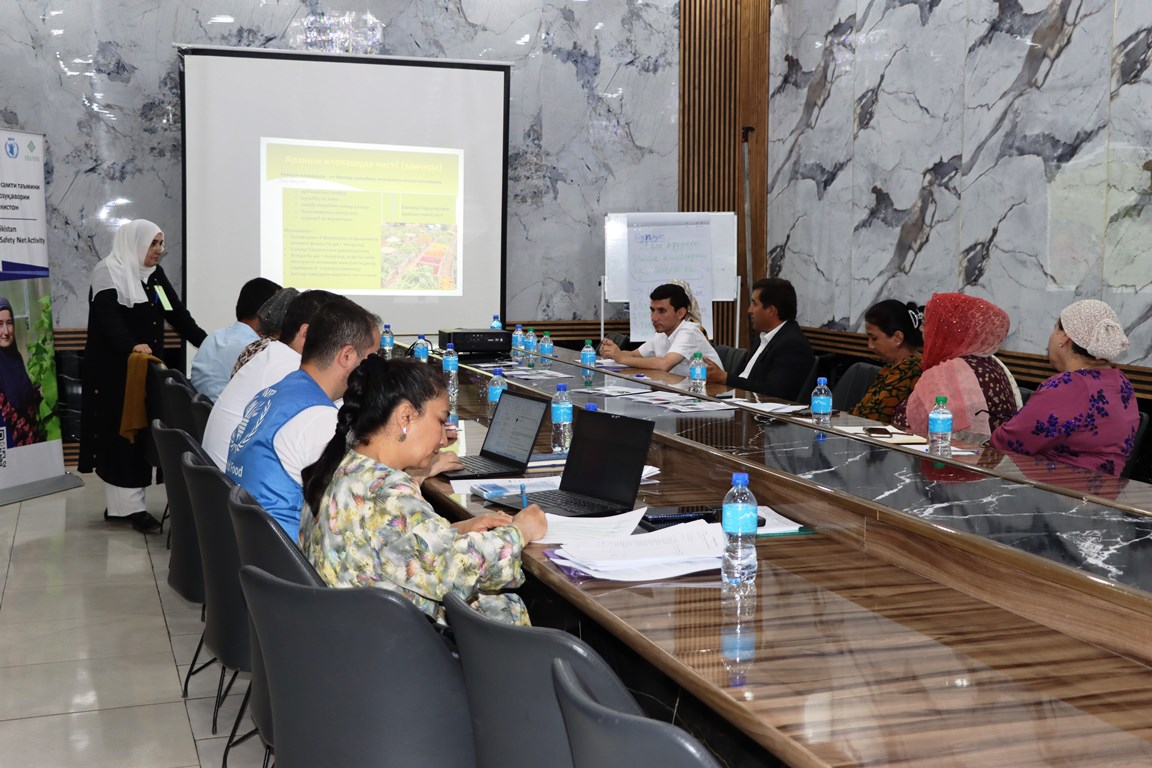
Among them is Umeda Rahimova, a local food technologist, mother of four, an experienced rural trainer. With years of work in agriculture and community education behind her, she has long supported rural women across Tajikistan. Today, her work is helping bring practical food safety and agricultural skills directly into households in her home land.
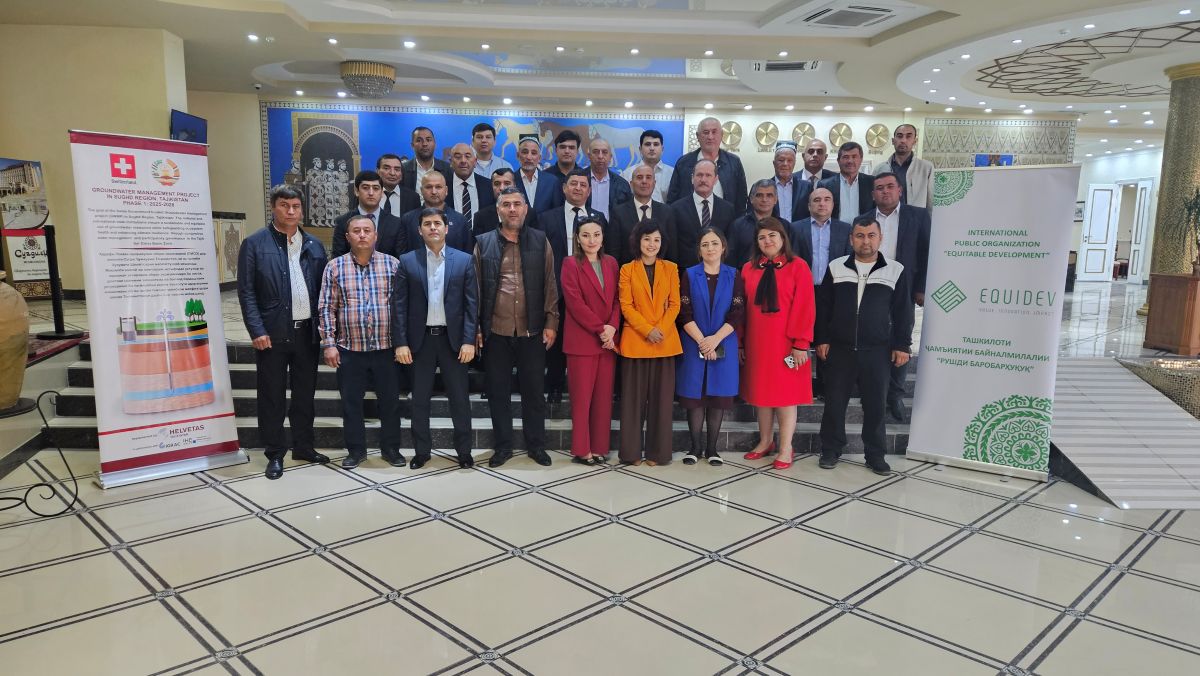
Her efforts are part of the World Food Programme Tajikistan Food Security Safety Net Activity, funded by the Government of the United States, and implemented with partners including Equidev. Under this initiative, the U.S. Government support helps strengthening the ability of families to produce, preserve, and safely use their own food. Through investment in community-based training and agricultural resilience, this partnership is directly supporting women in some of the country’s most vulnerable rural areas.
A training that turned into responsibility
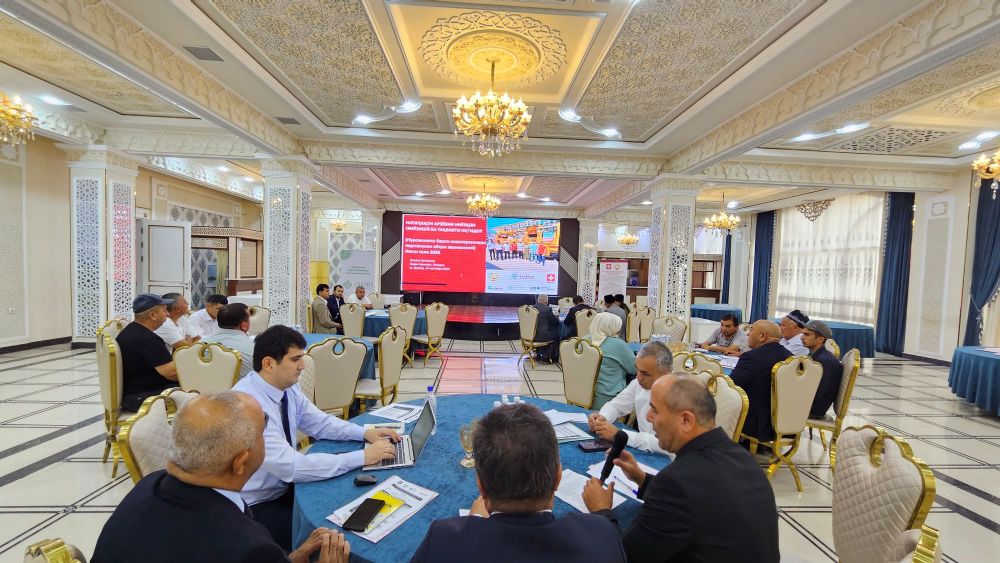
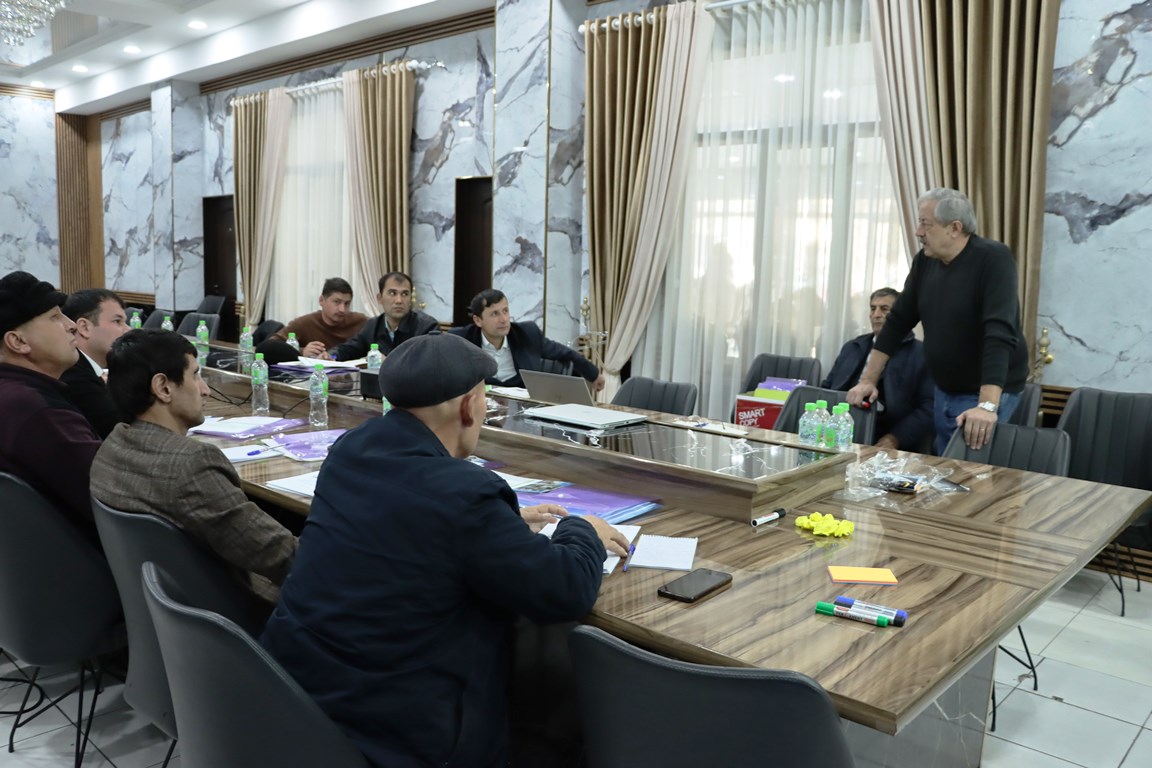
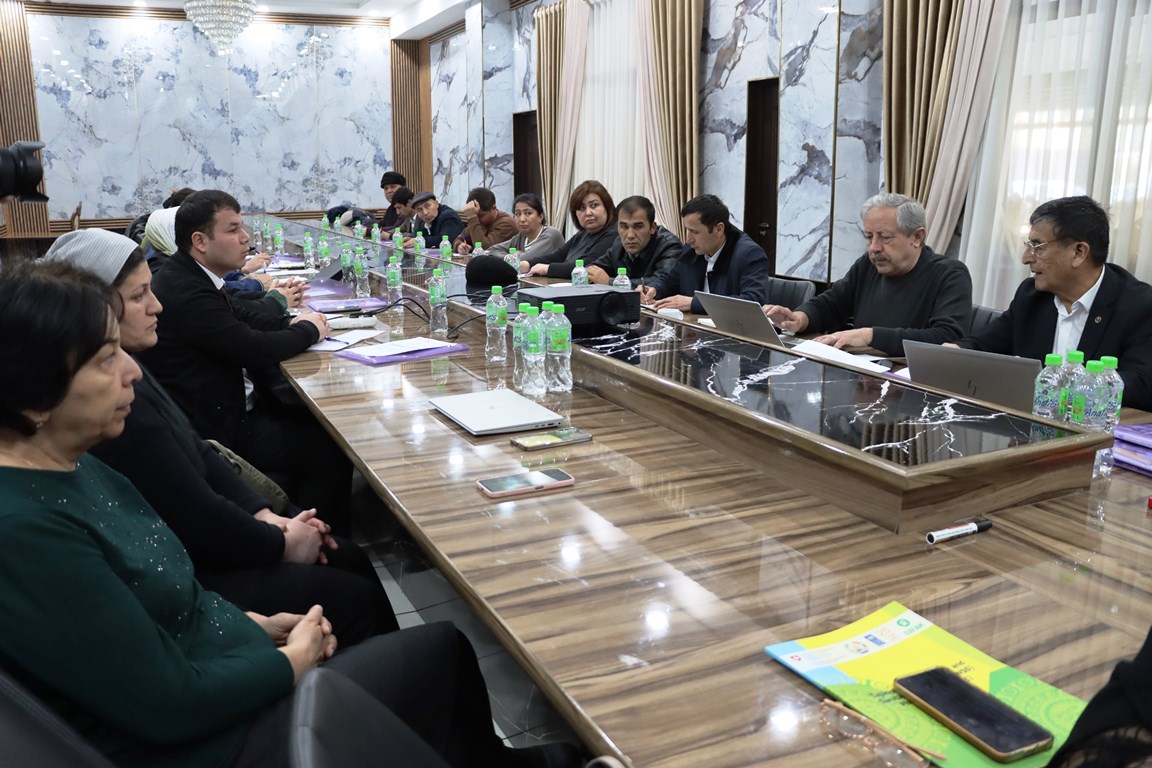
Umeda started 2026 attending Training of Trainers programmes aimed at equipping local specialists with practical skills so they can, in turn, reach hundreds of rural women in their own communities. Each trained facilitator becomes a source of knowledge for dozens of households, creating a chain of learning that extends far beyond a single classroom.
“The ToT trainings gave me practical skills I can immediately use in teaching other women how to safely preserve food and start small home-based businesses. These skills are truly needed in our villages.”
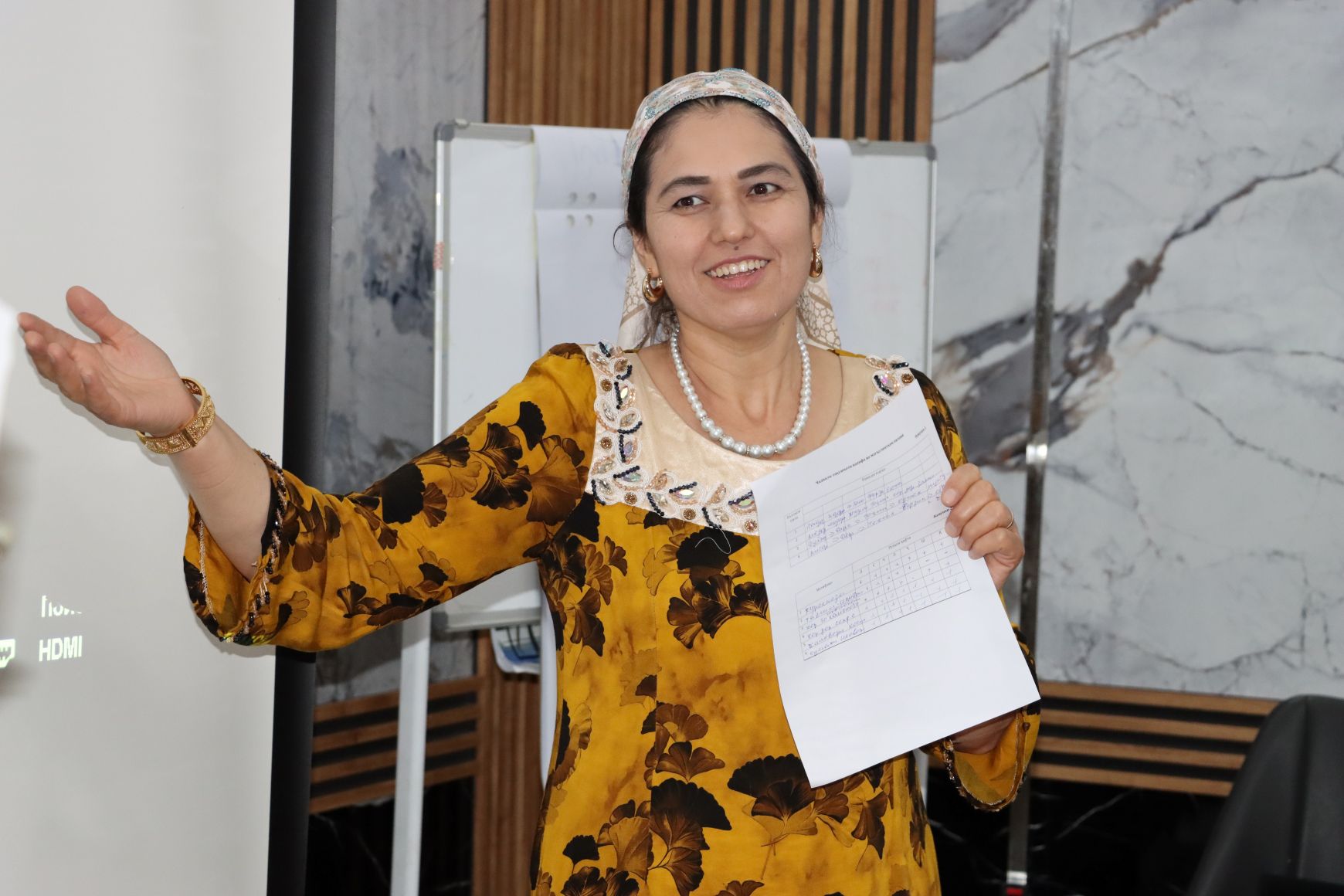
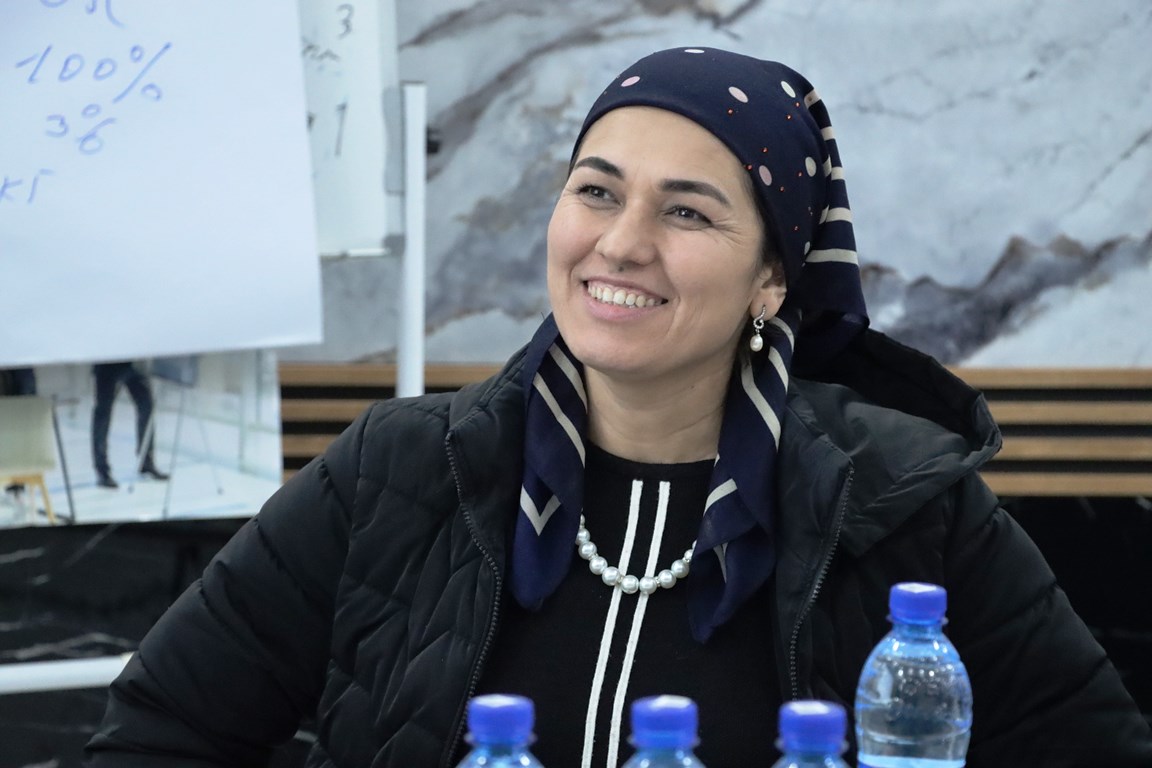
Umeda speaks not only as a trainer, but as someone who knows rural life from the inside,where women quietly carry most of the responsibility for household food systems.
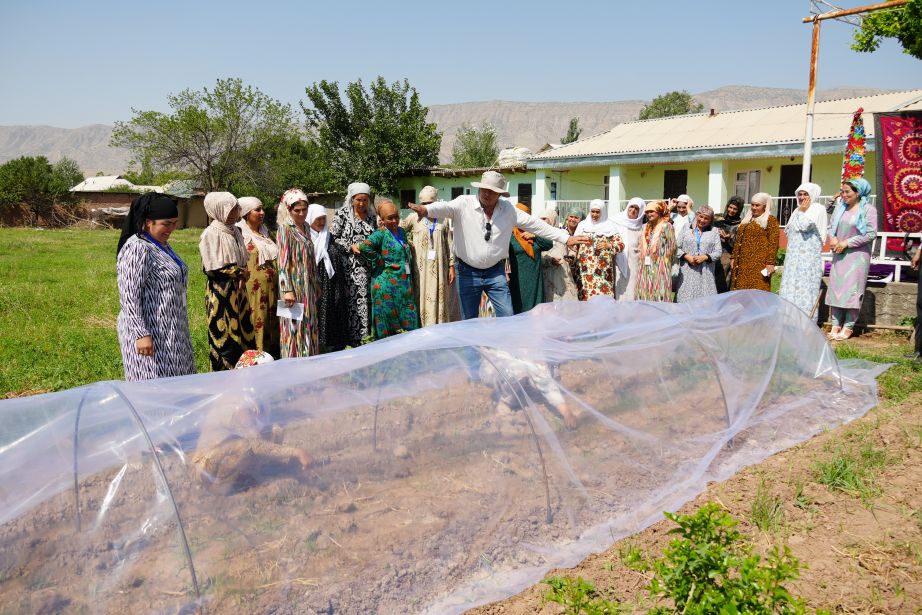
She has already conducted multiple trainings in Khuroson, reaching around 120 women. She describes how quickly new practices travel:from one kitchen to another, from neighbors to relatives, and eventually across entire villages. In practical terms, this means around 120 families are now applying improved methods of food preservation, safer hygiene practices, and more efficient home-based food production thanks to only one trainer.
Now, she is getting ready to train over 150 more women in neighbouring Vakhsh district on how to manage family budget and start small businesses.
Food preservation that protects both health and income
A large part of Umeda’s work focuses on food preservation—an everyday practice in rural households, but one that carries real risks when done incorrectly.
In her sessions, women learn how to properly sterilize jars, preserve vegetables such as tomatoes and cucumbers, and avoid food safety hazards including contamination and botulism. For many participants, these are not abstract lessons—they directly affect the health of their families and the food they depend on.
“Women were especially interested in canning fruits and vegetables, proper storage methods, cleanliness of jars, and preventing food poisoning. They wanted simple, safe ways to preserve food at home,” she explains.
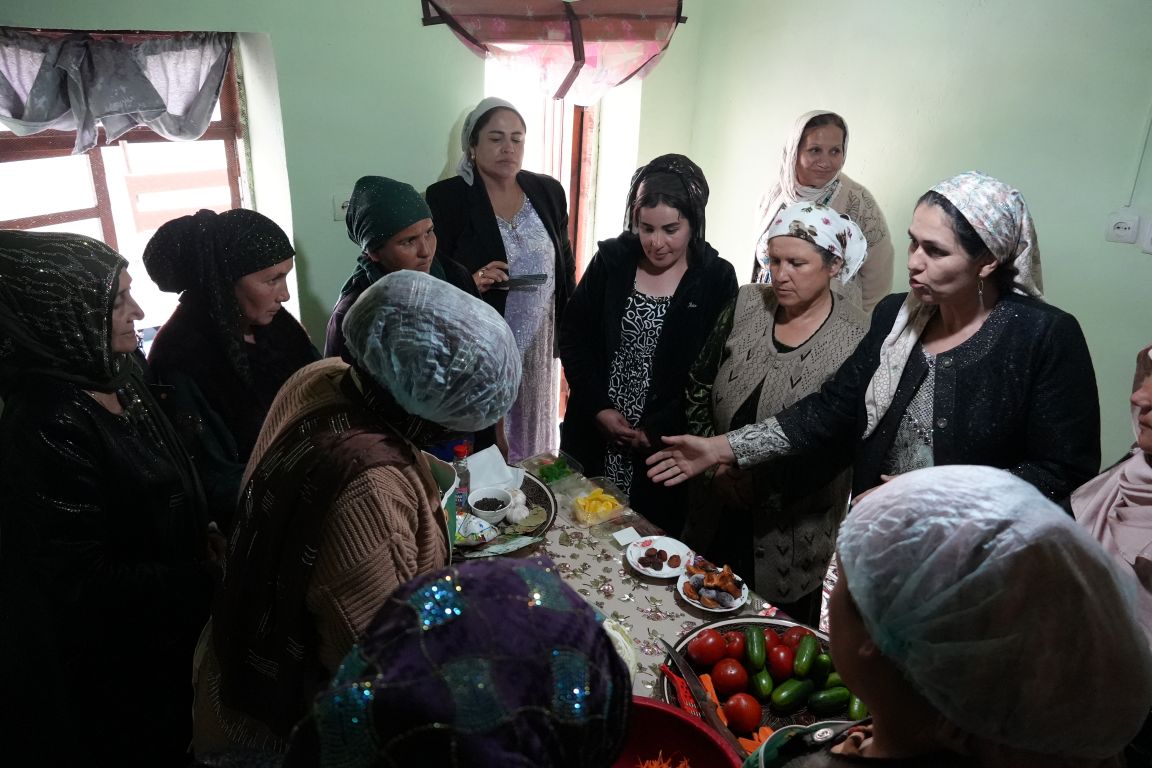
The impact is immediate: less food wasted after harvest, safer meals for children, and new opportunities to sell preserved products in local markets.
This initiative forms part of broader efforts by the United States to support economic resilience, food security, and long-term stability in Tajikistan and across the region. By investing in local skills and agricultural systems, the programme aims to strengthen household self-reliance and reduce vulnerability to seasonal and economic shocks.
Change that begins in the kitchen
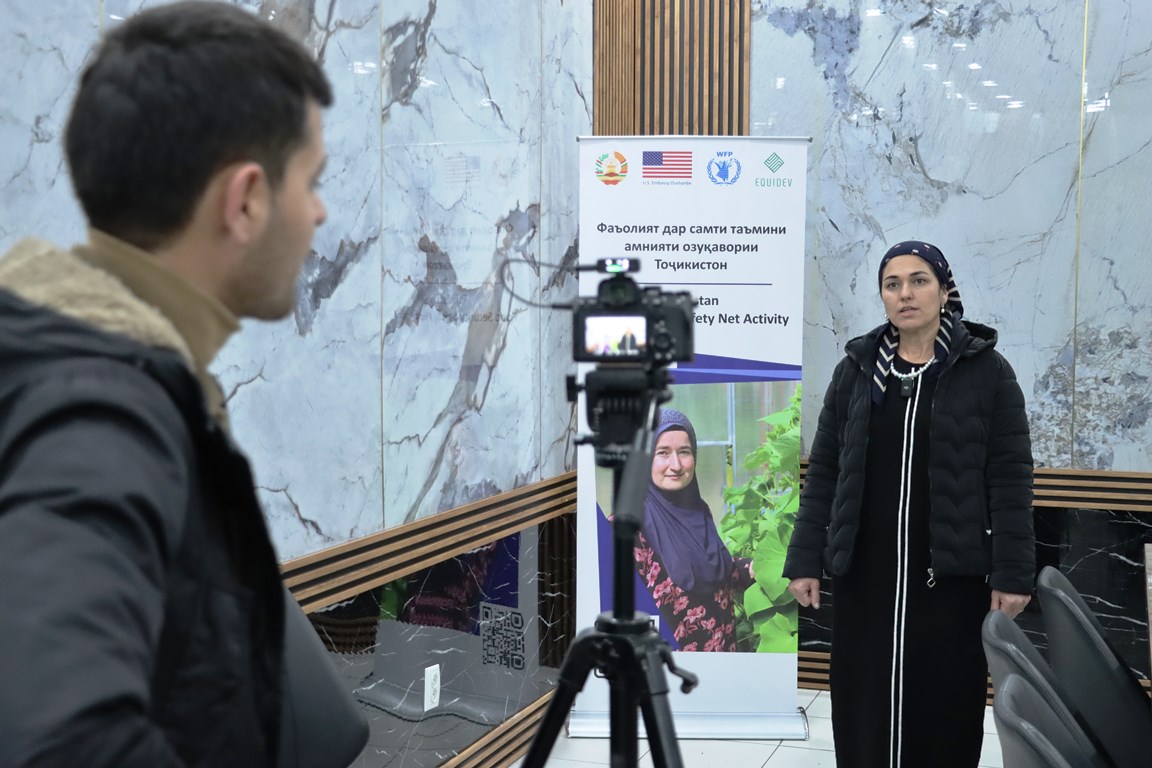
For Umeda, the most meaningful results rarely appear in training rooms. They appear later, at home—when women quietly adjust how they work.
She sees participants returning to their kitchens and changing small but important habits: washing and sterilizing jars more carefully, drying produce differently, and paying closer attention to storage practices. Over time, these changes reduce risks that often go unnoticed but can have serious consequences.
“These trainings help women protect their families’ health and also earn income from home-based products. When food is safe, everything changes.”
A mother, a trainer, and a teacher, Umeda Rahimova represents a form of progress rooted in daily life, where skills move quietly from one household to another and gradually reshape entire communities.