Sometimes improving food security begins not in the field, but around the household table, with decisions about spending, saving, planning, and making the most of what a family already grows.
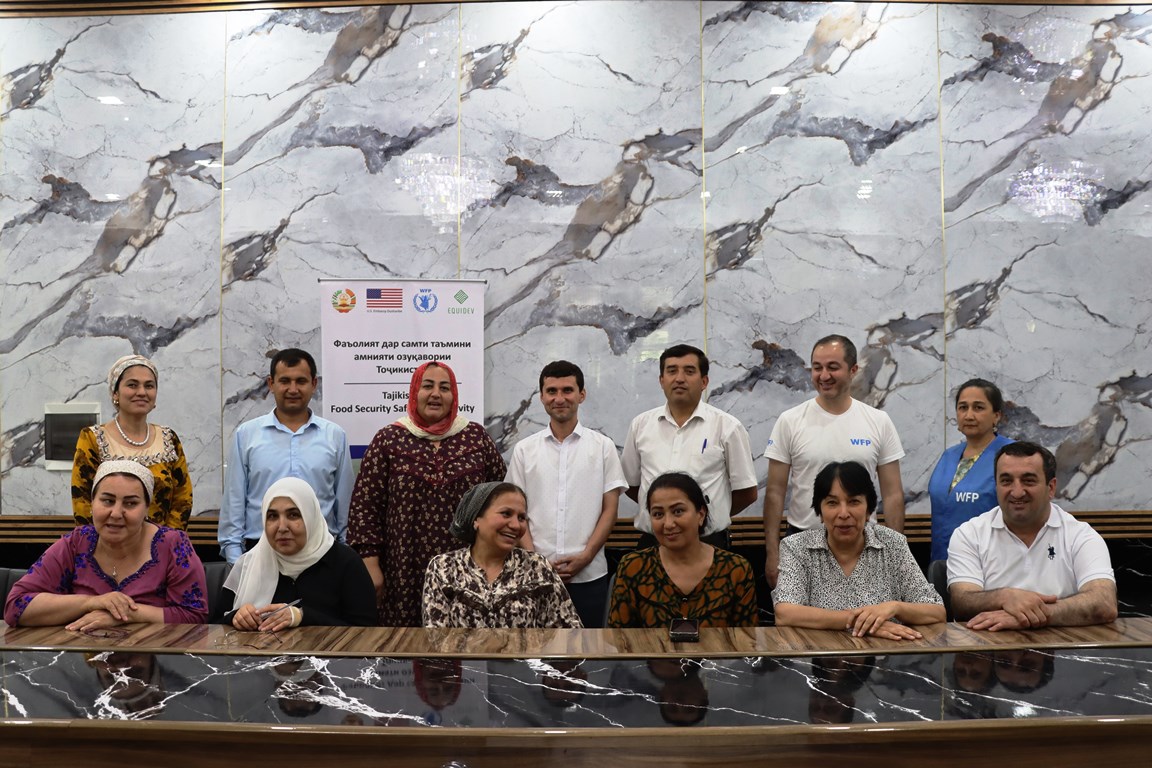
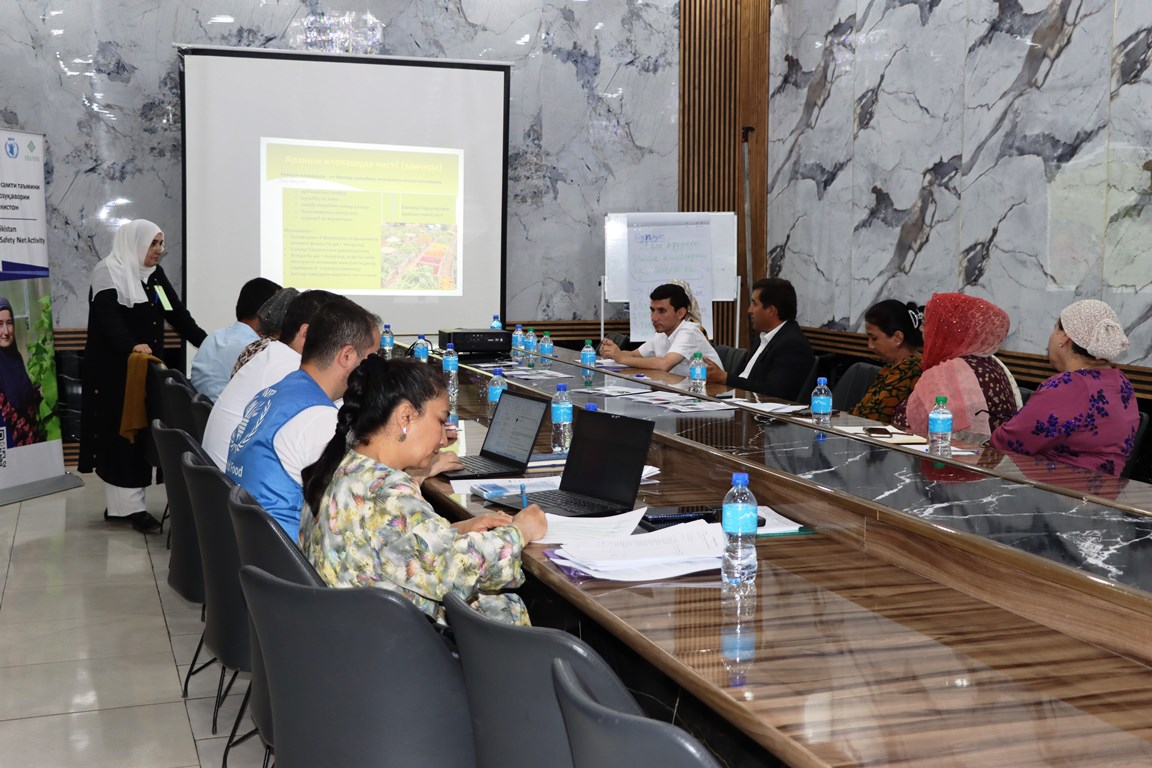
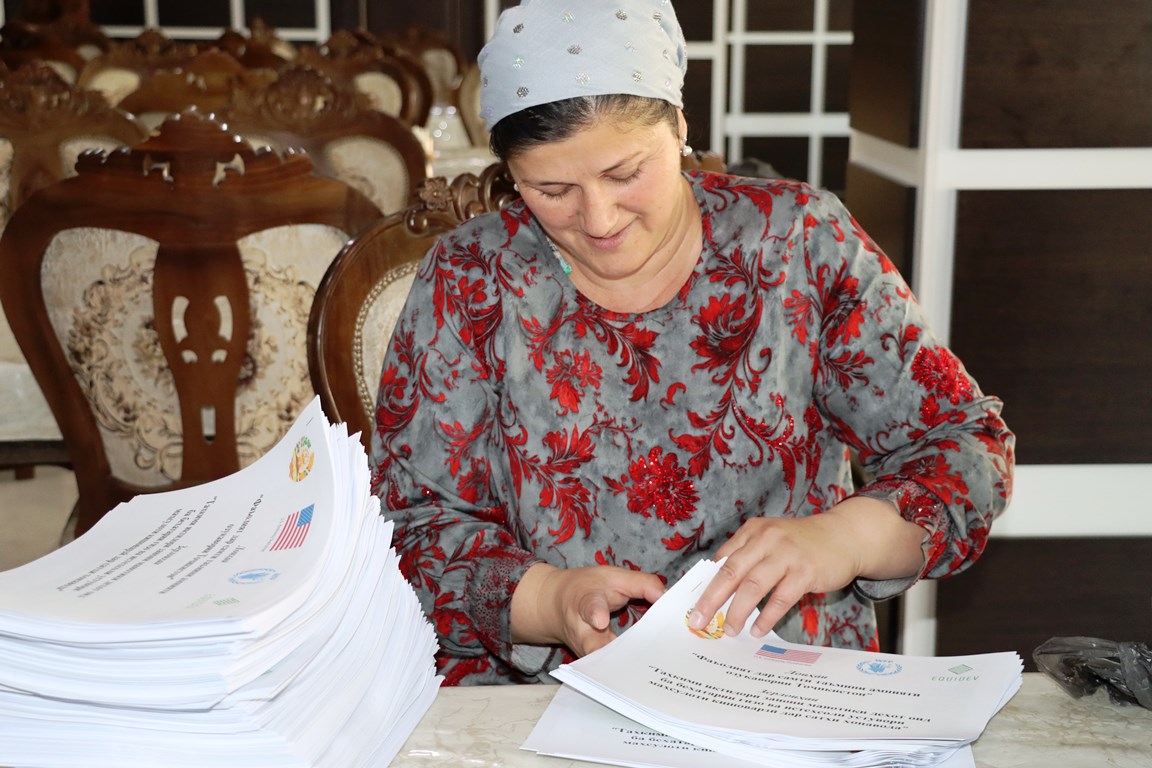
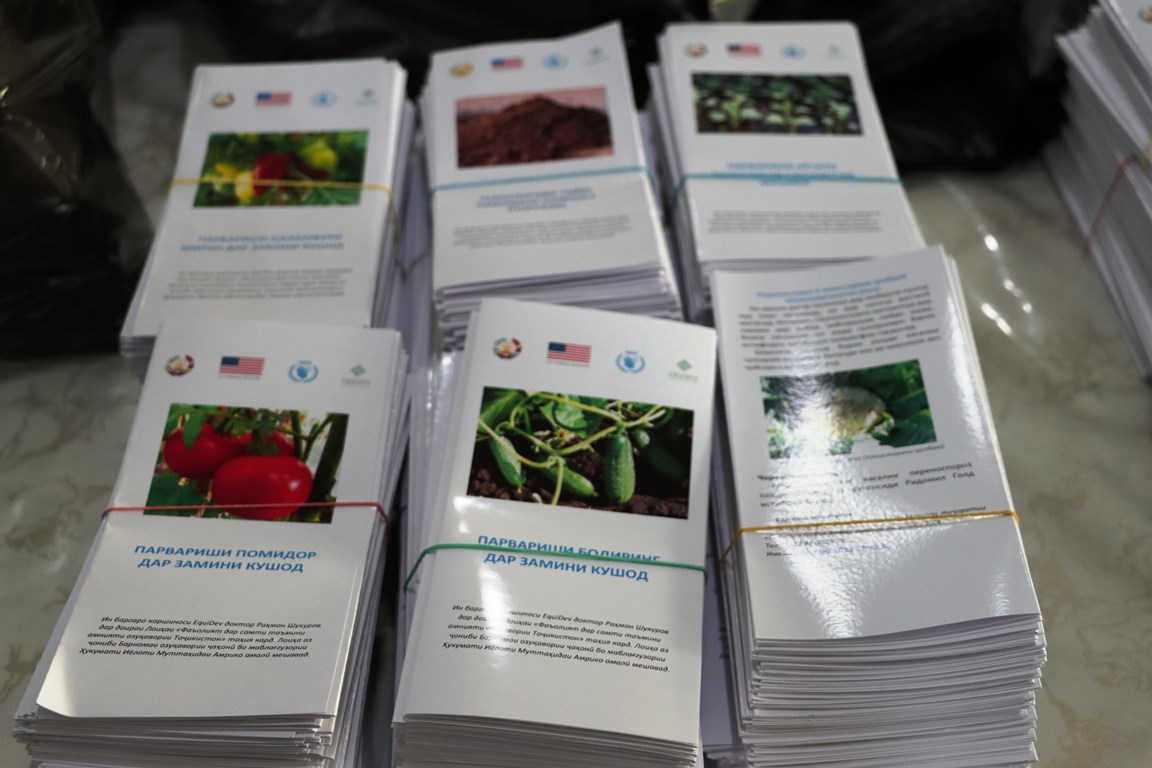
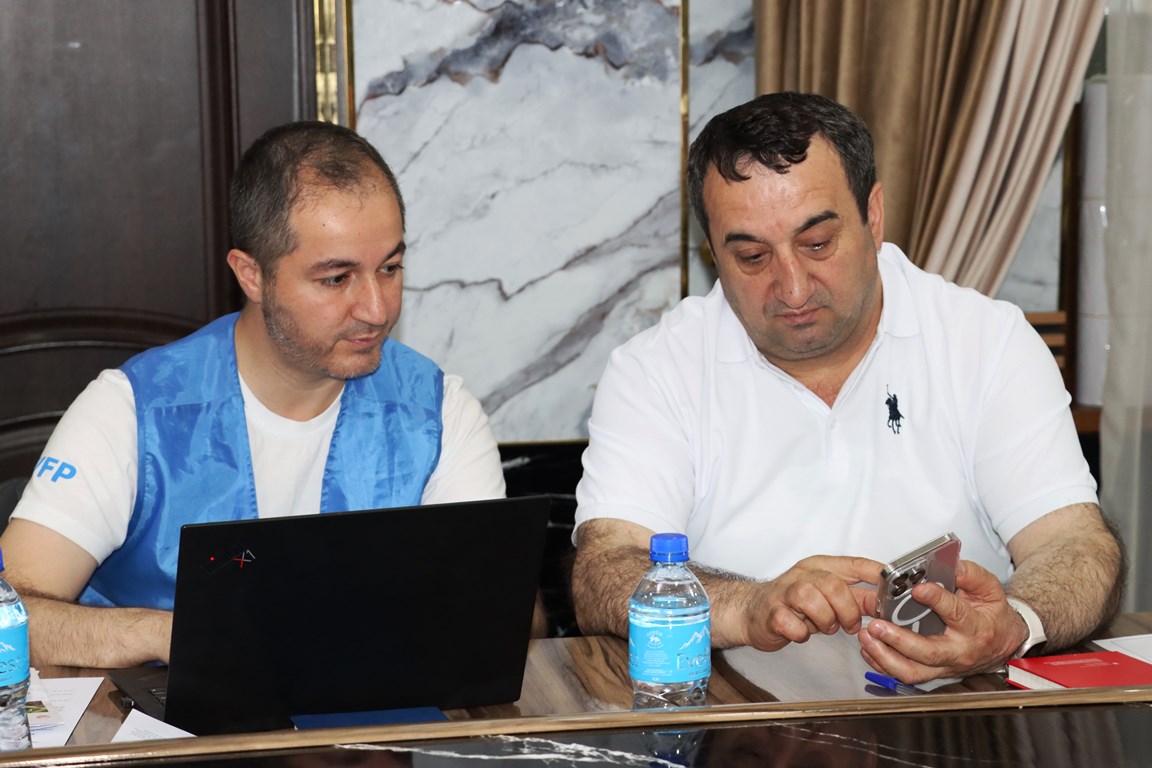
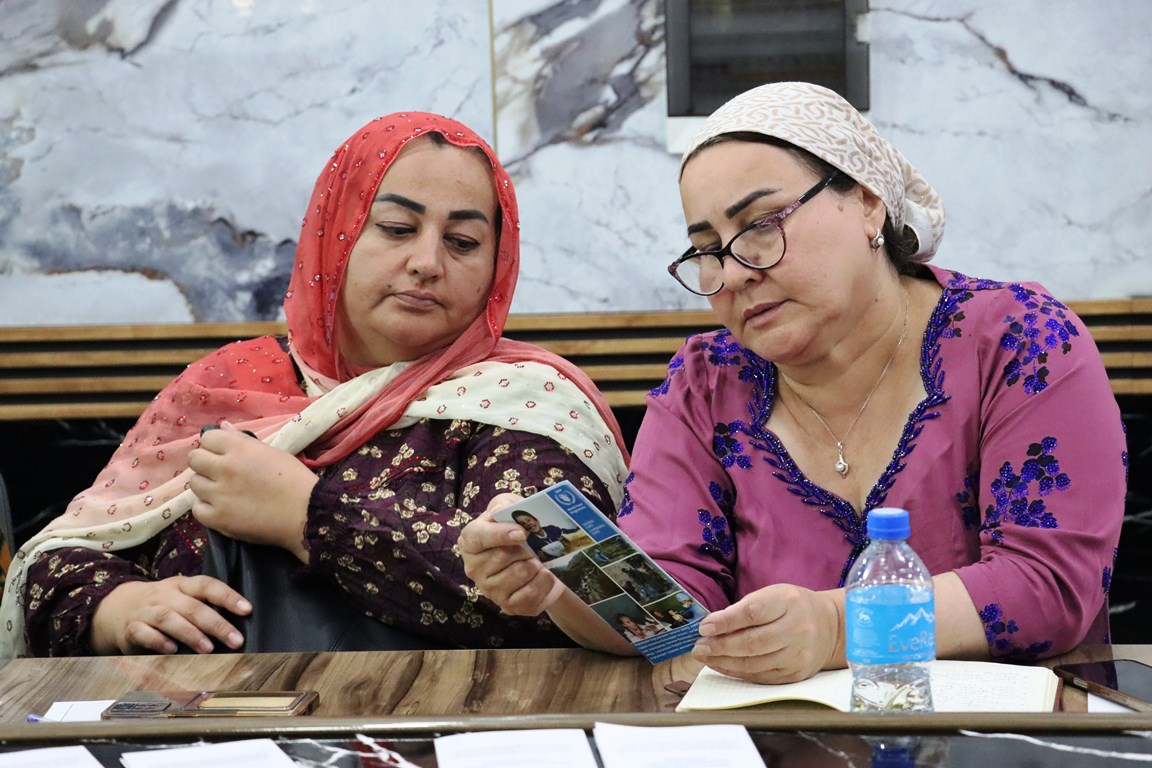
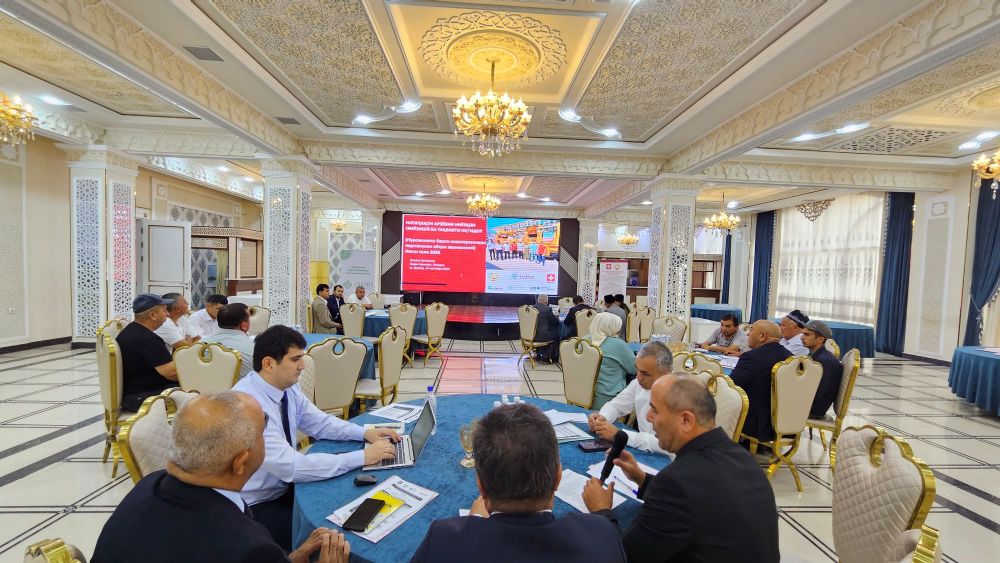
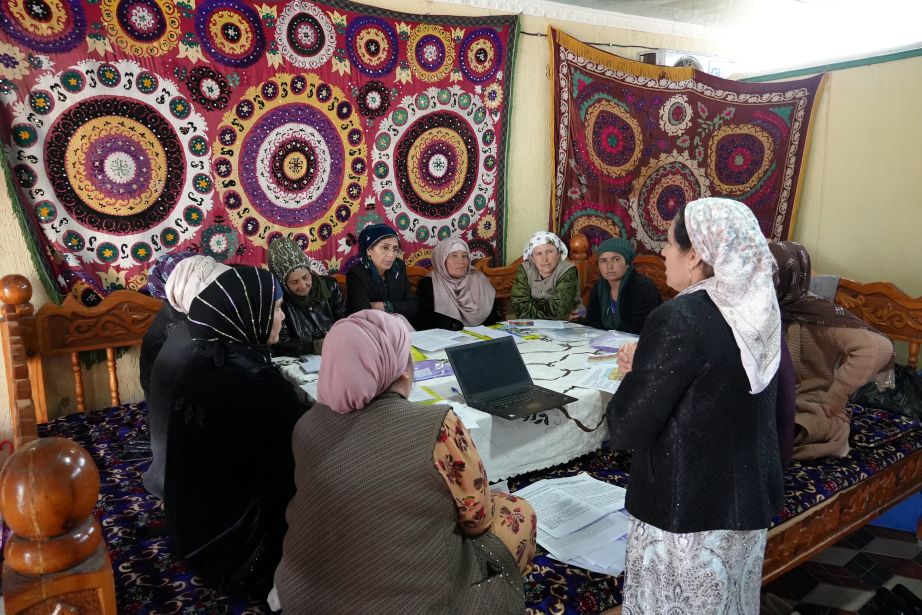
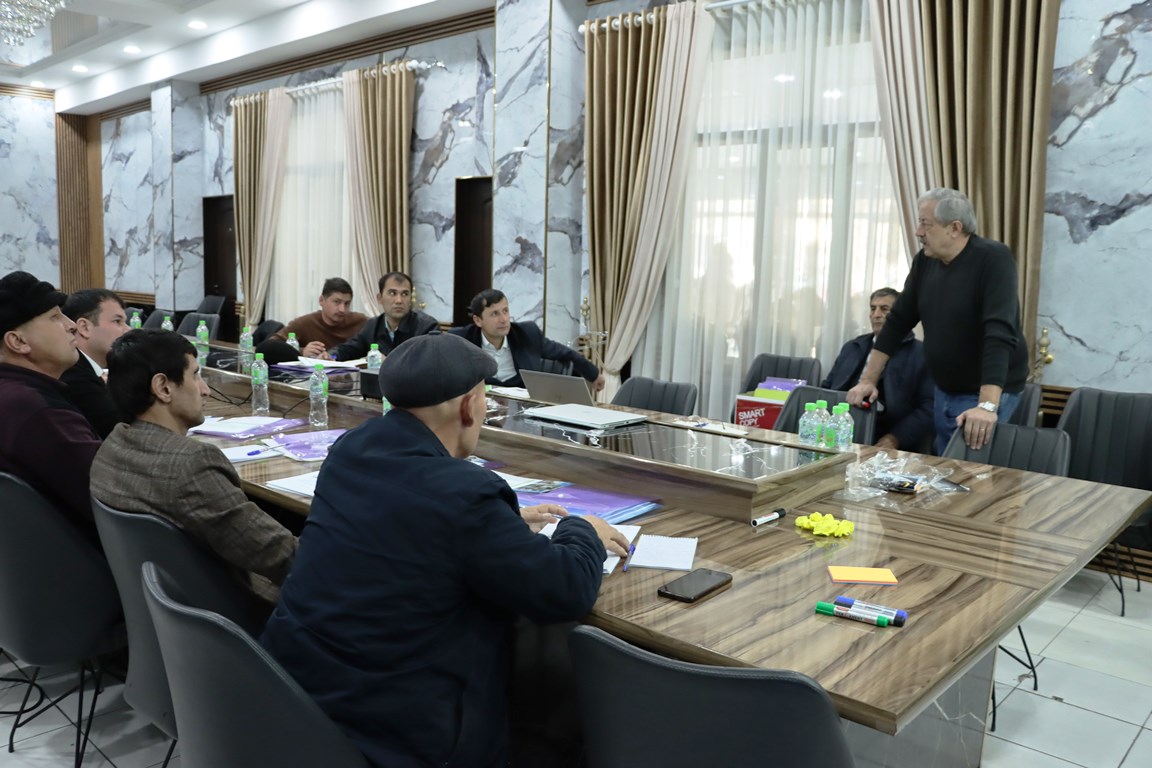
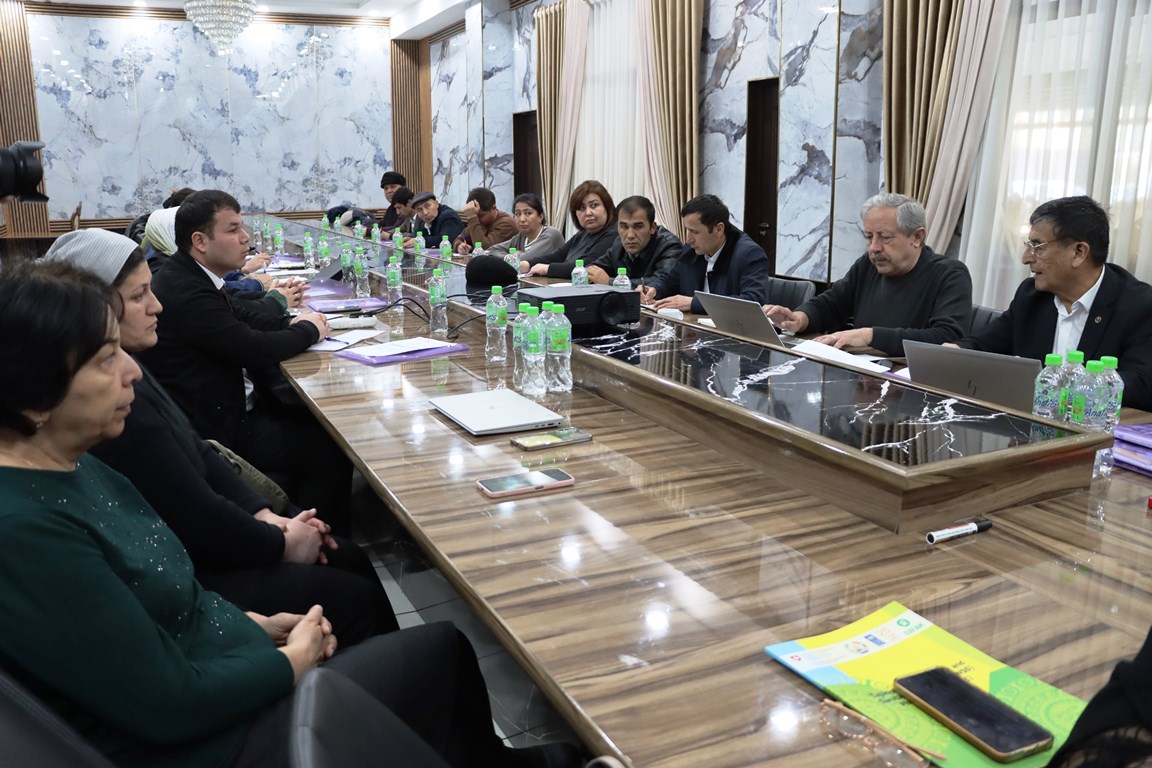
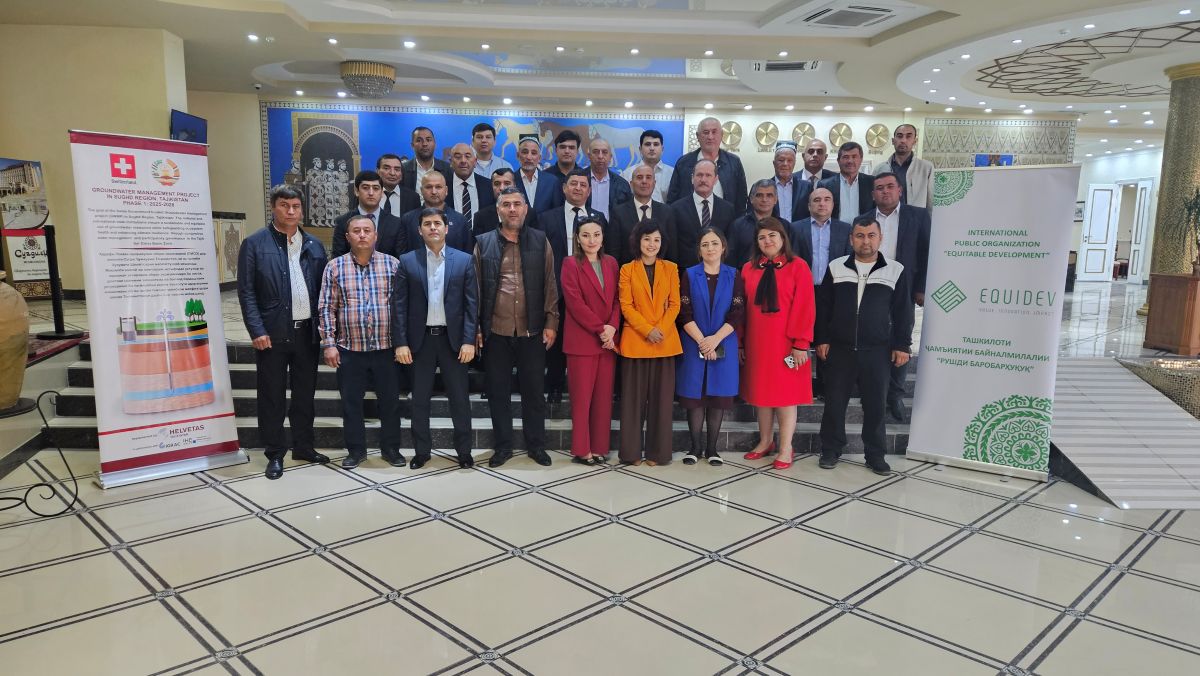
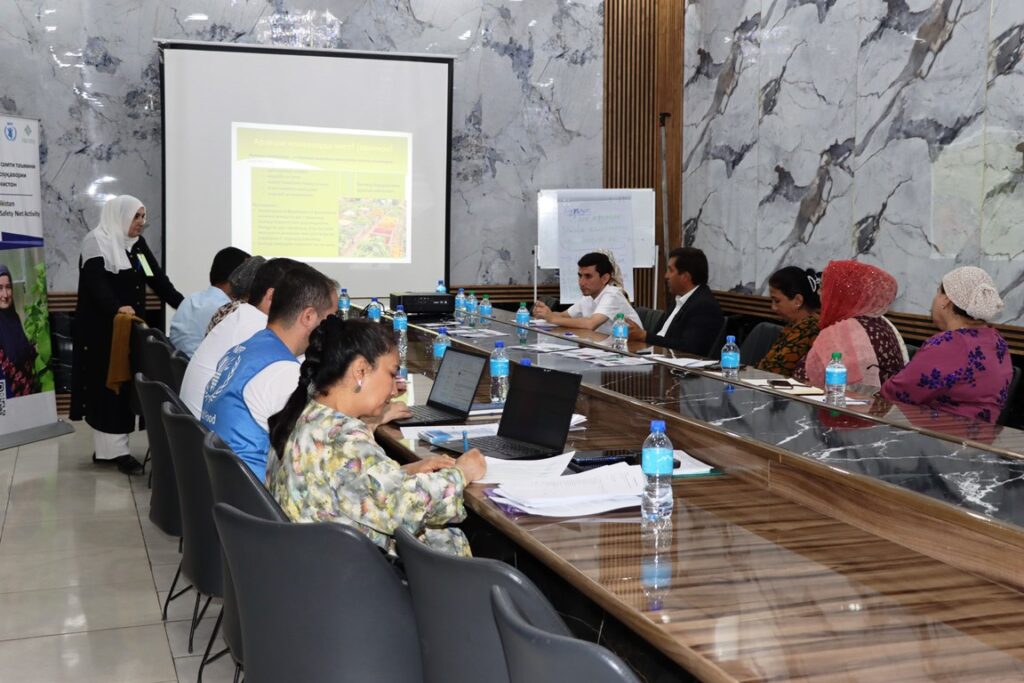
Local trainers from four selected districts gathered in Bokhtar on 13 May 2026 for a Training of Trainers (ToT) on Agro-product Management and Financing, focused on household-level product management, financial literacy, and budgeting for rural women.
The training brought together economists, agricultural specialists, and local trainers from Panj, Vose, Vakhsh, and Khuroson districts, who will now go on to train around 600 rural women in their communities.
The sessions focused on practical topics that directly affect everyday rural life: how families can better manage income from agricultural products, reduce losses, plan seasonal spending, and make more informed financial decisions connected to farming and food production.
Unlike formal lectures, much of the training was built around real experiences from villages and households. Participants discussed common challenges rural families face — from unstable seasonal income and underused land to limited knowledge about budgeting and the financial management of agricultural products.
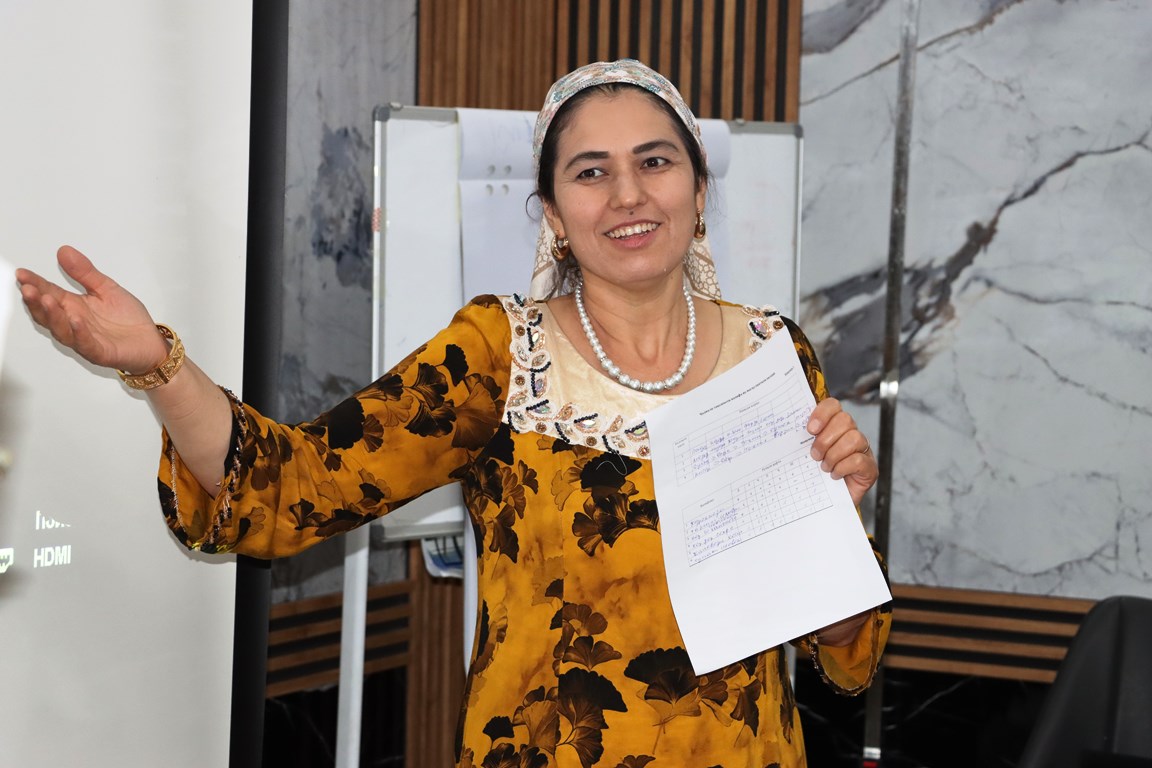
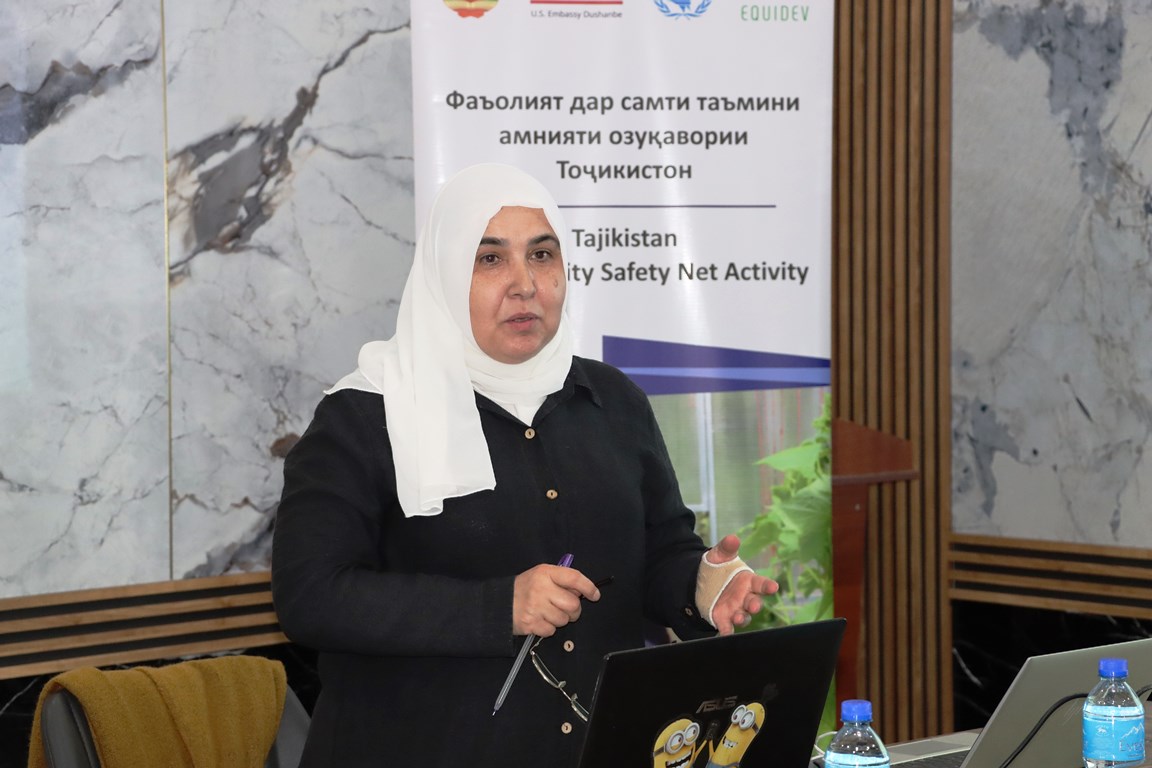
Mohitobon Andalebova, ToT trainer and professor of agricultural economy and marketing at the Agricultural University, emphasized that financial literacy can have a direct impact on family wellbeing.
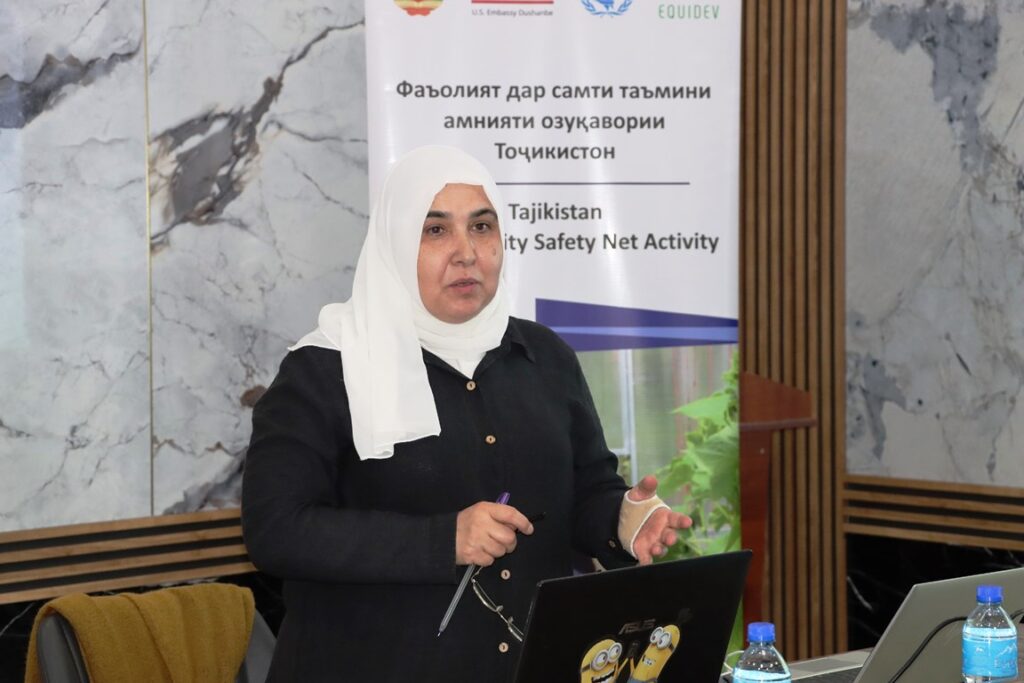
“Women can use this knowledge to make better informed decisions about spending and saving their agricultural income and improve the living standards of their families,” she said.
Participants also reflected on the practical importance of the sessions for their own districts.
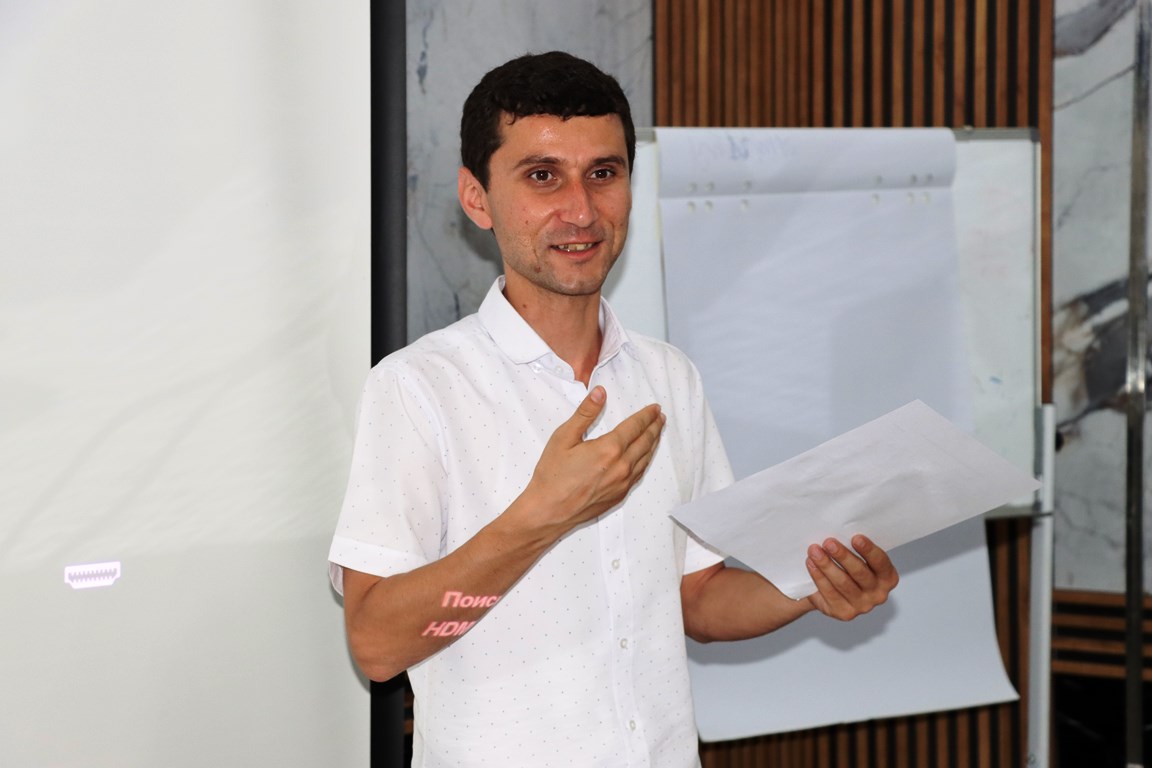
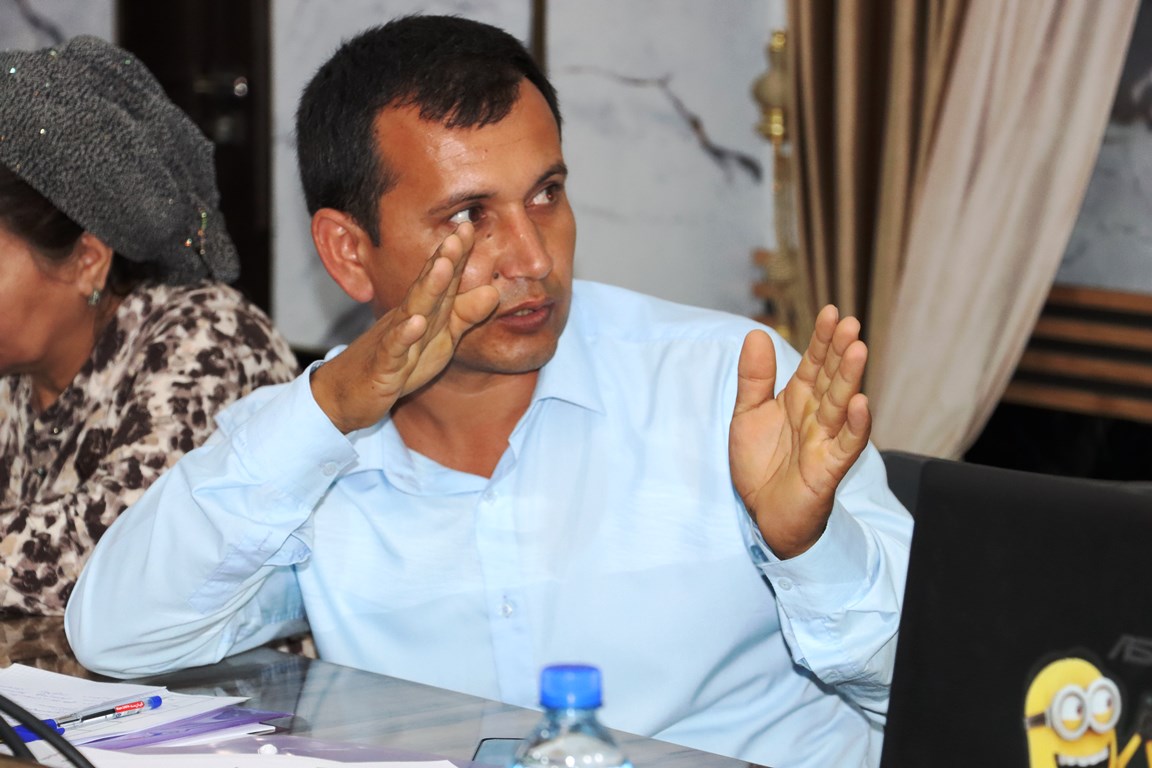
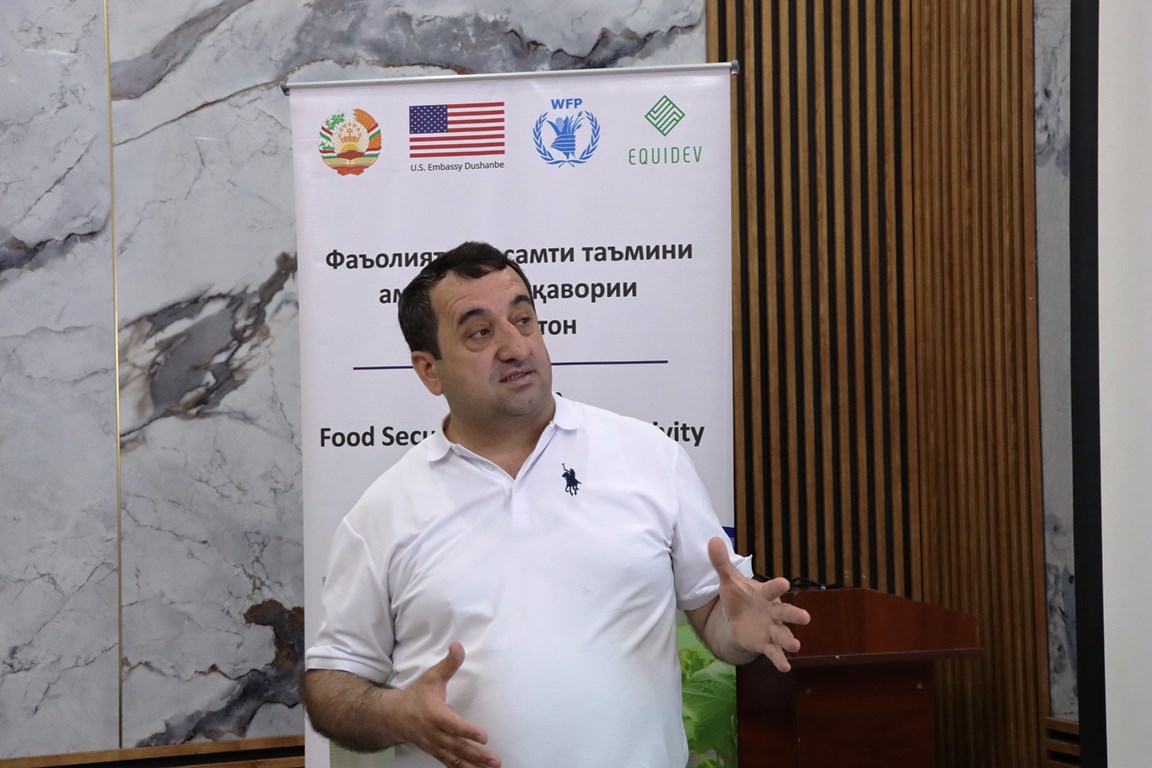
Bahrom Yousupov, an economist and trainer from Vose District, noted that one of the key challenges in rural areas is making full use of available opportunities and resources.
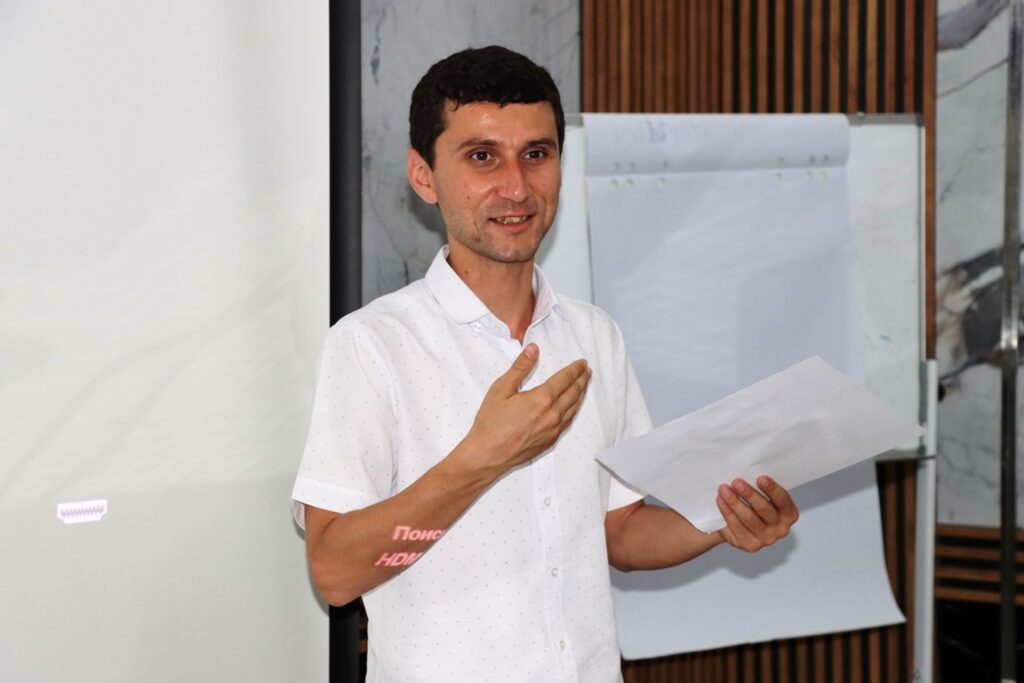
“One of the main challenges is the effective use of rural opportunities, land, and agricultural products. These new skills and knowledge will help improve this,” he explained.
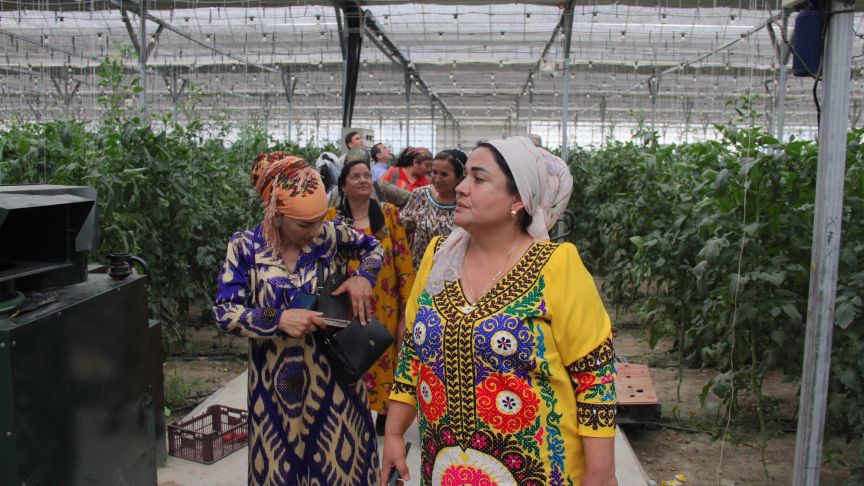
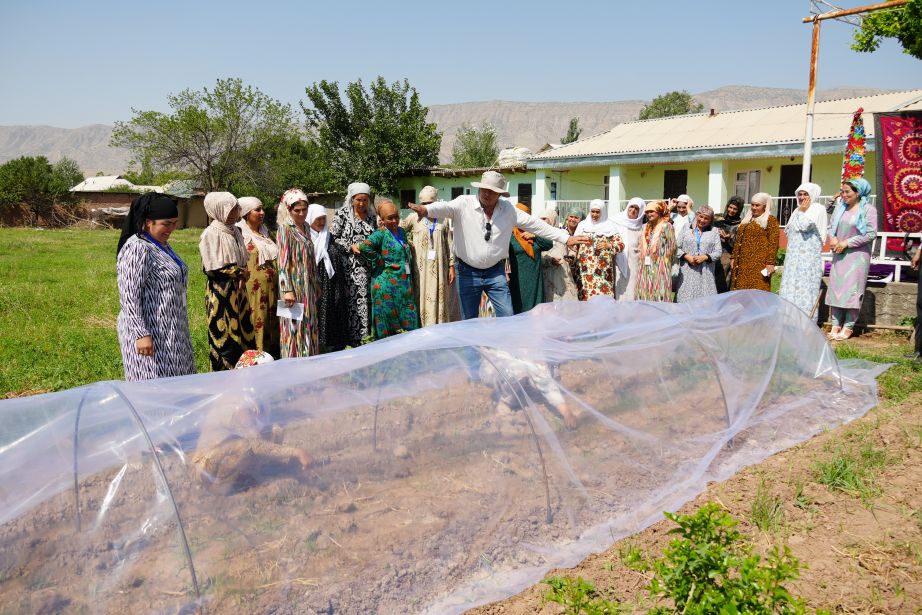
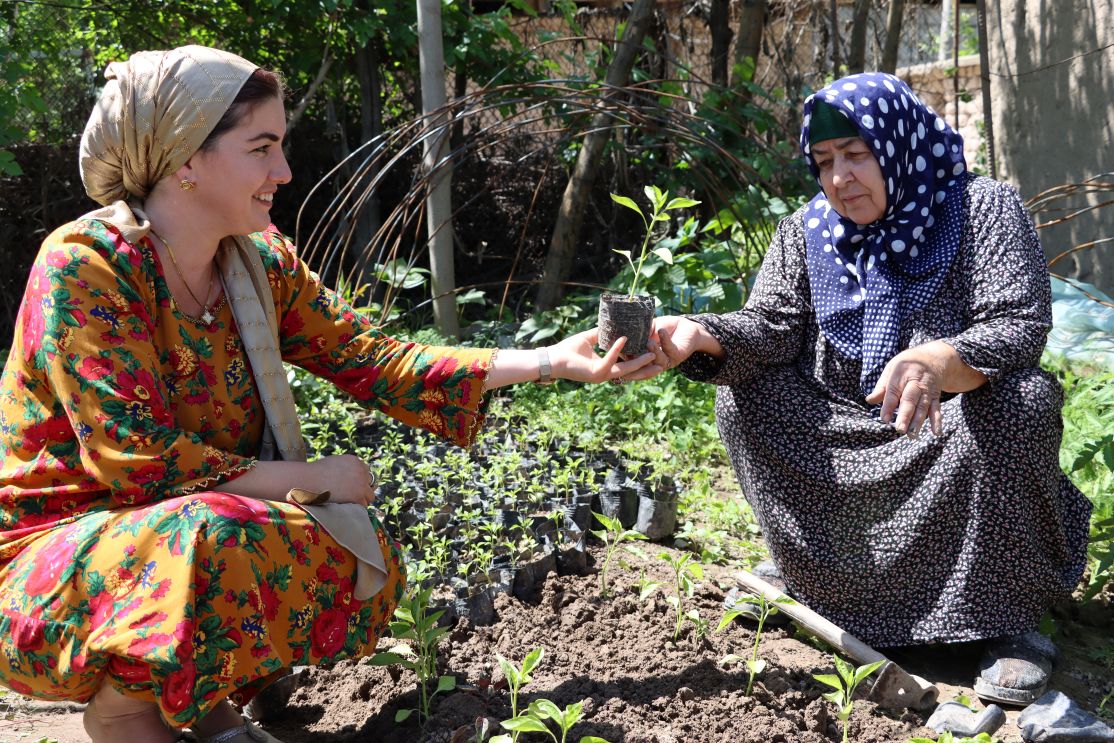
Over the past months, local trainers have already been trained and later delivered sessions to rural women on safer farming methods, compost preparation, seedling production, food preservation, canning, drying technologies, and food safety practices.
Organizers say the new financial literacy component is designed to complement those earlier trainings — helping women not only grow, preserve, and process food more safely, but also better manage the economic value of what they produce.
The trainers who participated in the Bokhtar ToT are expected to continue delivering trainings in Panj, Vose, Vakhsh, and Khuroson districts in the coming month, helping hundreds of rural women strengthen practical skills connected to household resilience, food security, and income generation.
The Training of Trainers programme was conducted under the Tajikistan Food Security Safety Net Activity implemented by the World Food Programme with funding from the United States Government. The initiative addresses immediate food needs while enhancing resilience in at-risk communities, and integrates unconditional food assistance, cash-for-assets projects, and ongoing food security and market monitoring to support households in establishing a more secure future.